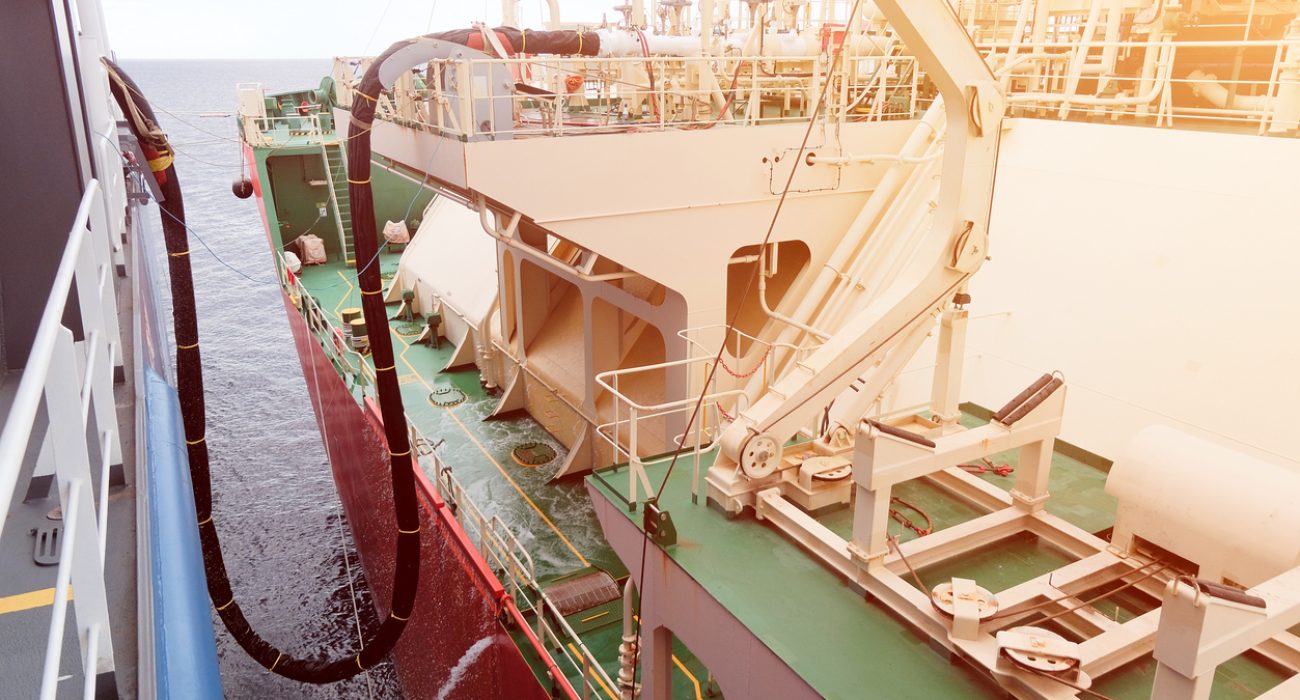
Marine fuel markets across Asia are facing sharp disruption as geopolitical tensions in the Middle East push bunker premiums to record levels and create new challenges for ships seeking fuel supplies.
The escalation of conflict involving Iran has tightened availability of marine fuel in key Asian bunkering hubs. As a result, shipowners and charterers are confronting rising costs and logistical difficulties when arranging fuel for commercial vessels.
Shipping Lines Face Record Bunker Premiums
Bunker fuel premiums in several Asian ports have climbed to unprecedented levels as traders react to uncertainty in global oil supply. Market participants say the spike reflects strong demand from ships operating on long haul trade routes combined with supply disruptions linked to Middle East tensions.
Bunker fuel represents one of the largest operating costs for vessels. Therefore even modest price increases can significantly affect shipping economics.
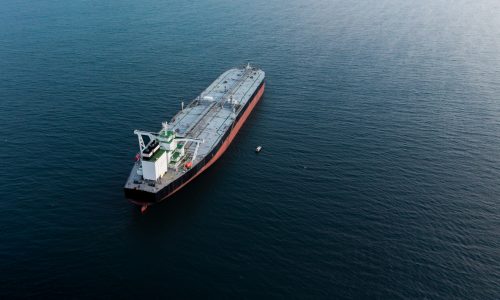
The current surge in premiums has pushed marine fuel costs higher for container ships, bulk carriers, and tankers operating across major Asian shipping corridors.
Some Ships Struggle to Secure Fuel
The tightening market has also created operational difficulties for some vessels attempting to refuel. Shipping sources say certain ports are experiencing limited bunker availability as suppliers manage constrained inventories.
Consequently ship operators must plan fuel purchases more carefully and may need to adjust voyage plans to secure adequate supplies.
In extreme cases vessels could face delays while waiting for bunker deliveries or divert to alternative ports with greater fuel availability.
Asia Remains Key Global Bunkering Region
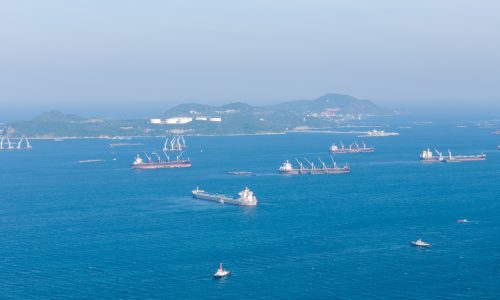
Asian ports play a critical role in the global marine fuel market. Major bunkering centers supply thousands of ships each year serving trade routes linking Asia, Europe, and the Americas.
Any disruption to fuel supply in the region therefore has ripple effects across international shipping networks.
Market analysts say rising geopolitical risk in the Middle East has increased volatility throughout the marine fuel supply chain.
Shipping Industry Monitors Fuel Market Volatility
Shipowners, charterers, and fuel suppliers are closely tracking developments in both energy markets and maritime security conditions.
The ability of vessels to obtain reliable bunker supplies remains essential for maintaining global shipping schedules and supporting international trade.
Industry observers say continued instability in the Middle East could keep bunker premiums elevated while marine fuel markets adjust to shifting supply patterns.