Maersk suspends operations at Salalah port after security incident in Oman
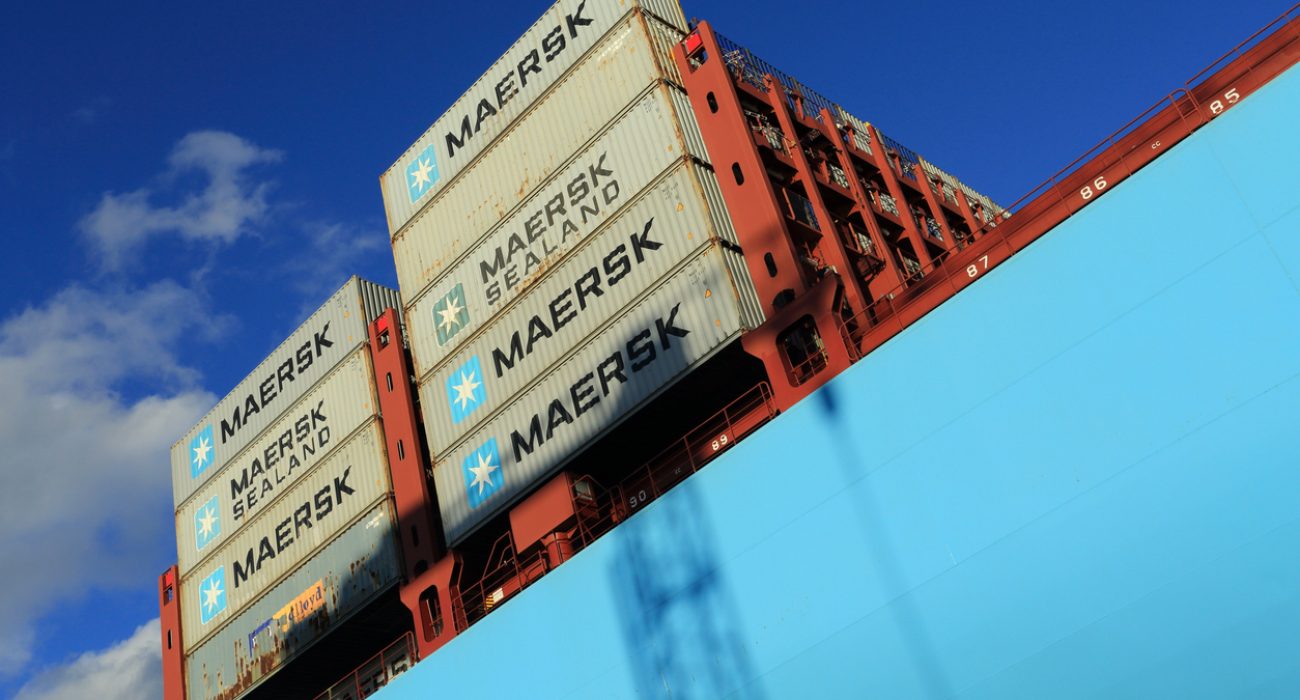
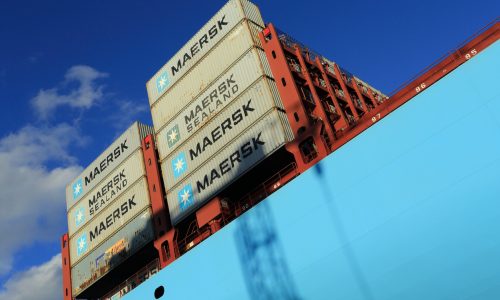
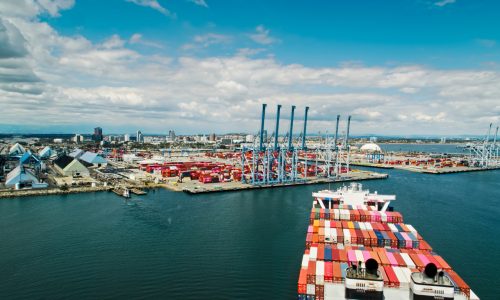
Maersk container vessel Majestic Maersk at sea. The company has suspended operations at Oman’s Salalah port following a security incident. File photo. Source iStock.
Maersk has temporarily stopped operations at Port of Salalah following a security incident in Oman, adding fresh disruption to key Middle East shipping routes.
The company confirmed that it halted port calls to assess the situation and ensure the safety of vessels, cargo, and crew. The move reflects growing concern among container shipping lines as regional risks continue to affect maritime operations.
Security concerns disrupt container shipping
The Port of Salalah is a major transshipment hub on east west trade lanes. It plays a critical role in connecting Asia, the Middle East, and Europe. As a result, any disruption at the port has immediate implications for global shipping networks.
Maersk said it is closely monitoring developments and will adjust operations based on security conditions. The company has not provided a timeline for resuming normal activity.
Impact on supply chains and vessel schedules
The suspension is expected to affect vessel schedules and cargo flows across the region. Shipping lines rely on Salalah for efficient cargo transfer and network connectivity.
Delays and rerouting could increase transit times and operational costs. In addition, supply chains may face further strain as carriers adjust to ongoing instability in Middle East maritime routes.
Wider pressure on Middle East shipping routes
The incident highlights rising risks for shipping companies operating in the region. Tensions have already disrupted key routes, including the Red Sea and nearby transit corridors.
As a result, carriers are taking precautionary measures to protect assets and maintain service reliability. These actions include route changes, port omissions, and temporary suspensions.
Industry monitors next steps
For the maritime sector, the situation remains fluid. Operators are waiting for clearer guidance on security conditions before restoring full operations at Salalah.
The disruption underlines the importance of stability in strategic ports. Any prolonged interruption could have wider effects on global trade flows and container shipping performance.