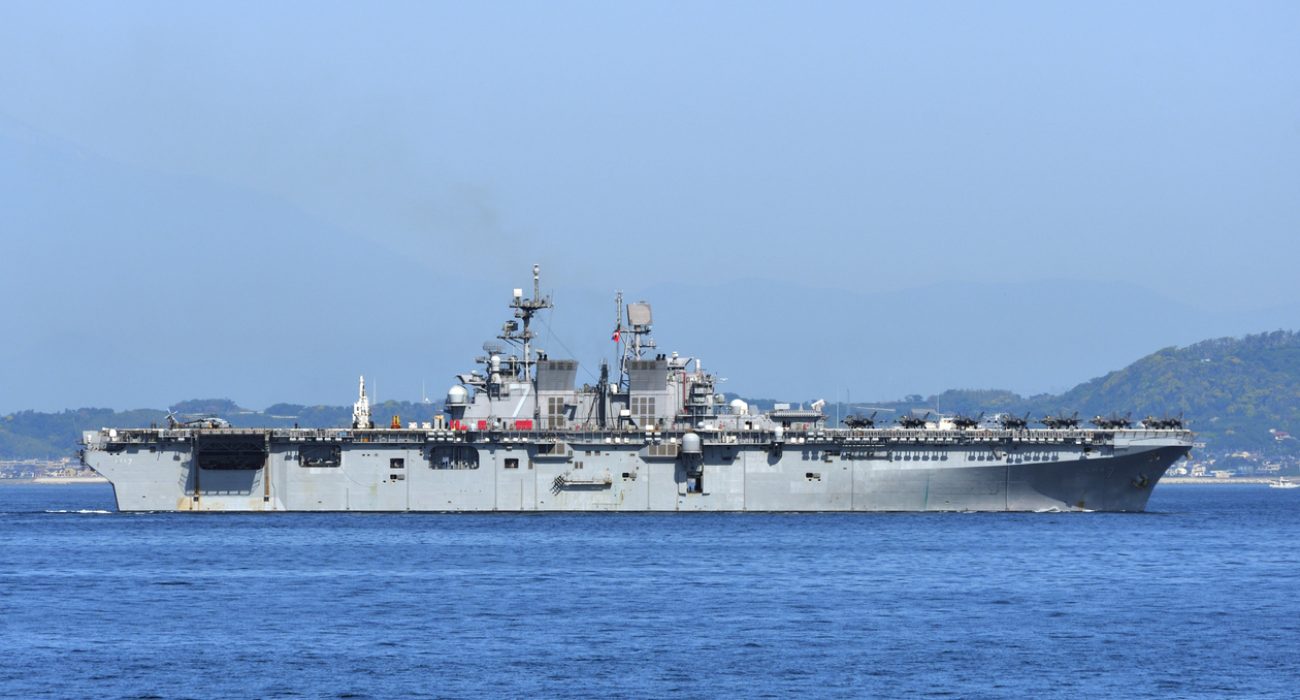
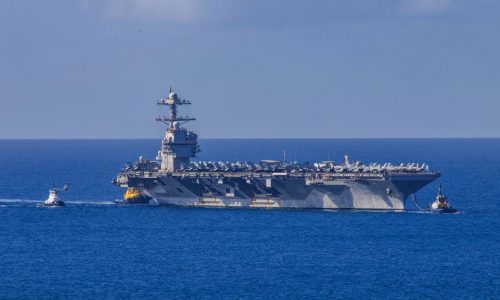
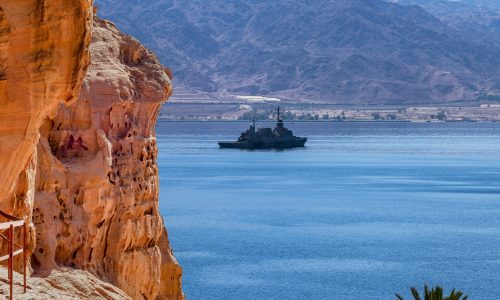
The USS Tripoli has entered the U.S. Central Command area, expanding naval and expeditionary forces across key Middle East maritime routes. The deployment brings thousands of U.S. sailors and Marines into a region facing sustained pressure from conflict and disrupted shipping lanes.
The vessel serves as the lead platform for an amphibious ready group linked to the 31st Marine Expeditionary Unit. Together, the force includes about 3,500 personnel along with aircraft and tactical systems designed for rapid deployment and coastal operations.
Strategic positioning near critical shipping routes
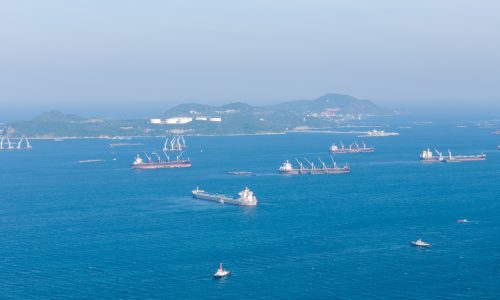
The arrival places additional U.S. naval capability close to vital maritime corridors that support global oil and container trade. These routes have faced increasing instability as regional tensions escalate.
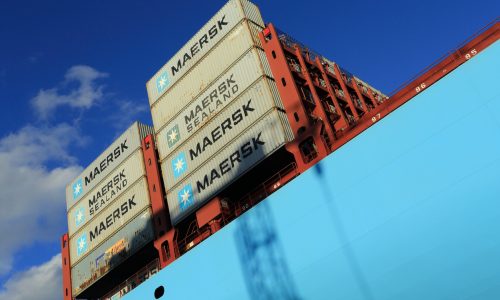
For the shipping industry, the expanded military presence signals both protection and risk. Ongoing conflict continues to disrupt maritime traffic, while naval deployments aim to secure navigation and stabilize trade flows.
Amphibious capability adds operational flexibility
The Tripoli provides flexible response options across coastal and near shore environments. It can deploy helicopters, fighter aircraft, and marine units to support a wide range of missions.
Its air wing includes advanced aircraft used for transport, surveillance, and strike operations. This capability allows the vessel to respond quickly to threats near ports, chokepoints, and offshore infrastructure.
Regional conflict shapes maritime risk environment
Tensions across the Middle East continue to affect maritime operations. Missile and drone threats, along with broader instability, have increased pressure on shipping activity.
For vessel operators, these risks translate into higher insurance costs, route adjustments, and ongoing uncertainty. The presence of additional naval forces reflects efforts to manage these challenges.
Shipping industry monitors security implications
The maritime sector is closely tracking developments linked to the Tripoli deployment. Changes in security conditions can quickly affect vessel routing, port access, and cargo flows.
As the situation evolves, naval movements remain a key indicator of risk across global shipping networks. The arrival of the Tripoli highlights the growing link between military operations and commercial maritime activity.