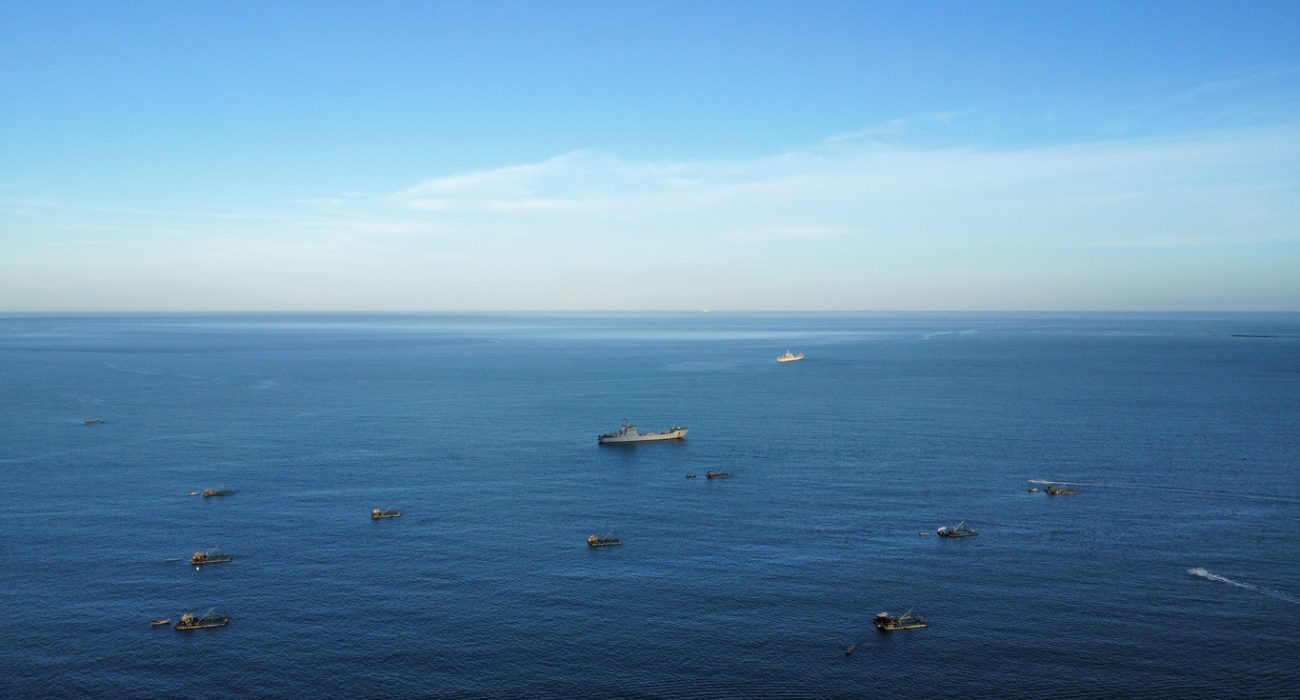
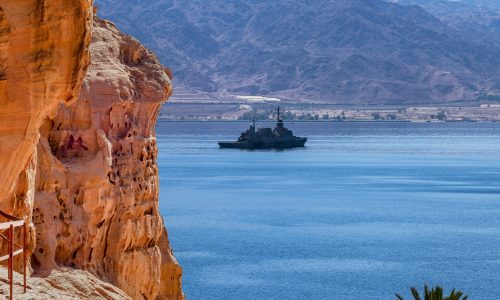
The United Arab Emirates has indicated it is prepared to join an international effort to reopen the Strait of Hormuz, as disruption to one of the world’s most critical shipping corridors continues to affect global trade.
Officials said the country is willing to take part in a coordinated maritime initiative aimed at restoring safe passage for commercial vessels. The move reflects growing urgency among regional and global stakeholders to stabilize shipping routes that carry a large share of oil and container traffic.
Key maritime chokepoint remains under pressure
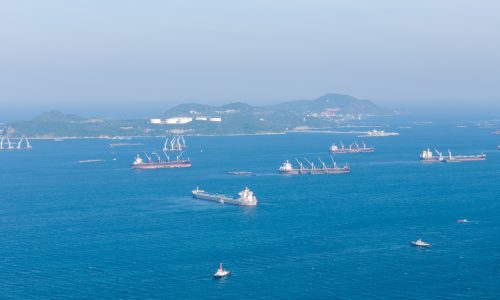
The Strait of Hormuz plays a central role in global energy supply and maritime trade. A significant portion of seaborne crude oil and liquefied natural gas transits the narrow waterway each day. Container shipping services also depend on the route for regional connectivity.
However, recent tensions have disrupted normal vessel movements and increased risk for operators. As a result, shipping companies face higher costs, delays, and uncertainty.
International coordination gains momentum
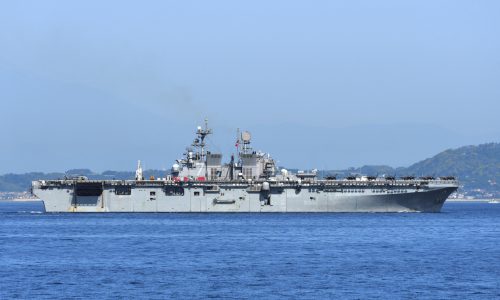
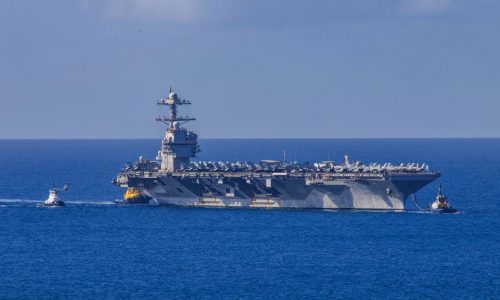
The UAE’s position signals potential momentum toward a multinational response. Any coordinated effort would likely focus on securing transit lanes, protecting vessels, and ensuring freedom of navigation.
For the maritime industry, such a mission could help restore confidence and reduce operational risk. However, the scope and timing of any deployment remain unclear.
Shipping industry seeks stability
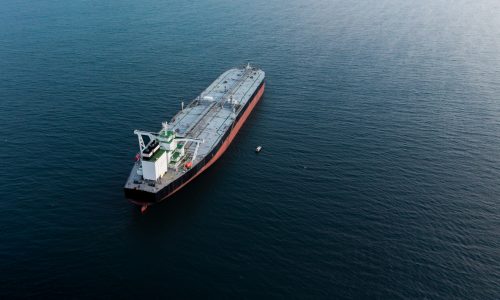
Operators across tanker and container markets are closely monitoring developments. The continued disruption has already led to rerouting decisions and increased insurance costs.
Restoring access to the Strait of Hormuz is critical for maintaining stable trade flows. Without reliable transit, supply chains face ongoing pressure.
Strategic importance for global shipping
The situation highlights the vulnerability of key maritime chokepoints. Any sustained disruption can quickly affect freight markets, energy prices, and vessel deployment strategies.
The UAE’s willingness to participate in a reopening effort underscores the importance of collective action. For global shipping, the outcome will shape risk conditions across one of the most important trade corridors in the world.