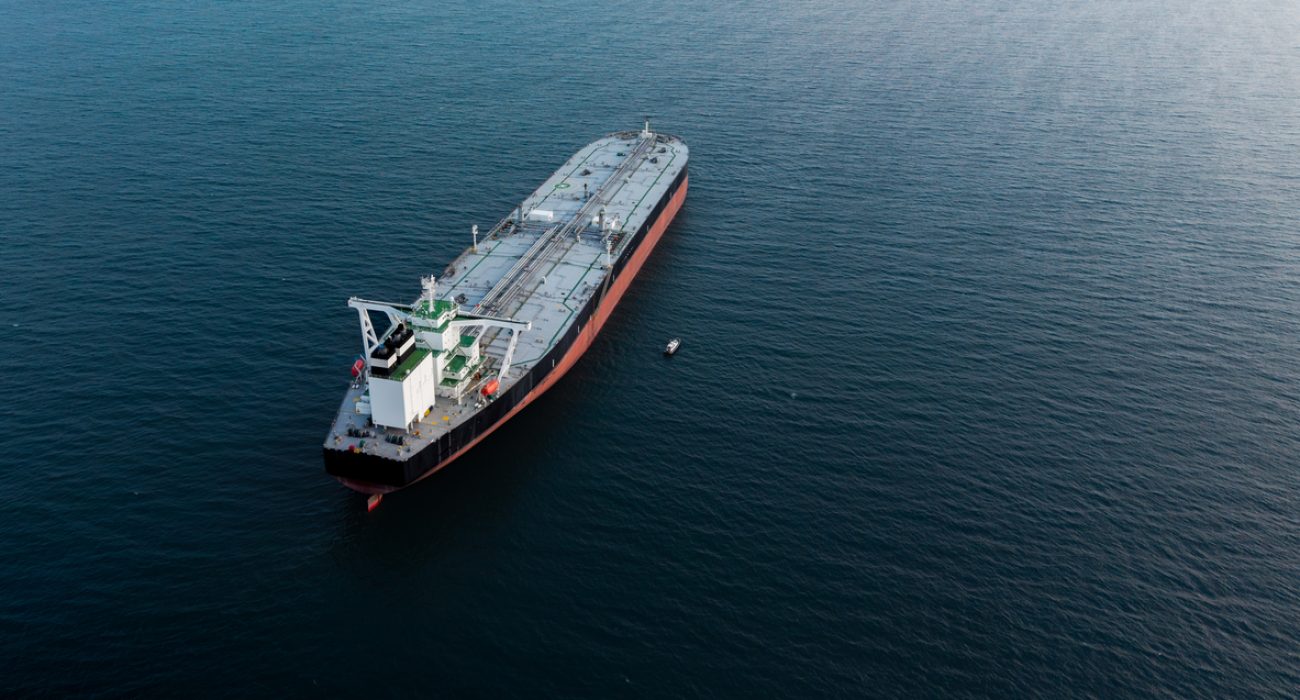
The United States is preparing to allow a Russian oil tanker to dock in Havana, a move aimed at easing fuel shortages and stabilizing energy supply on the island.
Officials indicated that the decision reflects a pragmatic approach to managing supply constraints as Cuba continues to face energy challenges. The tanker is expected to deliver crude or refined products to support domestic demand.
The planned entry of a Russian flagged tanker marks a notable shift in enforcement dynamics. While sanctions continue to shape global shipping flows, authorities appear willing to allow targeted exemptions under specific conditions.
For the maritime sector, the move signals that geopolitical policy can adjust quickly when supply pressures intensify. Operators and charterers must navigate a complex regulatory environment that can change with limited notice.
Tanker markets respond to regional supply needs
Cuba relies heavily on imported fuel to sustain power generation and economic activity. Any disruption to tanker deliveries can quickly translate into shortages and operational challenges.
Allowing the vessel to proceed provides short term relief and ensures continuity in supply chains. It also underscores the importance of tanker availability in maintaining energy stability across smaller import dependent markets.
Broader implications for global shipping routes
The decision highlights how political considerations can influence vessel movements and port access. Tanker routing, flag state exposure, and compliance requirements all play a role in determining whether shipments proceed.
Shipping companies are closely monitoring such developments as they assess risk and opportunity in sanctioned trade environments.
Maritime industry watches regulatory signals
For shipowners and energy traders, the case reflects the ongoing balance between sanctions enforcement and practical supply needs. Regulatory flexibility can open limited pathways for cargo movement even in constrained markets.
The situation in Cuba illustrates how maritime logistics, energy security, and geopolitical policy remain closely linked. Any adjustment in access conditions can have immediate effects on tanker operations and regional trade flows.