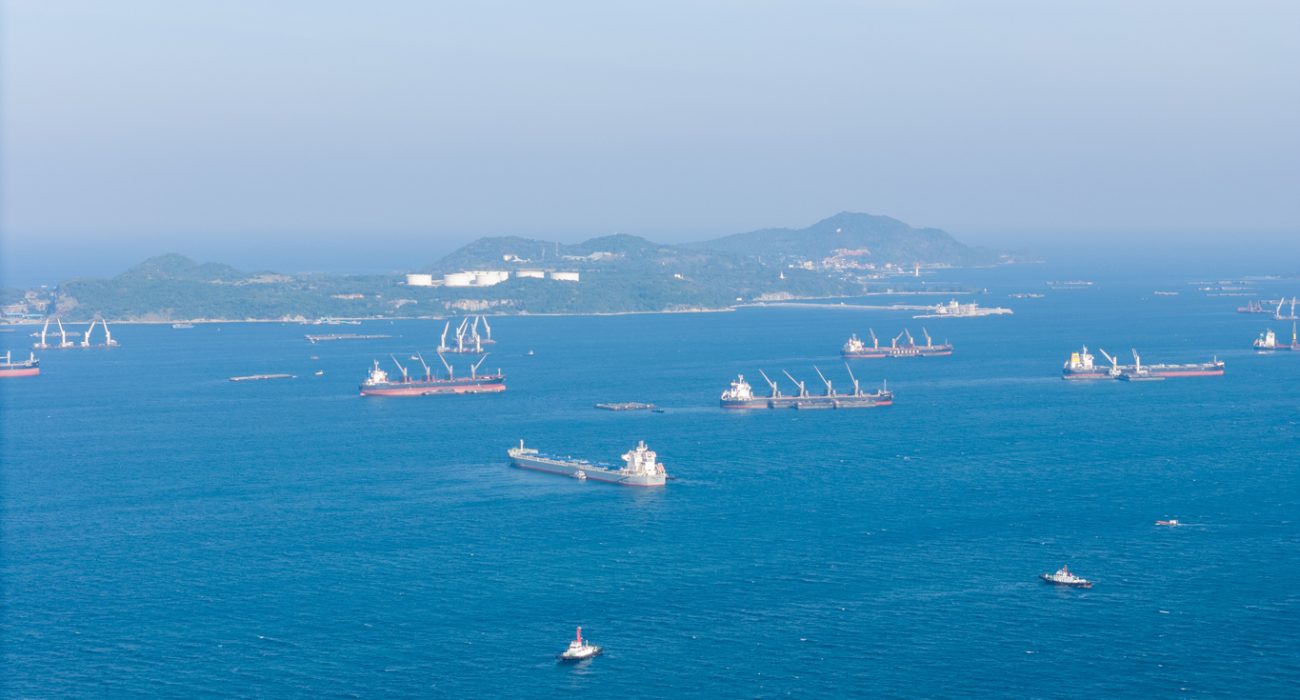
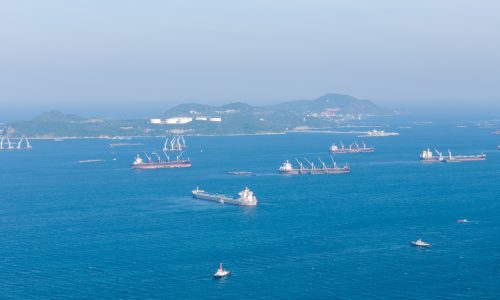
Several Chinese operated vessels have delayed plans to leave the Strait of Hormuz, even after Iran stated that safe passage would be guaranteed. The decision highlights growing caution among shipping operators as security concerns continue to shape vessel movements in the region.
Industry sources said shipowners and charterers are taking a more conservative approach to transit decisions. While Iran has sought to reassure commercial shipping, operators remain wary of the broader risk environment.
Shipping confidence weakens in key maritime chokepoint
The Strait of Hormuz is one of the most important routes for global maritime trade. It carries a significant share of oil, gas, and container traffic each day. However, recent tensions have reduced confidence in safe and predictable transit.
As a result, some Chinese vessels have opted to wait rather than proceed through the passage. This reflects a wider shift in risk management across the shipping industry.
Iran offers reassurances but uncertainty persists
Iran has publicly stated that commercial vessels can pass through the strait without disruption. The government aims to maintain the flow of trade and avoid further escalation in maritime tensions.
However, shipping companies are weighing these assurances against operational realities. Security risks, insurance costs, and unclear conditions continue to influence decision making.
Impact on tanker and container shipping flows
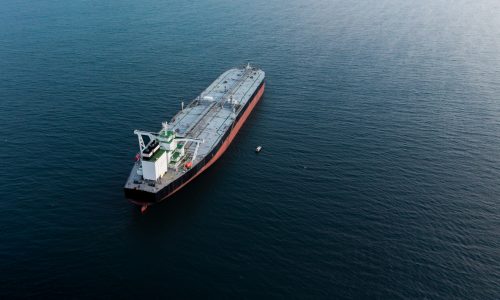
Delays in vessel movements could affect both tanker and container shipping markets. Slower transit times may tighten vessel availability and increase freight costs.
In addition, energy markets could face indirect pressure if tanker movements remain constrained. The Strait of Hormuz plays a central role in global oil supply chains.
Operators adopt cautious strategy
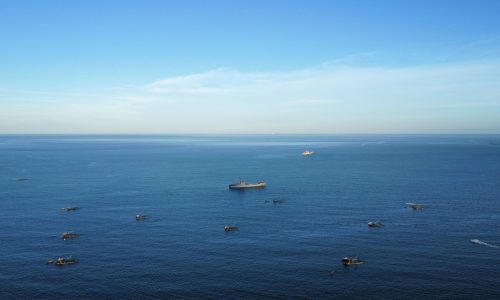
For now, shipping companies are prioritizing safety and flexibility. Some vessels are holding position while operators monitor developments in the region.
The situation underlines the importance of stability in critical maritime corridors. Until confidence improves, cautious routing decisions are likely to remain a key feature of shipping operations in the Middle East.