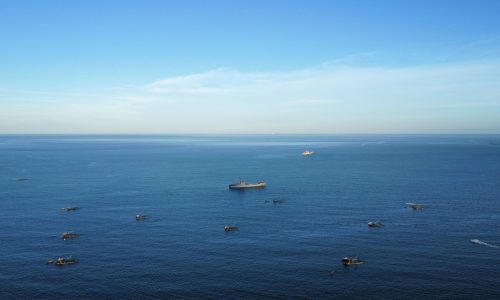
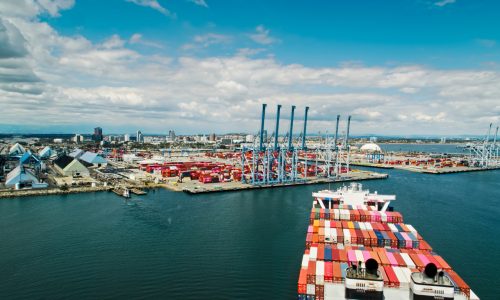
Asian energy markets moved into crisis mode after Qatar halted liquefied natural gas production, tightening global LNG supply and disrupting established trade flows. The suspension follows escalating conflict in the Middle East that has constrained maritime movement through the Strait of Hormuz, a critical corridor for LNG shipping.
Qatar ranks among the world’s largest LNG exporters. Any interruption to its output immediately affects Asian buyers that depend on long term supply contracts and steady vessel traffic.
India Cuts Industrial Gas Supply
India has begun rationing natural gas to manage reduced LNG arrivals. Petronet LNG, the country’s largest importer, notified key state energy companies including GAIL and Indian Oil Corporation that contracted volumes would decline. Authorities have reduced supply to some industrial consumers by roughly 10 to 30 percent to protect priority demand and maintain system stability.
The move highlights the exposure of South Asian markets to concentrated LNG supply chains. India sources a significant share of its LNG imports from Qatar under long term agreements.
Spot Market Tightens Across Asia
Buyers in Japan, Taiwan, Bangladesh and Pakistan have entered the spot market to secure replacement cargoes. Tender activity has accelerated as utilities seek near term deliveries. This surge in procurement has lifted spot LNG prices and intensified competition for available cargoes.
Limited spare production capacity elsewhere has compounded the squeeze. Traders report that prompt cargo availability remains thin, increasing the risk of further price volatility.
LNG Shipping and Freight Implications
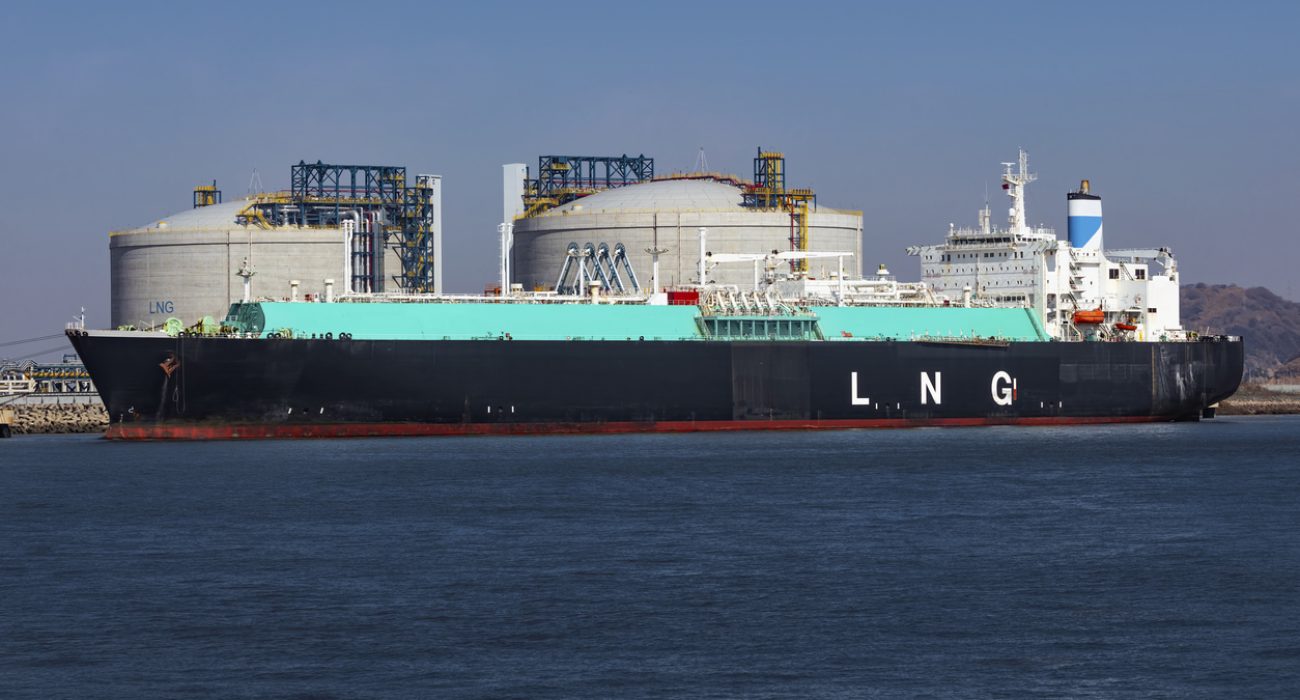
The production halt also carries direct implications for LNG shipping markets. Fewer Qatari loadings reduce scheduled sailings from Ras Laffan while replacement cargoes from alternative suppliers may extend voyage distances. That shift can tighten LNG carrier availability and influence charter rates.
Maritime risk in the Gulf region remains elevated. Disruption to the Strait of Hormuz adds operational complexity and heightens insurance considerations for LNG vessel operators.
The current disruption underscores the strategic importance of Qatar in global LNG trade and the vulnerability of Asian importers to geopolitical shocks. Market participants now monitor both regional security developments and shipping patterns as they assess the duration and scale of the supply interruption.