Belgium is preparing new legislation that would allow authorities to detain and inspect suspected shadow fleet tankers transiting its waters, signaling a tougher European response to opaque oil shipping practices linked to sanctions evasion.
Belgium targets shadow fleet tanker activity
The planned legal framework would give Belgian officials clearer authority to intervene when tankers suspected of operating in the shadow fleet pass through national jurisdiction. The initiative focuses on vessels that obscure ownership structures, disable tracking systems, or engage in high risk ship to ship transfers.
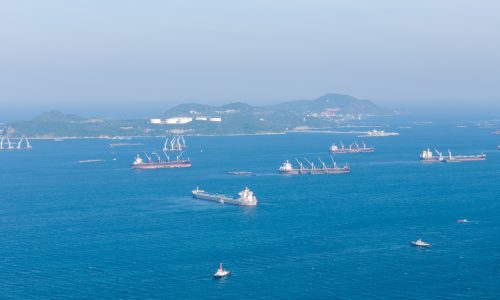
Belgian policymakers view the measure as part of a broader effort to protect maritime safety and enforce international sanctions. Authorities argue that shadow fleet operations increase environmental and navigational risk, especially in busy North Sea shipping lanes that serve major European ports.
The proposal remains in development, but officials have indicated that the goal is to close legal gaps that currently limit enforcement options. By strengthening inspection and detention powers, Belgium aims to deter unsafe practices and improve transparency in tanker operations.
Safety and sanctions enforcement
Shadow fleet tankers have drawn increasing scrutiny from European regulators because of concerns over aging vessels, unclear insurance coverage, and compliance failures. Belgian authorities warn that an incident involving a poorly maintained tanker could disrupt regional shipping and cause serious environmental damage.
The draft legislation is expected to align with wider European Union efforts to tighten oversight of sanctioned oil transport. Enhanced enforcement tools would allow Belgian agencies to act more decisively when ships present safety or legal concerns.
Implications for European shipping
For commercial shipping operators, the move highlights growing regulatory pressure on tanker transparency and compliance. Ports and coastal states around Europe are examining similar measures as they respond to geopolitical tensions and evolving sanctions regimes.
Industry observers note that clearer enforcement rules could improve safety standards in congested waterways. At the same time, shipping companies will need to monitor regulatory developments closely as governments expand their authority over high risk tanker traffic.