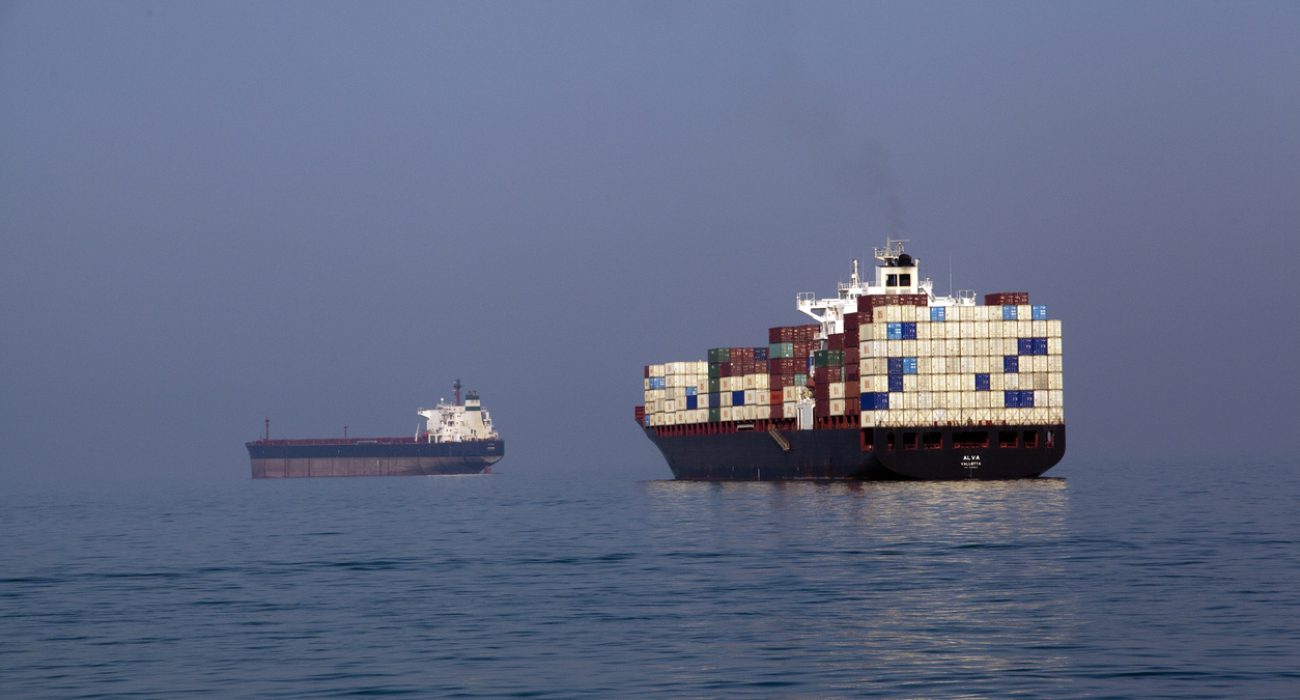
A second bulk carrier has passed through the Strait of Hormuz while broadcasting a message claiming Chinese ownership. The signal highlights how merchant vessels are adapting to rising security risks in one of the world’s most important maritime chokepoints.
Ship tracking data shows the Liberia flagged bulk carrier Sino Ocean transmitted the AIS destination message “CHINA OWNER_ALL CREW” during its transit through the strategic waterway at the entrance to the Persian Gulf. The vessel exited the strait on Saturday after loading cargo at the United Arab Emirates port of Mina Saqr on March 5.
Shipping activity in the Strait of Hormuz has slowed as military tensions rise across the Middle East. Strikes and retaliatory actions involving the United States, Israel, and Iran have disrupted normal vessel traffic through the corridor.
Ships Use AIS Messaging to Signal Neutral Status
The Sino Ocean is the second commercial vessel in recent days to highlight Chinese links through AIS messaging. Ship operators appear to use these signals to reduce the risk of attack while transiting the sensitive waterway.
On Thursday, the bulk carrier Iron Maiden changed its AIS destination message to “CHINA OWNER” while transiting the Strait of Hormuz close to the Omani coastline. Tracking data indicates the vessel was leaving the Persian Gulf at the time.
Another ship used a similar approach. The liquefied petroleum gas tanker Bogazici broadcast that it was Muslim owned and operated by Turkish interests while passing through the area. The message appeared designed to signal neutrality to potential hostile actors.
These AIS signals illustrate the unusual precautions shipping companies are taking as the security environment in the Gulf deteriorates.
Shipping Traffic Through the Strait of Hormuz Declines
The Strait of Hormuz remains one of the world’s most critical maritime trade routes. The narrow passage serves as the primary export corridor for crude oil and natural gas shipments from the Middle East.
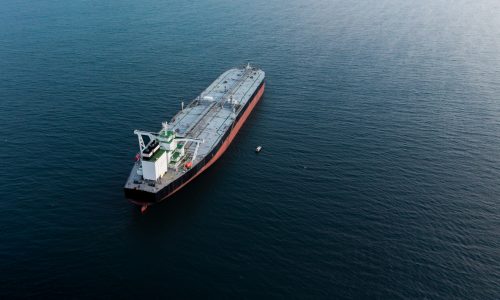
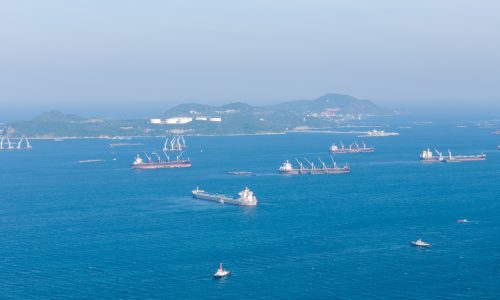
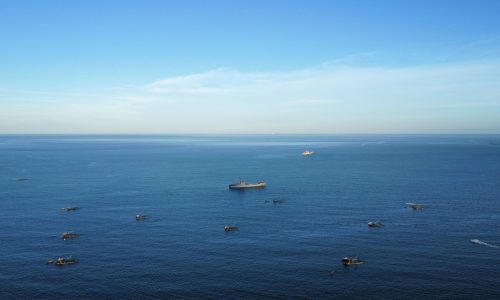
However, the current conflict has reduced vessel movements through the chokepoint. Many bulk carriers and oil tankers are now waiting inside the Persian Gulf rather than risk a transit through the strait.
The disruption is slowing the movement of commodities that include agricultural cargoes and refined fuels bound for markets in Asia and Europe.
Limited Public Information on Ownership
Shipping database Equasis lists Sino Ocean as owned by Aquila Shipping Co. The vessel is managed by Sinocean Shipping HK Ltd., with both companies based in China.
Public information about the firms remains limited. Neither company appears to maintain a significant online presence.
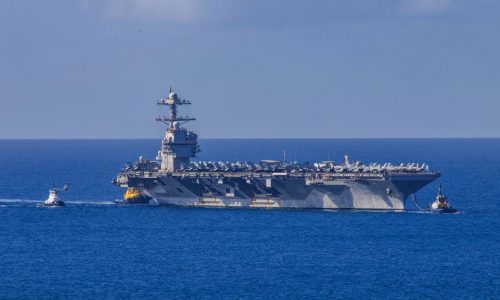
Meanwhile, policymakers in Washington are considering steps to restore confidence in the shipping corridor. The United States recently announced a $20 billion maritime reinsurance program designed to support commercial shipping in the Strait of Hormuz. Officials are also discussing the possibility of naval escorts for merchant vessels, although operational plans have not yet been confirmed.