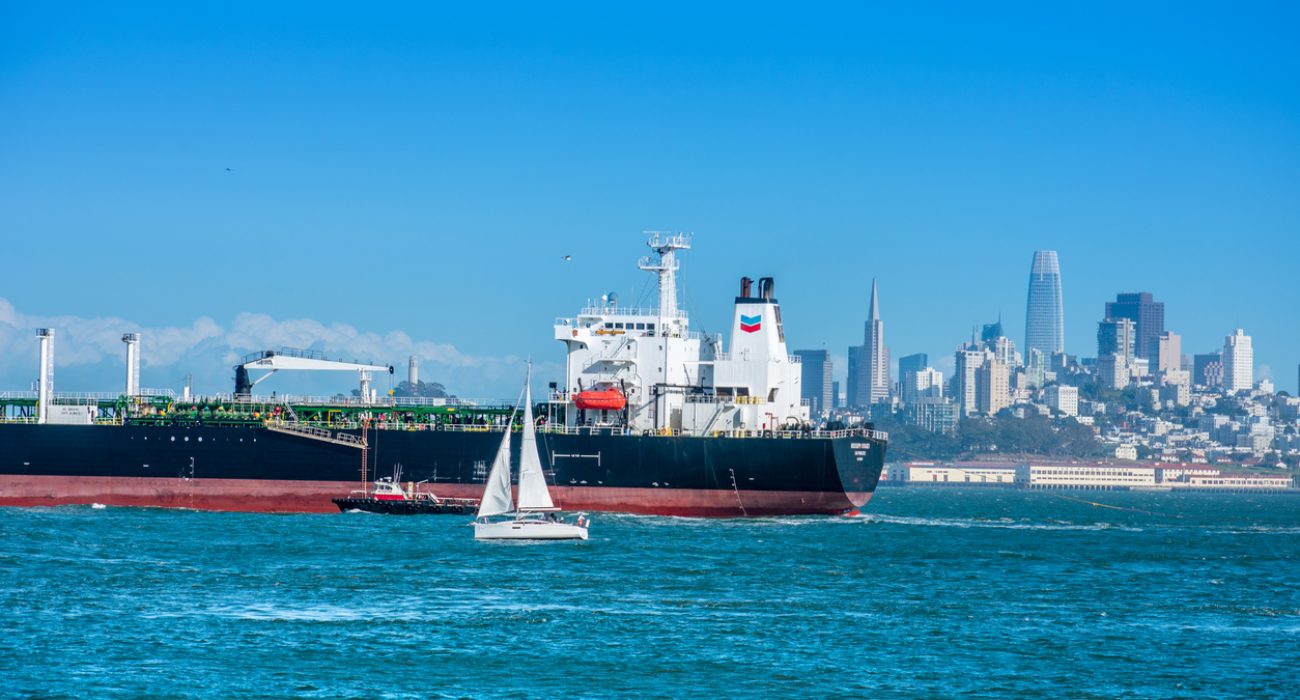
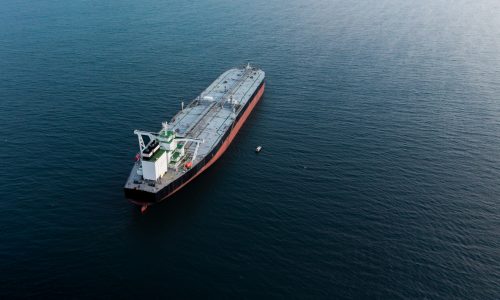
Fuel traders are reshaping tanker movements to supply California after local refining capacity tightened and coastal logistics options narrowed. Increasing volumes of gasoline are now moving through storage terminals in the Bahamas before sailing to the US West Coast, creating an unusual but growing maritime trade pattern.
Refinery capacity decline forces imports
Recent closures and planned shutdowns at facilities operated by Phillips 66 and Valero Energy have reduced regional output. With limited pipeline connections between the Gulf Coast and the Pacific Coast, distributors must rely on ocean transport to balance inventories.
As a result, gasoline imports have risen to their highest levels in several years. Cargo planners now prioritize tanker deliveries to maintain storage levels and avoid market shortages.
Bahamas routing avoids domestic shipping limits
A major driver of the new route is the Jones Act, which requires cargo shipped between US ports to travel on American built and crewed vessels. The available fleet is small and expensive compared with the global tanker market.
Traders therefore ship fuel from Gulf Coast refineries to Bahamian storage first. From there, foreign flagged tankers carry cargo onward to California. Although the route is longer, freight economics often remain favorable compared with chartering compliant tonnage.
Longer voyages reshape tanker economics
Voyages to the West Coast frequently include transit through the Panama Canal, adding time and cost. However, the detour still competes with domestic shipping constraints. Market participants report that the Bahamas link has become a routine supply bridge rather than a temporary workaround.
At the same time, exporters in India and South Korea have increased deliveries because their refineries produce blends compatible with California fuel specifications.
Maritime implications
For tanker operators, the shift increases long haul demand and storage terminal utilization. For traders, it highlights how regulatory structure and refinery geography now shape Pacific fuel flows as much as refinery output itself.
The result is a supply chain where international shipping capacity effectively replaces domestic coastal transport, reinforcing the central role of ocean logistics in balancing US regional fuel markets.