Central European energy systems are better positioned to withstand supply disruptions linked to the war involving Iran, according to a new analysis from S&P Global Ratings. The report indicates that infrastructure upgrades and diversified import routes have improved the region’s ability to manage shocks affecting global energy shipping.
The conflict has raised concerns across maritime energy markets because Middle East sea lanes handle a large share of the world’s oil and gas shipments. However analysts say Central Europe has reduced its exposure to supply interruptions tied to these routes.
Diversified Energy Imports Reduce Risk
According to S&P Global Ratings, Central European countries have significantly broadened their energy supply networks in recent years. Governments expanded storage capacity, strengthened pipeline connections, and improved access to liquefied natural gas import infrastructure.
These measures allow the region to draw supplies from multiple sources rather than relying heavily on Middle East energy exports.
As a result Central Europe can better absorb disruptions that could occur if shipping flows through the Persian Gulf decline due to geopolitical tensions.
Maritime Energy Routes Remain Critical
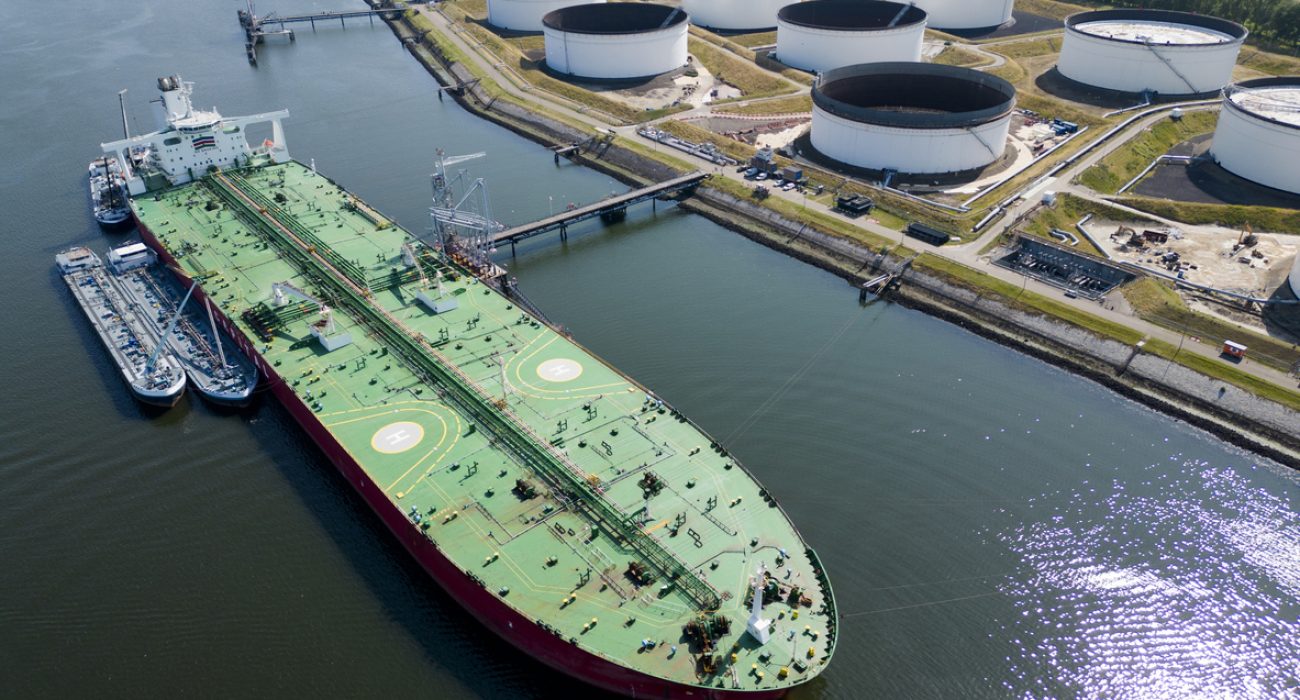
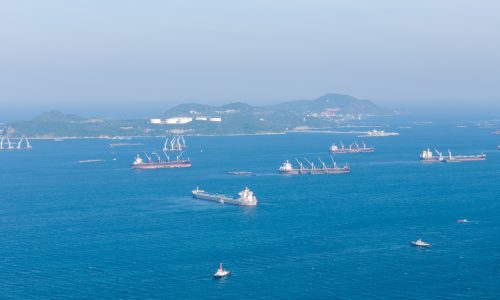
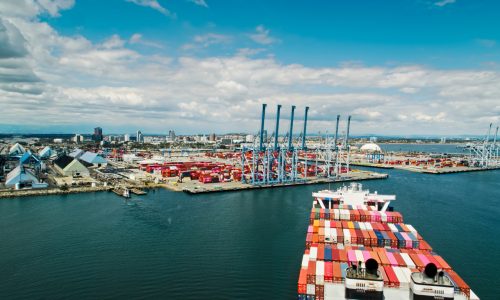
Despite the region’s stronger supply flexibility, maritime energy transport continues to play a central role in global markets. Oil tankers and liquefied natural gas carriers move large volumes of fuel through international shipping corridors each day.
Sea lanes linked to the Persian Gulf remain among the most important routes for global crude exports.
Any disruption to these maritime passages can quickly affect tanker markets, energy prices, and shipping demand worldwide.
Infrastructure Investments Support Stability
Central European countries have invested heavily in energy infrastructure since recent supply shocks exposed vulnerabilities in regional systems.
New interconnectors, expanded gas storage, and improved access to liquefied natural gas terminals now allow energy traders to shift supplies more easily between markets.
These developments strengthen the resilience of Central European energy networks during periods of geopolitical uncertainty.
Shipping Industry Monitors Energy Trade Flows
Shipping companies and energy traders continue to watch developments in the Middle East closely. Tanker routes and maritime security conditions remain essential factors shaping global energy logistics.
S&P analysts say Central Europe’s improved supply flexibility reduces immediate vulnerability to maritime disruptions. Nevertheless global energy shipping networks remain critical to maintaining stable fuel markets.