China Calls for Maritime Security in the Strait of Hormuz
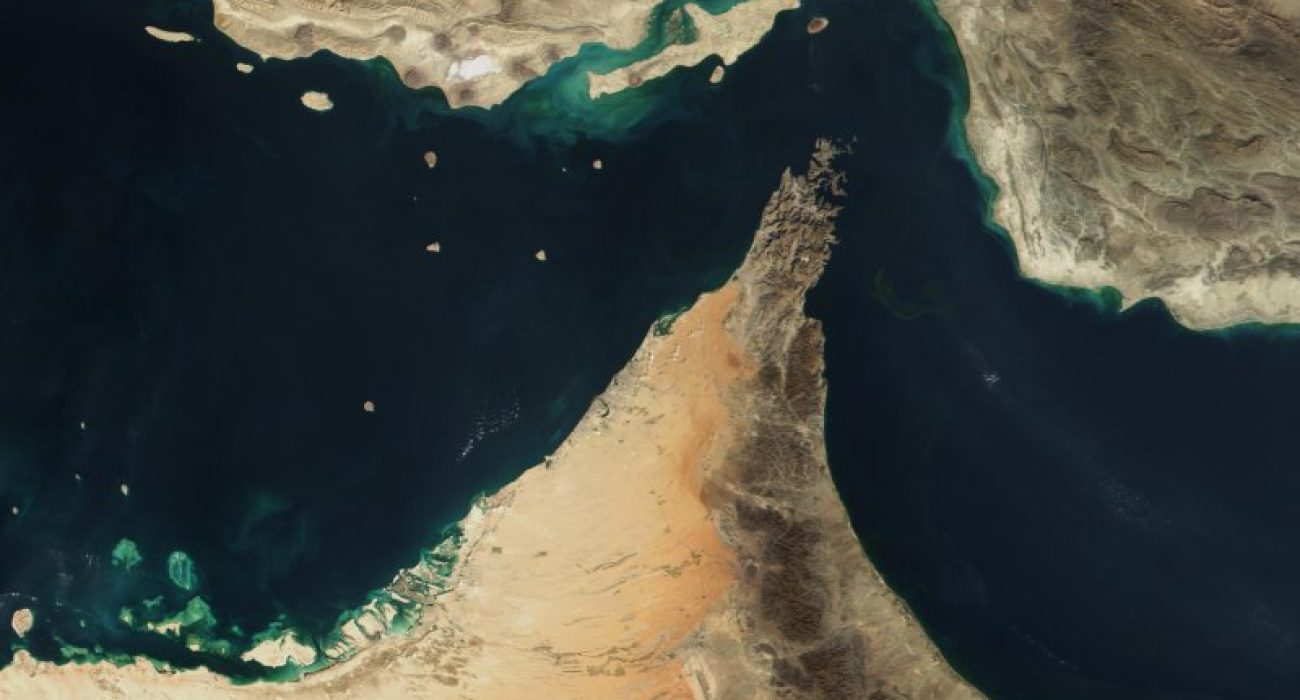
Satellite view of the Strait of Hormuz, the strategic Gulf chokepoint that handles a significant share of global oil and LNG tanker traffic. Credit: Jacques Descloitres, MODIS Land Rapid Response Team, NASA GSFC.
China has urged all parties involved in the escalating Middle East conflict to protect commercial shipping in the Strait of Hormuz. The appeal reflects growing concern over maritime security in one of the world’s most critical oil transit chokepoints.
On March 3, a spokesperson for China’s Foreign Ministry called for restraint and de escalation during a press briefing in Beijing. She stressed the importance of safeguarding merchant vessels transiting between the Persian Gulf and the Gulf of Oman. According to Beijing, ensuring safe passage through the Strait of Hormuz is essential for global trade stability.
Shipping Disruptions and Rising Risk Exposure
The Strait of Hormuz carries a significant share of global seaborne crude oil and liquefied natural gas exports. However, recent military action has disrupted normal tanker traffic. U.S. and Israeli strikes on Iran, followed by retaliation, have heightened operational risks for shipowners and charterers.
At least four commercial vessels have reportedly sustained damage. As a result, marine insurers and P and I clubs are reassessing war risk exposure in the Gulf. In some cases, underwriters have tightened coverage terms for vessels entering the region. Consequently, freight markets and energy traders are factoring higher risk premiums into voyage planning.
China’s Energy Security Concerns
China remains the world’s largest importer of oil and gas. Therefore, any prolonged disruption in Hormuz directly affects its energy security. Industry sources indicate that Chinese energy buyers are engaging Iranian counterparts to discourage actions that could threaten crude and LNG cargoes bound for Asia.
These diplomatic efforts aim to limit volatility in global oil prices and avoid sustained increases in tanker freight rates. Moreover, Beijing’s intervention signals broader concern about supply chain continuity and market stability.
Industry Response and Outlook
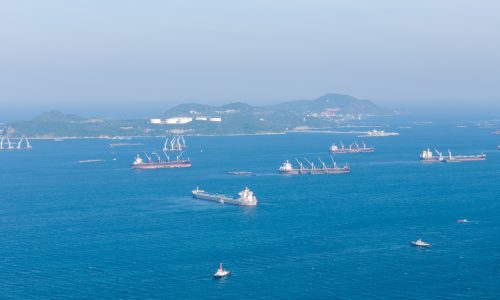
Ship operators are conducting fresh security reviews before committing vessels to Gulf transits. Meanwhile, the global shipping industry continues to monitor naval advisories and geopolitical developments closely.
Ultimately, uninterrupted navigation through the Strait of Hormuz remains essential for stable oil flows and predictable shipping markets. Without rapid de escalation, the risk profile for tanker and LNG traffic will remain elevated, with direct implications for global energy supply and maritime trade.