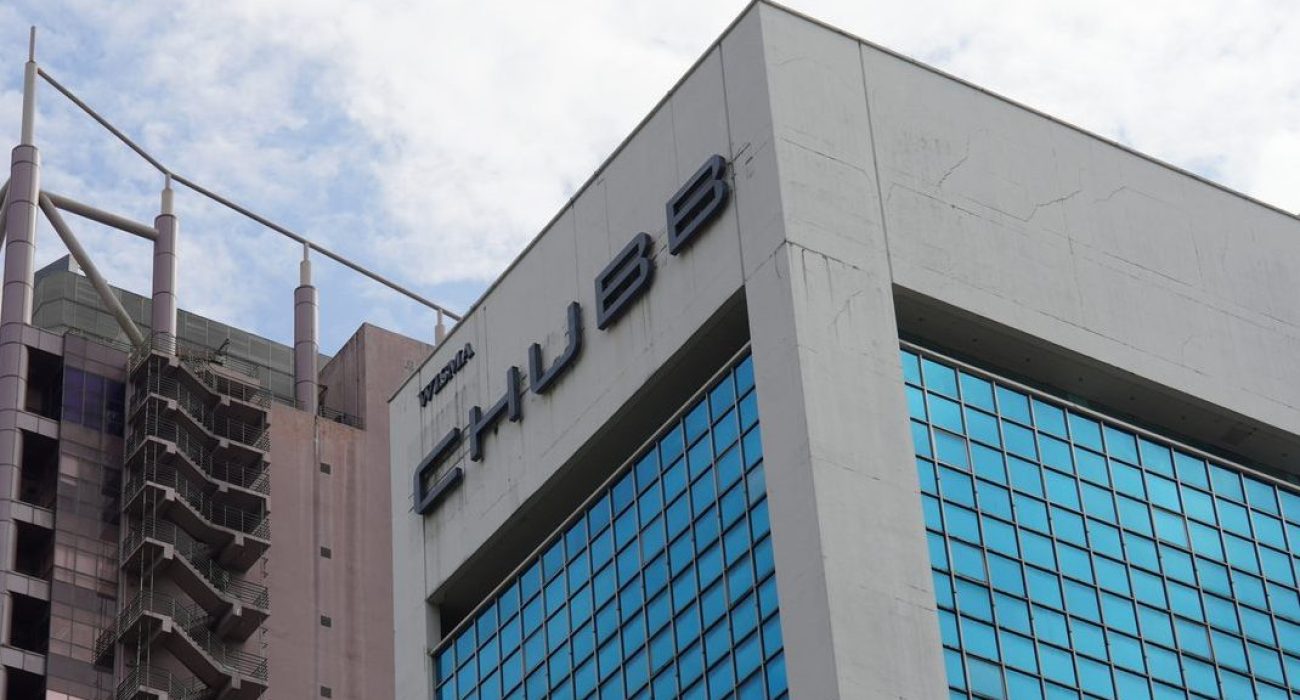
Chubb, a US listed global insurer, has expanded war risk coverage for vessels transiting the Strait of Hormuz as security risks intensify.
The insurer’s move comes as shipowners and charterers face rising exposure to geopolitical risk in one of the world’s most critical oil transit corridors. Market participants are increasingly relying on specialized cover to maintain operations in the region.
Insurance Market Responds to Escalating Threats
Chubb’s expanded support is designed to ensure vessels can continue transiting the Gulf despite heightened risk. War risk insurance remains essential for ships entering conflict exposed areas, where standard marine policies do not apply.
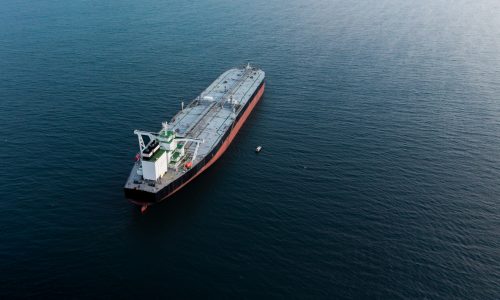
By maintaining coverage availability, Chubb helps stabilize tanker traffic through the Strait. This is particularly important for crude and refined product shipments that depend on uninterrupted passage.
Premiums for war risk cover have already increased as tensions escalated. Shipowners face higher voyage costs, while charterers must adjust freight calculations to reflect added insurance expenses.
Strait of Hormuz Remains Critical for Tanker Trade
The Strait of Hormuz handles a significant share of global oil and fuel shipments. Any disruption directly affects tanker flows and energy supply chains.
Recent instability has raised safety concerns for commercial vessels. Some operators are reassessing routes, while others continue transits supported by insurance solutions.
Without adequate war risk cover, many vessels would be unable to enter the region.
Impact on Freight Rates and Shipping Economics
Expanded insurance support may help sustain vessel movements, but cost pressure remains. Higher premiums are expected to support tanker freight rates, particularly for Gulf related voyages.
Shipping markets are now watching how insurers respond to further developments. Any additional escalation could trigger further premium increases and tighter operating conditions.
For the maritime industry, the situation reinforces the link between security risk, insurance availability, and global shipping flows.