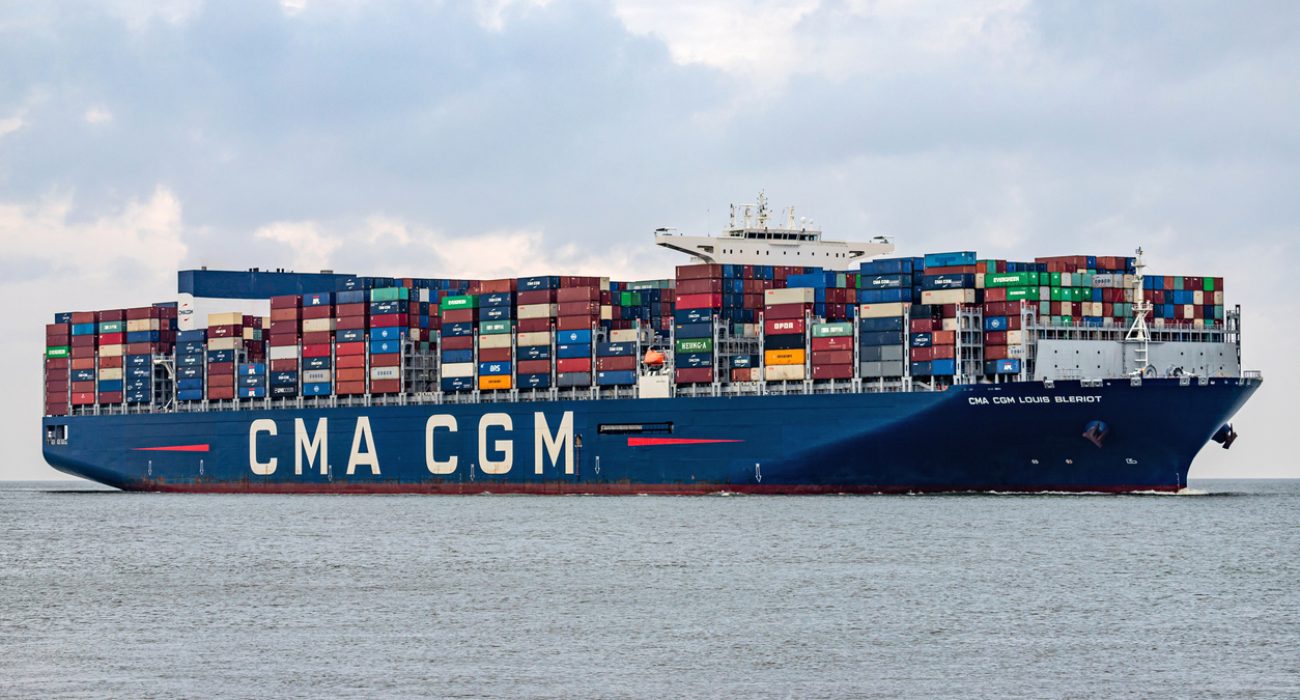
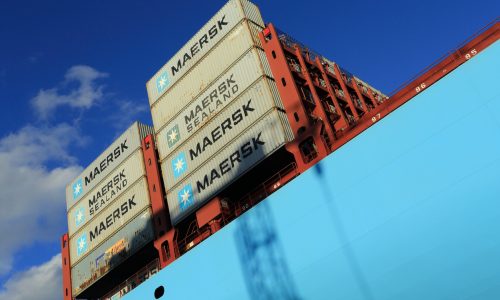
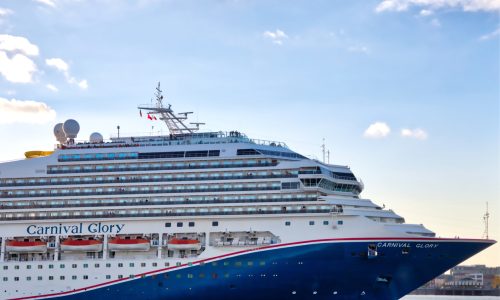
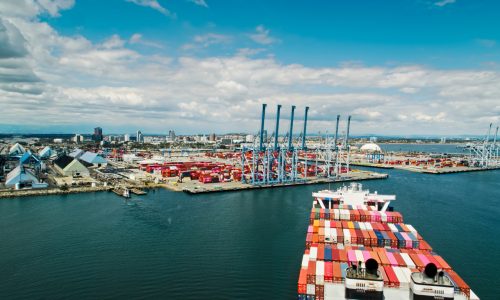
CMA CGM ultra large container vessel underway as rising fuel costs push carriers to consider inland surcharge measures across global supply chains. Source: iStock.
CMA CGM is assessing the introduction of an inland surcharge as rising fuel costs begin to affect not only vessel operations but also landside logistics linked to container shipping.
The move signals a shift in how cost pressure is spreading across the supply chain, with carriers now looking beyond ocean freight to recover expenses tied to higher energy prices.
Fuel Pressure Extends Beyond Ocean Shipping
The French carrier indicated that any surcharge would apply to inland transport segments connected to maritime cargo. This includes trucking and rail movements that form part of door to door container logistics.
Fuel costs have increased sharply in recent weeks, driven by instability in key energy supply routes. As a result, transport providers across the chain are facing higher operating expenses.
CMA CGM’s approach reflects a broader trend where rising bunker costs are no longer confined to vessel operations but are now impacting the full logistics network.
Surcharge Signals Shift in Cost Recovery Strategy
Unlike traditional bunker surcharges applied at sea, the proposed measure targets inland services. This highlights how carriers are adapting pricing models to reflect real cost exposure across multimodal transport.
For shippers, the change could increase total logistics costs even if base ocean freight rates remain unchanged. Inland transport has become a growing component of overall supply chain expenses.
The company has not confirmed a timeline for implementation, indicating that the measure remains under evaluation.
Industry Watches for Wider Adoption
Shipping market participants are closely monitoring CMA CGM’s position. If fuel prices remain elevated, similar inland surcharges could emerge across the container sector.
Carriers are under pressure to protect margins in a volatile cost environment. Adjustments to pricing structures are expected to continue as energy markets remain uncertain.
Supply Chain Impact for Global Trade
The potential surcharge underscores the sensitivity of global trade to fuel price movements. Cost increases are now transmitted across both maritime and inland transport segments.
For cargo owners, this creates additional complexity in budgeting and contract planning. It also reinforces the importance of monitoring carrier pricing strategies in a rapidly changing market.