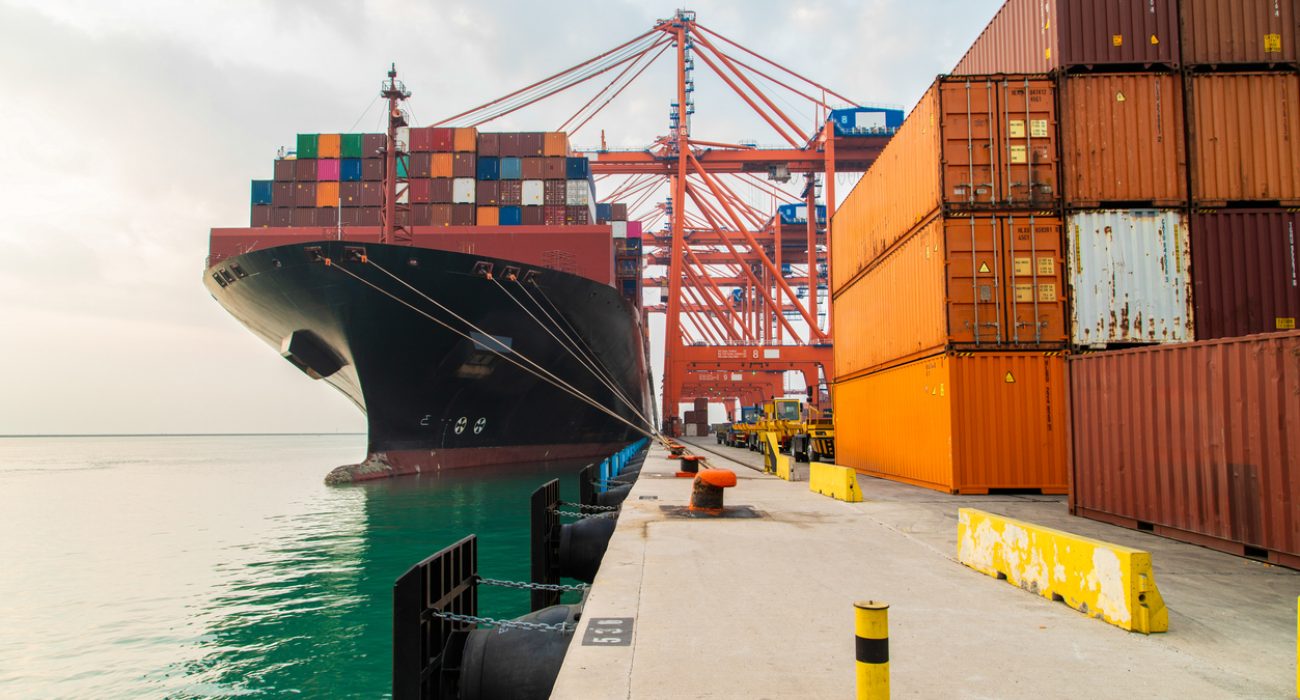
Container freight rates increased this week as manufacturing activity across Asia resumed following the Lunar New Year slowdown. However, rising tensions around the Strait of Hormuz are creating fresh uncertainty for global shipping markets.
The Drewry World Container Index shows the average global spot rate rose 3 percent to 1,958 dollars per forty foot container for the week ending March 5. The increase follows seven consecutive weeks of declining freight rates.
The rebound reflects the gradual return of export activity across Asia. Factories are reopening and cargo volumes are beginning to recover after the seasonal holiday pause.
Shipping lines are also restoring capacity to key trade lanes as bookings improve. Carriers had previously reduced sailings during the holiday period when cargo volumes typically fall.
Transpacific Routes Record Stronger Gains
The largest rate increases occurred on major transpacific routes.
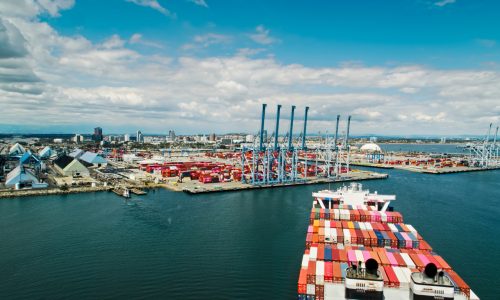
Spot rates from Shanghai to Los Angeles climbed 10 percent to 2,402 dollars per forty foot container. Meanwhile, rates from Shanghai to New York increased 7 percent to 2,977 dollars.
The increase suggests exporters are moving cargo that was delayed during the holiday period. Stronger volumes on transpacific routes often signal the early stages of a broader recovery in container shipping demand.
Asia Europe Trade Remains Weaker
Freight rates on the Asia Europe corridor showed a mixed trend.
Rates from Shanghai to Rotterdam fell 2 percent to 2,052 dollars per container. At the same time, prices from Shanghai to Genoa rose slightly by 1 percent to 2,844 dollars.
The figures indicate that cargo demand on Asia Europe routes has not yet fully recovered despite expectations of stronger export volumes as factory activity accelerates during March.
Strait of Hormuz Crisis Adds New Uncertainty
While demand conditions are improving, geopolitical tensions in the Middle East are creating new risks for container shipping.
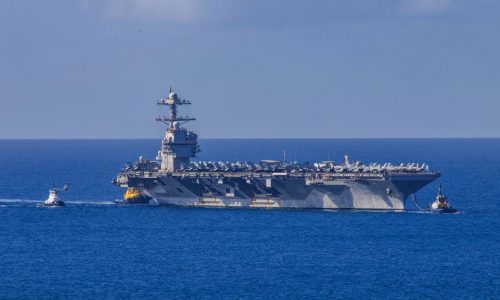
The Strait of Hormuz is one of the most important maritime chokepoints for global trade. Escalating tensions in the region have already disrupted vessel movements and raised security concerns for ship operators.
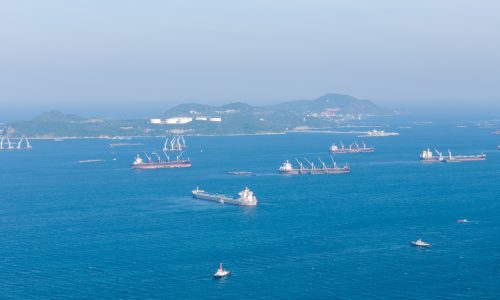
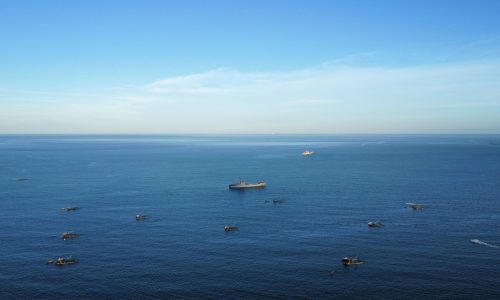
Industry executives report that roughly 100 container ships are currently caught in congestion linked to the situation, representing about 10 percent of the global container fleet.
If the crisis intensifies, shipping lines could face pressure to reroute vessels or suspend services in affected areas. Such measures would tighten vessel availability and could quickly push freight rates higher.
Market Outlook Remains Uncertain
The recovery in Asian manufacturing is providing near term support for container freight markets.
However, the evolving security situation around the Strait of Hormuz highlights the vulnerability of global shipping routes to geopolitical shocks.
Any escalation in the region could quickly disrupt trade flows and introduce fresh volatility into container shipping rates.