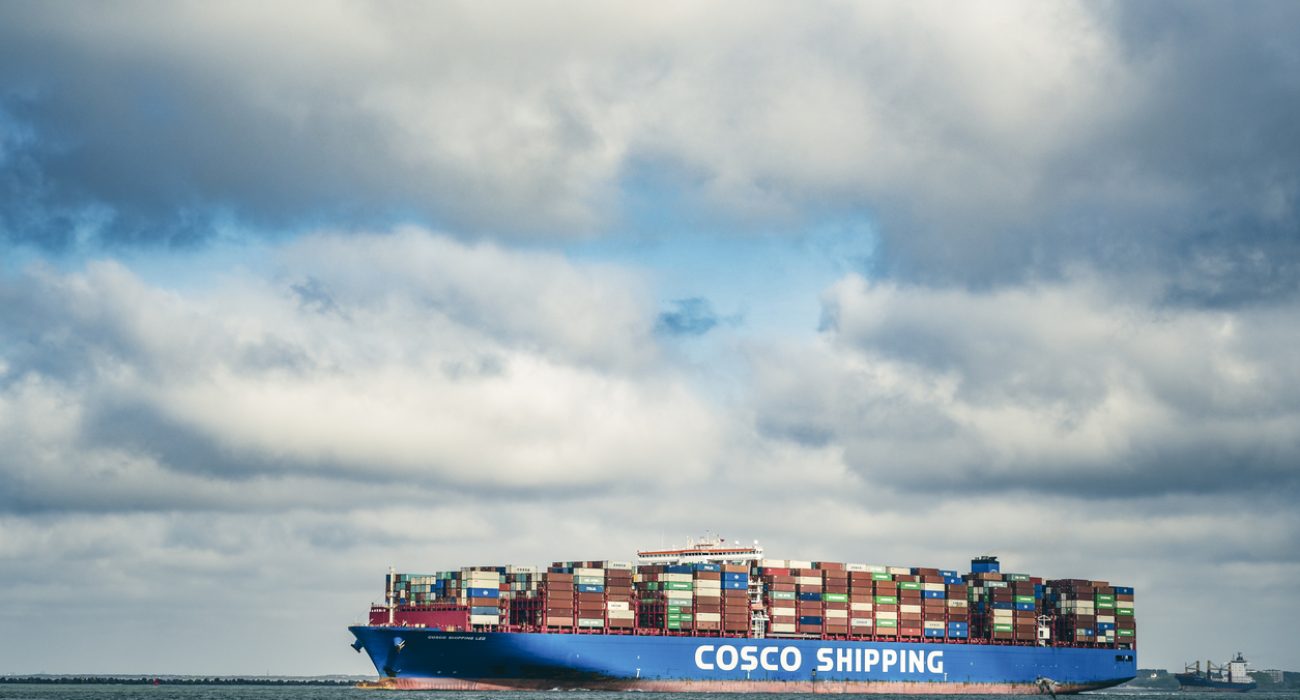
COSCO Shipping Lines has removed the Port of Balboa in Panama from one of its container shipping rotations, signaling another adjustment in liner service networks serving the Asia to Latin America trade corridor.
The change affects a service that previously included Balboa as a call on the Pacific side of the Panama Canal. Under the revised rotation, COSCO vessels will bypass the Panamanian port while continuing to serve other destinations in the region.
Service Rotation Changes in Asia Latin America Trade
Container shipping lines regularly modify service rotations to maintain schedule reliability and control operating costs. Port calls may change when carriers respond to operational challenges, shifting cargo volumes, or congestion at major terminals.
COSCO said the revised rotation aims to improve service efficiency across the route. Removing the Balboa stop allows vessels to maintain more stable transit times along the Asia to Latin America corridor.
Shipping companies increasingly adjust their networks as market conditions evolve. These changes often occur within alliance networks and global liner schedules that link multiple ports across several regions.
Balboa’s Role in Panama Container Logistics
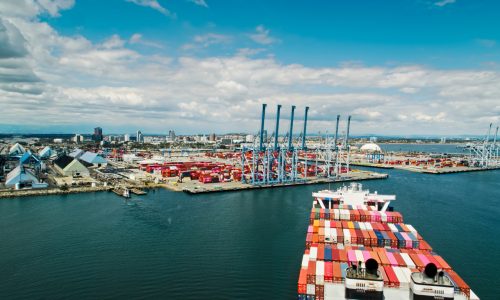
The Port of Balboa remains one of the largest container terminals in Central America. Located at the Pacific entrance to the Panama Canal, the port handles significant volumes of transshipment cargo moving between Asia and Latin America.
Major liner operators use Balboa as a regional hub where containers transfer between long haul vessels and feeder services serving nearby markets.
Despite COSCO’s schedule change, the port continues to host calls from numerous global container carriers operating services through the Panama Canal.
Global Liner Networks Continue to Shift
Changes to port rotations are common in the container shipping industry. Carriers frequently revise routes to balance vessel capacity, maintain schedule reliability, and improve network efficiency.
Analysts note that liner companies have become increasingly flexible in adjusting service structures as freight demand and operational conditions shift.
COSCO’s decision highlights how carriers continue to refine their networks across the Asia to Latin America trade lanes. For ports competing for transshipment cargo, maintaining efficient terminal operations remains critical to retaining calls from major shipping lines.