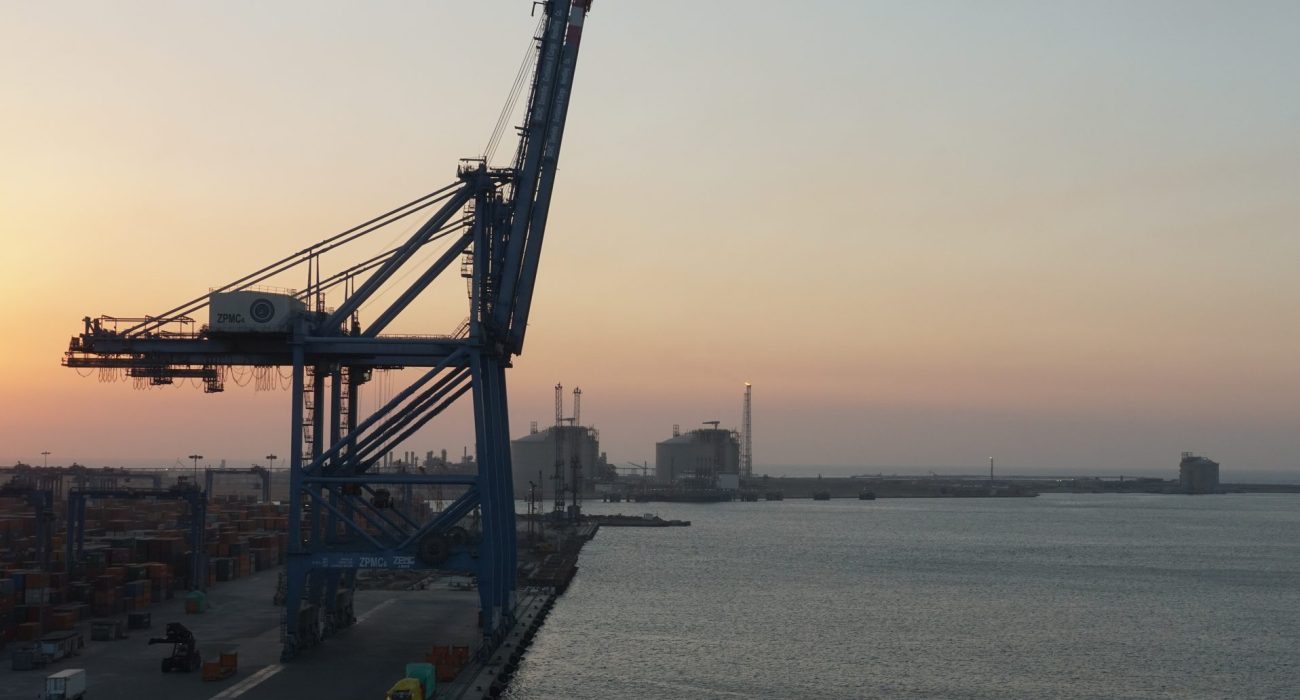
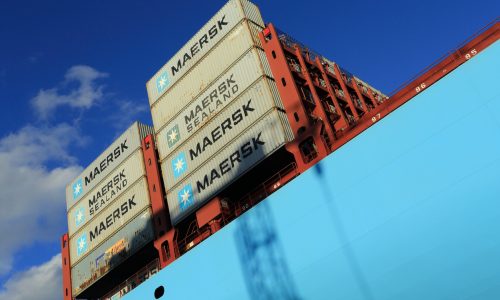
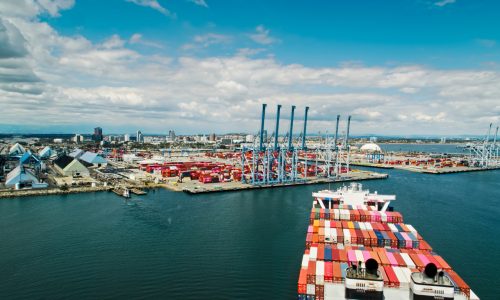
The Damietta Alliance Container Terminal has started commercial operations at Damietta Port, expanding container handling capacity on the East Mediterranean shipping corridor. The first vessel to berth at the facility was the 13,117 TEU container ship Essen Express.
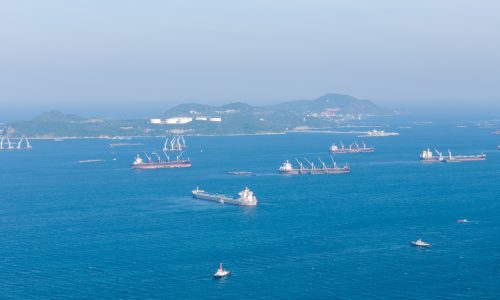
The new terminal is intended to support both transshipment cargo and Egyptian import export volumes. Its location near the Suez Canal places it directly on major liner trade routes linking Asia, Europe, and regional Mediterranean markets.
Built for large container ship deployment
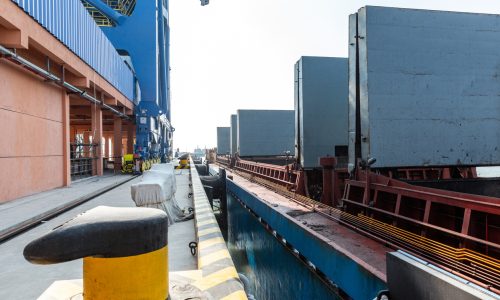
Damietta Alliance Container Terminal covers about 93 hectares. The quay extends more than 1,670 meters and provides water depth of 18 meters, allowing ultra large container vessels to berth alongside.
The terminal uses electric ship to shore cranes and hybrid rubber tyred gantry cranes. Additional equipment supports lashing operations and handling of out of gauge cargo. Rail infrastructure inside the facility connects the port with inland distribution networks to speed cargo evacuation.
Once fully utilized, the terminal is expected to handle around 3.3 million TEU annually. A large share of throughput will come from relay cargo moving between mainline and feeder services.
International joint venture investment
The facility is operated by a consortium including Hapag Lloyd, Eurogate, Contship Italia and Egyptian logistics partners. Development of the first phase required more than 600 million US dollars in investment.
The partners plan to position the terminal as a regional hub connecting trade flows between Africa, Europe and Asia.
Effects on Mediterranean container trade
The new capacity adds competition among Eastern Mediterranean hubs and offers carriers another routing option for relay cargo. It also strengthens Egypt’s logistics infrastructure and supports inland demand, especially around the Cairo metropolitan area.
Shipping lines may gradually adjust network planning to incorporate the new terminal as services expand. The project therefore increases flexibility in regional container shipping and improves supply chain resilience along the Suez trade corridor.