Danish Monitoring Reveals Extent of Russian Shadow Fleet Activity in Baltic Gateway
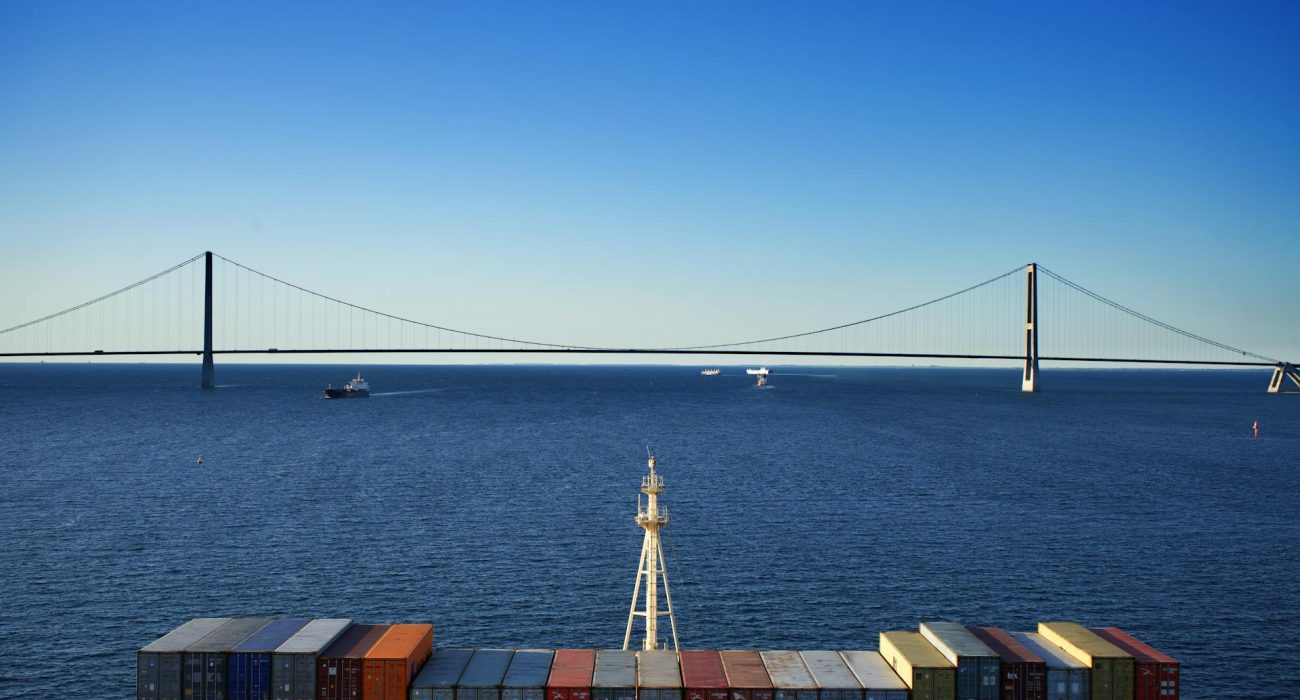
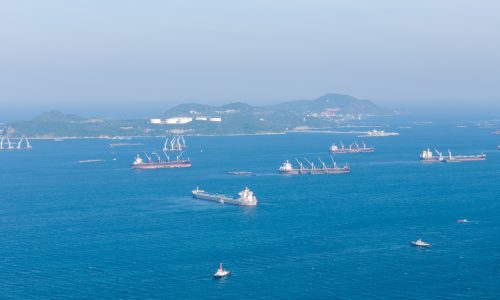
Oil tankers transit near the suspension bridge in the Danish Straits, a key shipping gateway between the Baltic Sea and the North Sea. Photo by Pankaj Mishra / Pexels
Danish authorities have documented 292 transits in 2025 by tankers linked to Russia’s shadow fleet through the Danish Straits, underscoring the continued movement of sanctioned oil cargoes through one of Europe’s most strategically important maritime corridors.
The figures were compiled by the Danish Maritime Authority, which tracked vessels listed under European Union sanctions frameworks. The data was shared with Denmark’s Ministry of Foreign Affairs and forwarded to EU partners as part of broader maritime sanctions coordination.
Baltic Chokepoint Remains Critical to Russian Oil Exports
The Danish Straits connect the Baltic Sea to the North Sea and serve as the primary exit route for crude oil and petroleum products shipped from Russian Baltic ports. Any tanker lifting cargo in the region must transit these narrow waterways to access global markets.
Despite multiple rounds of EU sanctions targeting Russia’s shadow fleet, tanker movements through Danish waters remain steady. The 292 recorded passages equate to near daily transits by sanctioned vessels through the Baltic gateway.
Legal Constraints Limit Direct Intervention
Denmark cannot automatically deny passage to sanctioned ships. Under international maritime law, vessels retain the right of innocent passage through straits used for international navigation, unless authorities can demonstrate a concrete safety or environmental threat.
This legal framework restricts enforcement options. Danish authorities therefore focus on surveillance, vessel identification and intelligence sharing rather than physical interdiction.
Operational and Environmental Risk
Many ships associated with Russia’s shadow fleet are aging tankers operating under complex ownership structures and flags of convenience. Industry specialists have raised concerns over insurance validity, classification oversight and maintenance standards.
The Danish Straits are among the busiest shipping lanes in Northern Europe. Heavy commercial traffic, confined waterways and sensitive coastal environments increase the potential consequences of any casualty involving a large crude carrier.
The monitoring data illustrates a structural challenge for European policymakers. Sanctions can designate vessels and restrict financial channels, but geography and maritime law continue to shape trade flows. As long as the Baltic gateway remains open under international navigation rules, Russian linked tanker traffic will continue to test the limits of EU maritime enforcement.