EU Faces Prolonged Energy Pressure After Qatar LNG Disruption
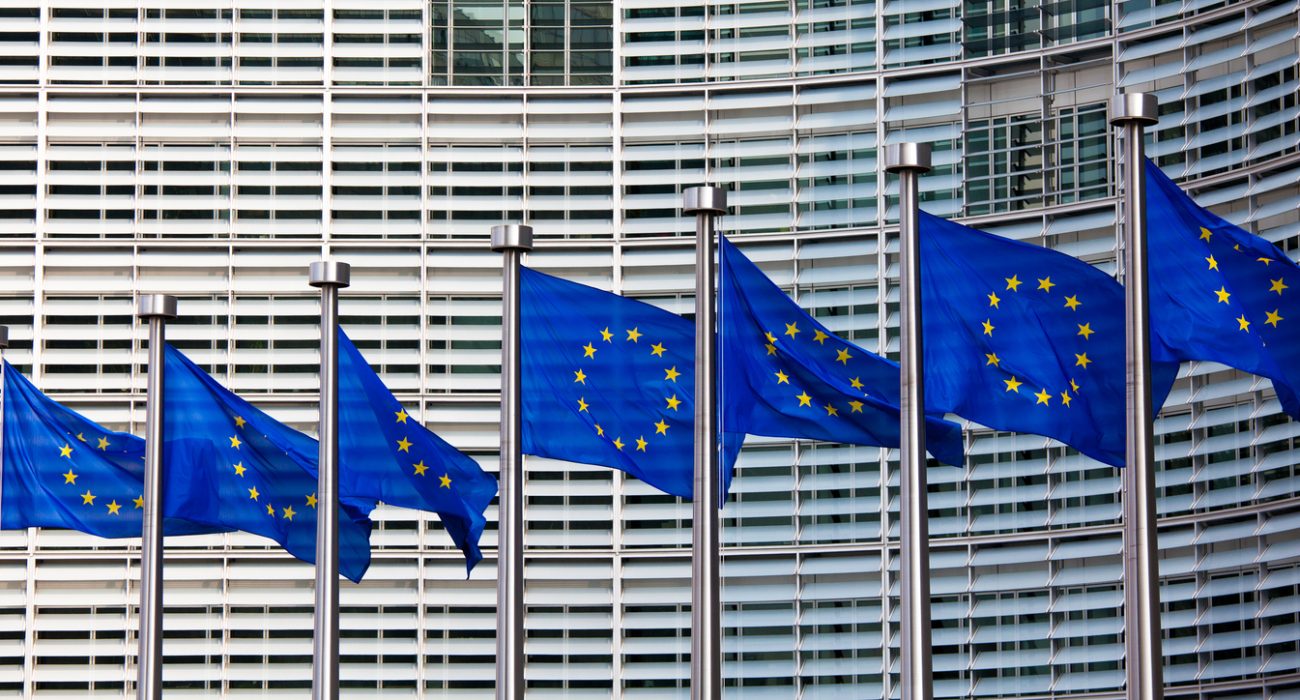
European Union flags outside the European Commission headquarters in Brussels as EU leaders assess the impact of Qatar LNG disruption on energy and shipping markets. Source: iStock.
Europe is preparing for a sustained energy squeeze after damage to Qatar’s Ras Laffan LNG complex. EU leaders raised the issue at a Brussels summit on March 19. They warned the impact could last several years and affect shipping markets.
LNG Supply Loss Tightens Global Market
The main concern is gas supply. QatarEnergy chief executive Saad al Kaabi said the damaged facilities handle about 17 percent of LNG exports. This equals roughly 13 million tons per year.
Repairs may take three to five years. As a result, LNG availability will remain tight. Shipping demand for LNG carriers is likely to stay strong. At the same time, European gas prices will remain volatile.
Strait of Hormuz Risk Gains Urgency
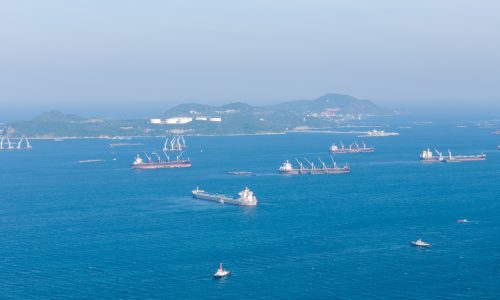
Attention is now shifting to the Strait of Hormuz. This route is critical for global energy shipping. Earlier, EU officials expected price spikes but no major supply disruption.
However, that view is changing. If flows weaken, oil supply could tighten. Diesel and jet fuel markets are especially exposed. Therefore, shipping routes and tanker demand may face added pressure.
Rising Prices Hit European Economy
Market signals already show stress. European gas prices have reached a three year high. In addition, the European Commission estimates a 7 billion euro increase in energy costs over two weeks.
The European Central Bank warns of broader risks. Inflation could rise above 6 percent. A short recession is also possible. Meanwhile, growth forecasts are weakening. EU officials say 2026 growth could fall by up to 0.4 percentage points.
Policy Response and Shipping Impact
EU leaders are considering targeted measures. These include temporary electricity tax cuts and changes to emissions trading rules. However, both options carry political and fiscal costs.
For shipping, the outlook is clear. LNG trade will stay tight. Bunker costs may rise further. In addition, cargo flows could become more volatile. Europe’s energy exposure will continue to shape maritime risk.