European importers remain the dominant buyers of liquefied natural gas produced in Russia’s Arctic, even as the European Union prepares to prohibit Russian LNG imports from January 1, 2027. Shipping and trade data show that European customers recently purchased every available cargo from the Yamal LNG project, highlighting the region’s ongoing reliance on this supply.
European Terminals Still Receive Yamal LNG Cargoes
Recent vessel tracking information indicates that all cargoes leaving Russia’s Yamal LNG plant during the latest reporting period were delivered to ports in Europe. The shipments demonstrate that European LNG terminals continue to serve as the main destination for gas produced at the Arctic facility.
This trade persists despite the EU’s broader policy objective to eliminate Russian fossil fuel imports. The bloc has already introduced several sanctions targeting Russia’s energy sector and plans to enforce a full ban on Russian LNG imports starting in 2027.
European Shipping Sector Remains Involved
European maritime companies remain closely connected to the Arctic LNG supply chain. UK based shipping company Seapeak and Greek operator Dynagas carried 17 of the 21 shipments recorded during the period.
European insurers also continue to provide coverage for vessels transporting the cargoes. These services remain essential for maintaining regular shipments from Russia’s Arctic LNG facilities.
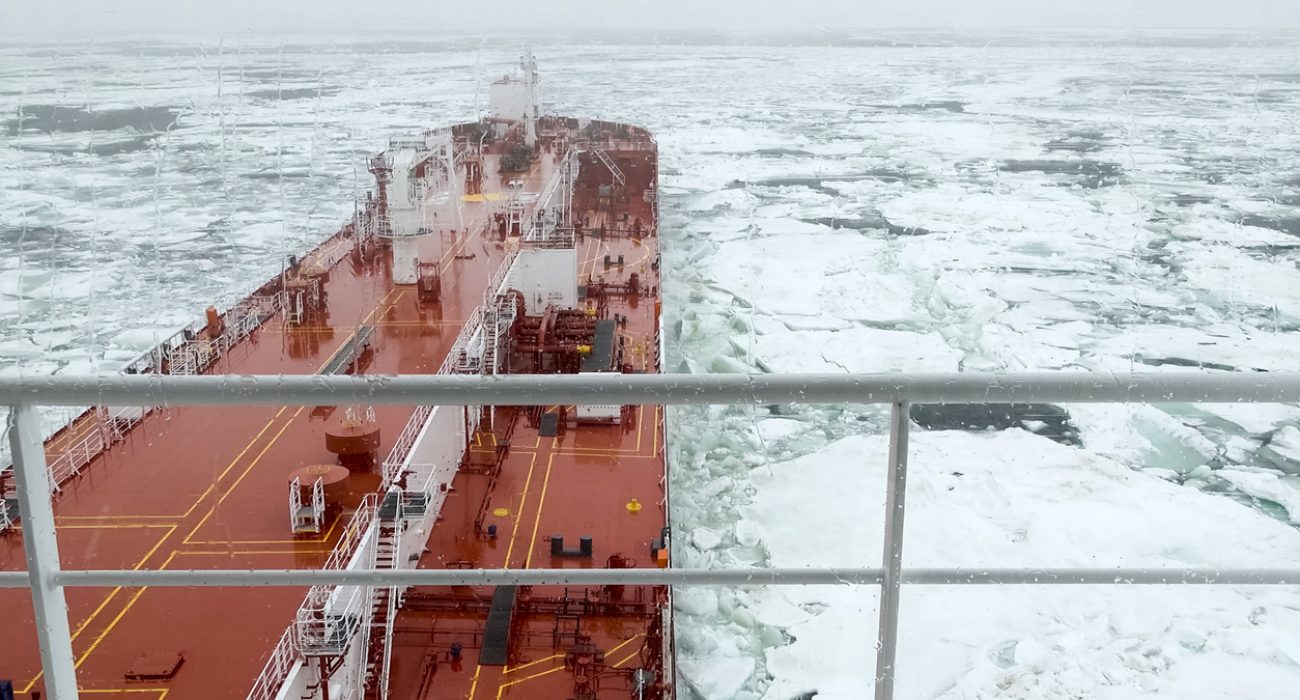
The Yamal LNG project depends on a fleet of Arc7 ice class LNG carriers designed for navigation in severe Arctic conditions. These vessels allow year round operations along the Northern Sea Route and ensure the continuous export of liquefied natural gas from the region.
Challenges in Redirecting Cargoes to Asia
Russia has explored redirecting a larger share of its Arctic LNG exports toward Asian buyers. However, logistical barriers remain significant. Longer sailing distances, limited numbers of ice capable LNG carriers, and infrastructure constraints make a rapid shift away from European markets difficult.
Energy market volatility could also influence the debate around the planned EU ban. Some analysts warn that supply pressures and higher gas prices may complicate the bloc’s strategy to completely eliminate Russian LNG imports.
For now, European buyers remain the primary destination for Russian Arctic LNG shipments, even as policymakers work toward ending the trade later this decade.