The European Union has introduced a sweeping maritime industrial strategy aimed at revitalizing shipbuilding, strengthening port security, and accelerating decarbonization across the shipping sector. The initiative reflects growing concern in Brussels over Europe’s declining shipbuilding capacity and rising geopolitical risks affecting global maritime supply chains.
European officials say the plan will reinforce the region’s maritime industry while supporting the transition toward cleaner shipping technologies.
Strategy Targets Shipbuilding Competitiveness
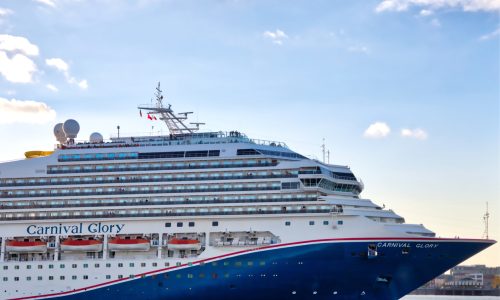
At the center of the new framework is an effort to restore Europe’s position in global shipbuilding. Asian yards currently dominate vessel construction, leaving European shipbuilders focused mainly on specialized ships such as cruise vessels, offshore units, and naval platforms.
The European Commission plans to improve access to financing for shipyards and maritime technology companies. Officials also aim to encourage investment in advanced vessel designs, digital shipbuilding systems, and new propulsion technologies.
Brussels believes stronger industrial support will help European yards compete in high value vessel segments and maintain strategic maritime capabilities.
Ports and Maritime Infrastructure Under Review
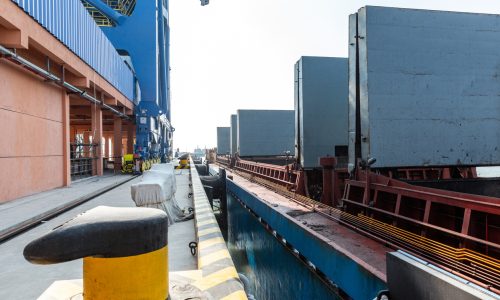
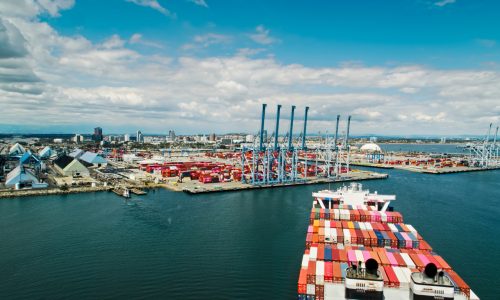
The strategy also addresses the security and resilience of European ports. Authorities want to reduce vulnerabilities linked to foreign investment in critical infrastructure.
Recent geopolitical tensions and supply chain disruptions have pushed the EU to review how ports operate and who controls strategic terminals. Policymakers argue that stronger oversight will help protect logistics networks that are vital to European trade.
The Commission plans to work with member states to monitor port ownership structures and strengthen safeguards around critical maritime assets.
Decarbonization Remains a Core Priority
In parallel, the EU continues to push the shipping industry toward lower emissions. The strategy aligns with broader climate targets that aim to reduce greenhouse gas output from maritime transport.
Officials plan to accelerate the development of zero emission vessels and alternative fuels such as hydrogen, ammonia, and advanced biofuels. European shipyards and equipment manufacturers are expected to play a central role in developing these technologies.
The initiative also supports investment in port infrastructure that can handle future marine fuels.
Maritime Workforce and Innovation
Another pillar of the strategy focuses on skills and workforce development. The EU wants to attract more workers to maritime careers and ensure shipyards have access to trained engineers and technicians.
Brussels also plans to expand research programs that support digital shipping systems, autonomous vessel technologies, and advanced maritime manufacturing.
Europe Seeks Strategic Maritime Strength
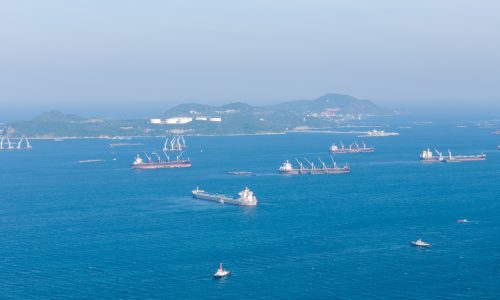
European leaders view the maritime sector as critical to economic security. Around 75 percent of EU external trade moves by sea, making ports and shipping essential to the region’s supply chains.
With the new strategy, the EU hopes to reinforce its maritime industry while preparing the sector for a future defined by technological change, environmental regulation, and geopolitical competition.