EU LNG dependence is coming under renewed scrutiny after political tensions linked to Greenland raised concerns about long-term energy security. Political tensions linked to Greenland are forcing the European Union to reconsider one of the core pillars of its post-Ukraine energy strategy. Specifically, this concerns heavy dependence on liquefied natural gas from the United States.
EU Energy Commissioner Dan Jorgensen said this week that, as a result, Brussels is actively working to broaden its gas supply base. While the US remains Europe’s main LNG partner, the bloc now wants stronger diversification in order to limit exposure to political risk and reduce vulnerability to diplomatic shocks.
Jorgensen stressed that the issue is not about ending imports from the US. Instead, the concern is strategic vulnerability. Recently, statements by US political leaders about Greenland, including claims that Washington should “own” the territory, triggered unease inside EU institutions. In some cases, the comments suggested that the use of force could not be ruled out.
However, US officials later rejected any military intent. Nevertheless, the remarks highlighted how quickly political rhetoric can affect critical supply relationships and raise questions about long-term reliability.
From Russia to the US in two years
Initially, Europe’s LNG dependence on the US emerged after Russia’s invasion of Ukraine in February 2022. Following the start of the war, Gazprom terminated long-term contracts and, consequently, cut pipeline gas flows to European buyers.
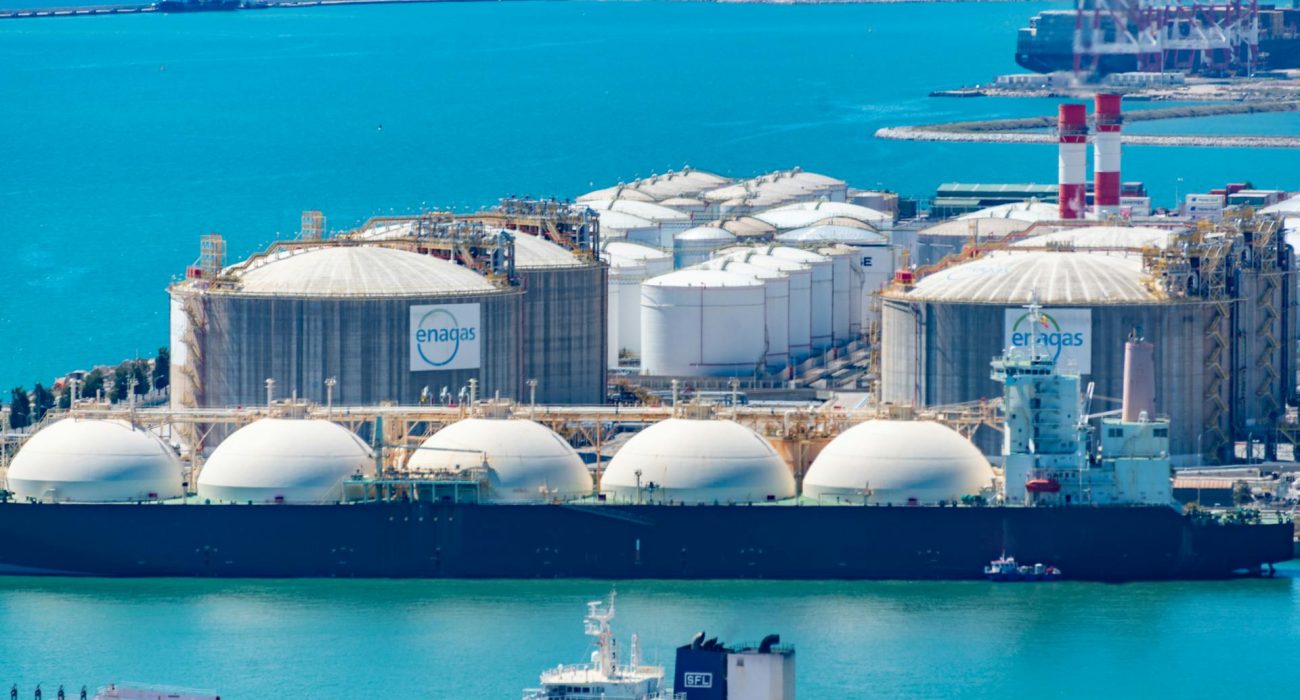
As a result, the sudden loss of Russian supply forced the EU into the global LNG market. In response, governments accelerated the construction of floating regasification terminals and simultaneously signed new purchase agreements with overseas exporters to secure alternative volumes.
Naturally, the US became the main replacement. Its Gulf Coast export capacity expanded rapidly and, moreover, US LNG cargoes offered flexible contracts and reliable shipping routes.
Today, the US accounts for almost 60 percent of all LNG imported into the EU. Meanwhile, Norway supplies most of the remaining pipeline gas. Ultimately, the EU plans to eliminate Russian gas entirely by the end of 2027.
Qatar, Canada and Algeria move up the list
Looking ahead, Jorgensen said Europe is now in talks with alternative producers to rebalance its energy portfolio. For example, Canada, Qatar and Algeria were named as priority partners for future LNG growth.
In contrast to the past, the objective is to avoid repeating the same structural mistake made with Russia. Put simply, long-term dependence on a single supplier creates leverage that can turn political disputes into economic pressure.
At the same time, the White House dismissed suggestions that the US could become an unreliable partner. According to comments reported by Bloomberg, spokesperson Taylor Rogers said American LNG remains Europe’s most secure energy source and, therefore, supply cooperation will continue.
Energy policy aligns with wider EU derisking
More broadly, energy analysts see this shift as part of a wider EU “derisking” strategy. In other words, the same logic now shapes trade policy, industrial policy and foreign relations.
Ultimately, for shipping and LNG markets, this strategy could reshape long-term trade routes, investment decisions and tanker demand across the Atlantic and beyond.