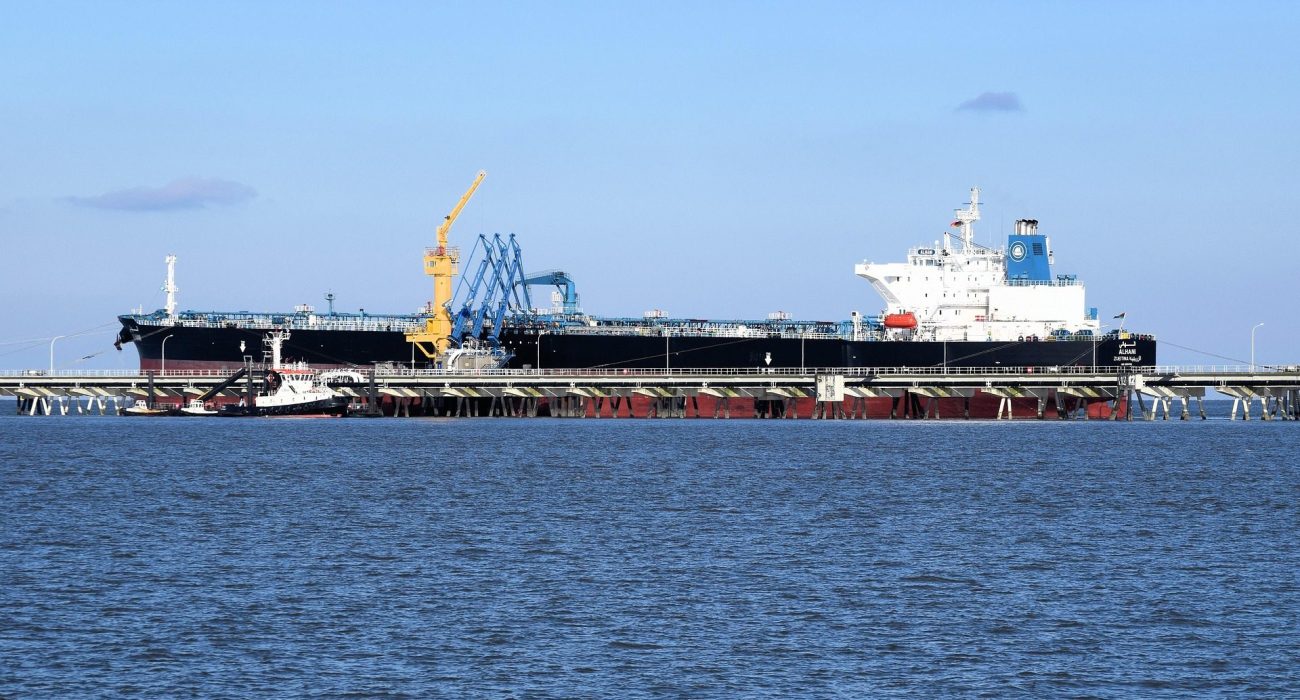
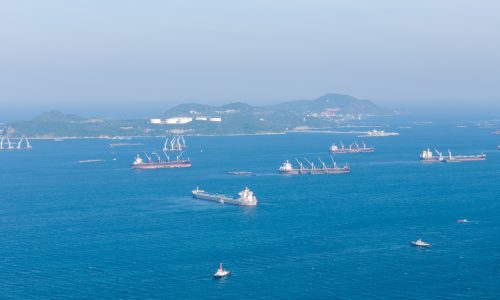
The European Union is moving to tighten pressure on Russia by targeting the shipping system that supports its oil exports. A new sanctions proposal from the European Commission centers on maritime services and tanker operations that carry Russian crude to global markets. The plan signals a sharper focus on logistics rather than price tools alone.
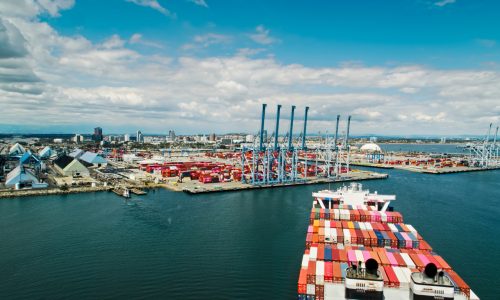
EU officials say Russia still depends heavily on Western linked shipping capacity. Many of those tankers connect to companies in Greece, Cyprus and Malta. The proposal would block essential services tied to transporting Russian crude by sea. As a result, access to compliant vessels and insurance would narrow for Russian cargoes.
This approach reflects concern about the limits of earlier oil sanctions. Policymakers believe logistics restrictions could disrupt export flows more effectively. They see shipping controls as a way to close enforcement gaps that have persisted under the price cap regime.
Price cap pressure and shadow fleet expansion
The current G7 price cap on Russian oil stands at 44.10 dollars per barrel after a joint adjustment by EU partners, including Britain and Japan. However, benchmark grades such as Iraq’s Basra Medium continue to trade above that threshold. That gap has fueled debate over how well the cap restrains revenue.
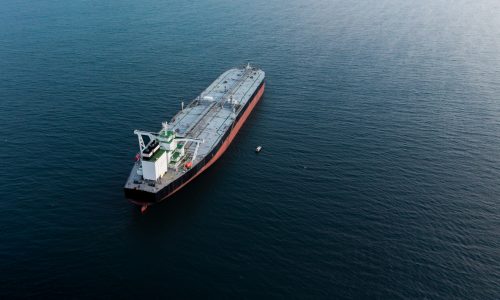
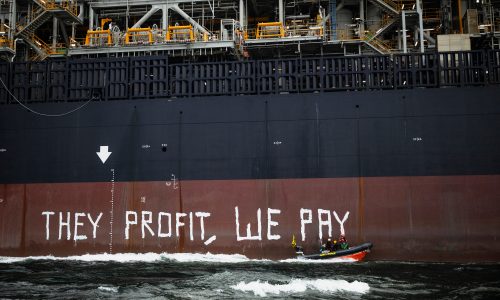
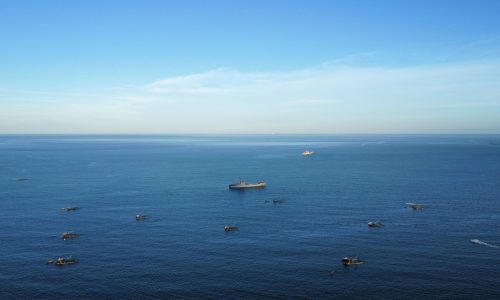
At the same time, Brussels plans to intensify action against Russia’s shadow fleet. The Commission wants to add 43 vessels to its blacklist. This move would raise the total number of sanctioned ships to 640. Many of these tankers operate through opaque ownership structures that complicate oversight.
Broader trade and financial curbs
The sanctions package extends beyond oil shipping. It introduces new import bans on selected metals, chemicals and critical raw materials. It also tightens export controls on goods destined for Russia. Financial steps include sanctions on 20 regional Russian banks and measures against cryptocurrency firms accused of enabling evasion.
European Commission President Ursula von der Leyen said the EU will coordinate the plan with partner countries. She also pointed to tougher limits on maintenance and technical services for Russian LNG tankers and icebreakers. These steps would widen the scope of maritime restrictions.
EU member states must approve the package unanimously. If they do, Brussels will activate a new anti circumvention tool. This mechanism would allow limits on certain sanctioned goods sold to third countries suspected of aiding evasion. EU diplomats have recently highlighted Kyrgyzstan as an area of concern.