G7 Moves Toward Maritime Services Ban on Russian Oil Exports
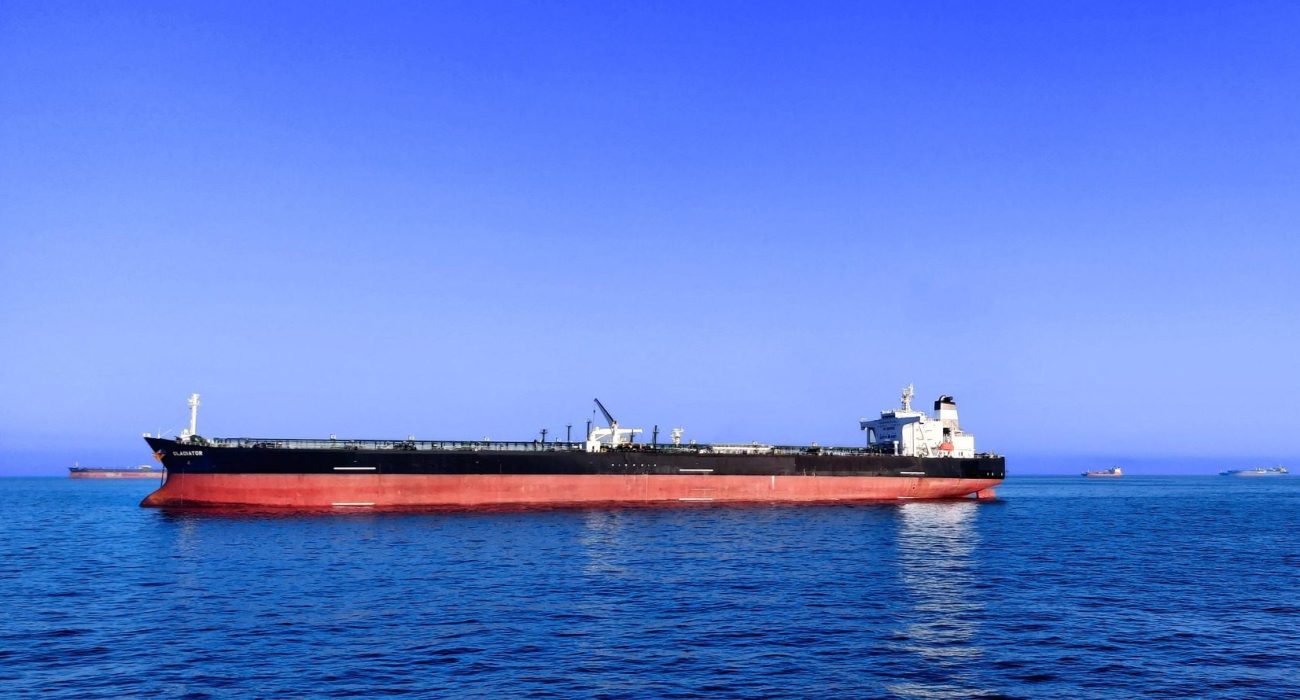
File photo of a very large crude carrier. Tanker operators face rising compliance scrutiny as new maritime sanctions are discussed. Photo: Mohamed Aly / Pixabay
France has expressed cautious confidence that the Group of Seven is edging closer to agreeing on a coordinated ban on maritime services linked to Russian oil exports. The proposal would mark a significant tightening of Western energy sanctions and directly affect global shipping markets.
Speaking on the sidelines of a G7 foreign ministers meeting in Munich, French Foreign Minister Jean Noel Barrot said discussions are progressing and that several countries support advancing the measure. He indicated that negotiations remain ongoing but described the outlook as reasonably optimistic.
Shift from Price Cap to Services Ban
The proposed measure would go beyond the existing Russian oil price cap framework introduced in 2022. While the price cap allows maritime transport and insurance services if Russian crude trades below a set threshold, a full maritime services ban would prohibit a broad range of shipping related activities regardless of price.
Such a move would affect tanker operators, ship managers, brokers, classification societies and marine insurers involved in transporting Russian crude. It would also reshape compliance risk calculations for global energy traders and charterers.
Integration into EU Sanctions Strategy
France expects the proposal to be considered as part of the European Union’s forthcoming twentieth sanctions package against Moscow. Embedding the measure in EU law would significantly strengthen enforcement mechanisms across European shipping and financial centers.
For maritime stakeholders, the implications are substantial. European insurers and protection and indemnity clubs currently play a central role in global tanker coverage. A ban on services would further constrain Russia’s ability to rely on Western maritime infrastructure and could accelerate the expansion of alternative shipping networks.
Market and Regulatory Impact
If adopted, the measure would intensify pressure on Russian crude export flows, particularly shipments to Asia. It would also increase operational complexity for tanker owners navigating sanctions compliance.
While political and technical hurdles remain, alignment among G7 economies would represent a major escalation in maritime sanctions policy and a defining moment for energy shipping regulation in 2026.