Ice Conditions and Vessel Breakdown Disrupt LNG Access at German Baltic Terminal
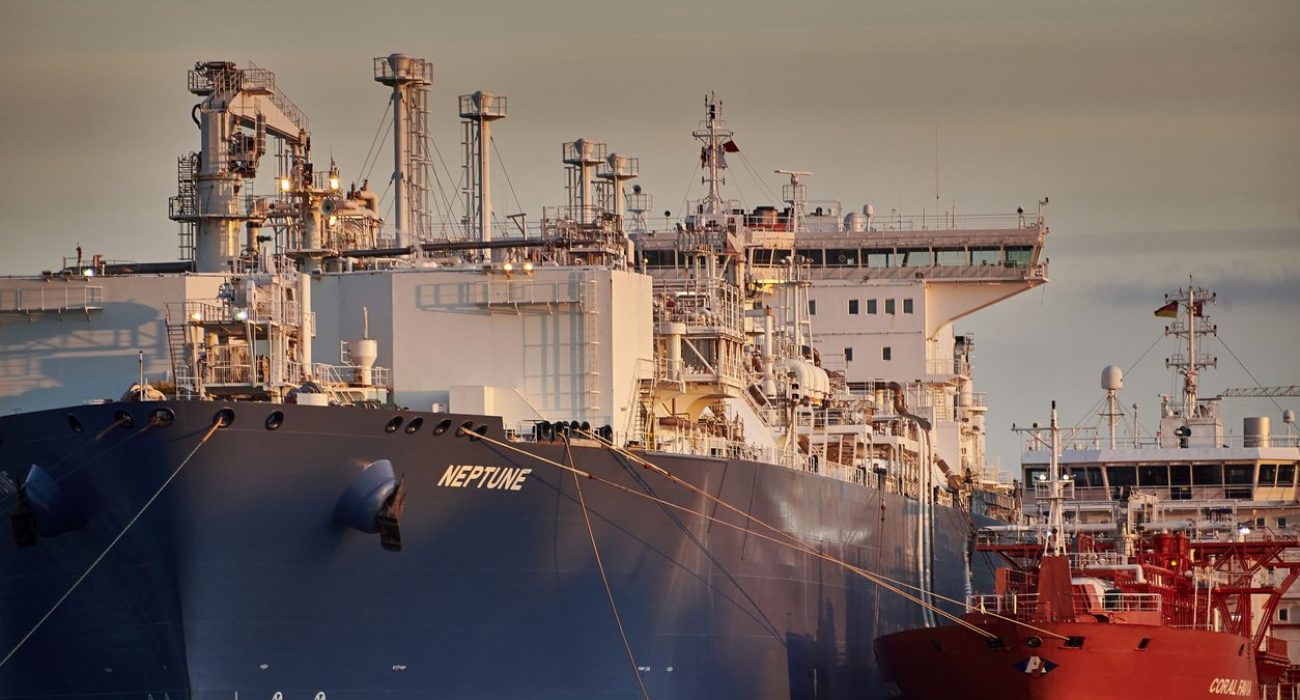
File photo: LNG tanker at a German import terminal. Baltic ice and an icebreaker failure have delayed vessel access to regional gas facilities. Source: iStock
Severe winter ice in the Baltic Sea has interfered with liquefied natural gas shipping to Germany after a federal icebreaking vessel suffered a technical failure near the island of Rügen. The disruption has complicated tanker movements serving the Mukran import facility, one of the country’s strategic LNG entry points.
Authorities reported unusually heavy ice concentrations in waters around the terminal. In some areas the ice exceeded 30 centimeters and wind pressure formed ridges approaching one meter. Such conditions require continuous channel clearing to allow gas carriers to reach the floating regasification unit safely.
Key Icebreaking Asset Forced Out of Service
The icebreaker Federal Waterways and Shipping Authority vessel Neuwerk was reassigned from the North Sea to assist Baltic navigation during the cold spell. Shortly after arriving on station, the ship experienced engine power loss and returned to port for inspection instead of continuing escort operations.
Without the vessel, traffic slowed immediately. Authorities arranged support from the tug VB Bremen Fighter, but its capability is lower than a dedicated icebreaker. The substitute has struggled to maintain an open approach channel for deep draft LNG carriers.
Tankers Waiting Offshore
One cargo discharge was completed before the ice intensified. Subsequent carriers were forced to remain at sea while waiting for a navigable route to the terminal operated by Deutsche ReGas. Reports indicated declining on site inventory levels as deliveries paused.
The operator stated the terminal itself remains functional and ready to receive cargo. The constraint lies solely in maritime access rather than processing capability.
Supply Chain Implications for Shipping
The incident highlights the dependence of northern European energy logistics on ice management capacity. LNG carriers require escort support in difficult winter conditions, and the loss of a single specialized vessel can interrupt delivery schedules.
For shipping operators, the episode reinforces seasonal planning risks in the Baltic trade. Charterers may need larger schedule buffers and contingency routing when ice severity increases, particularly at terminals relying on continuous channel clearance rather than naturally ice free approaches.