Greek Operated Tanker Transits Strait of Hormuz With Saudi Crude Bound for India
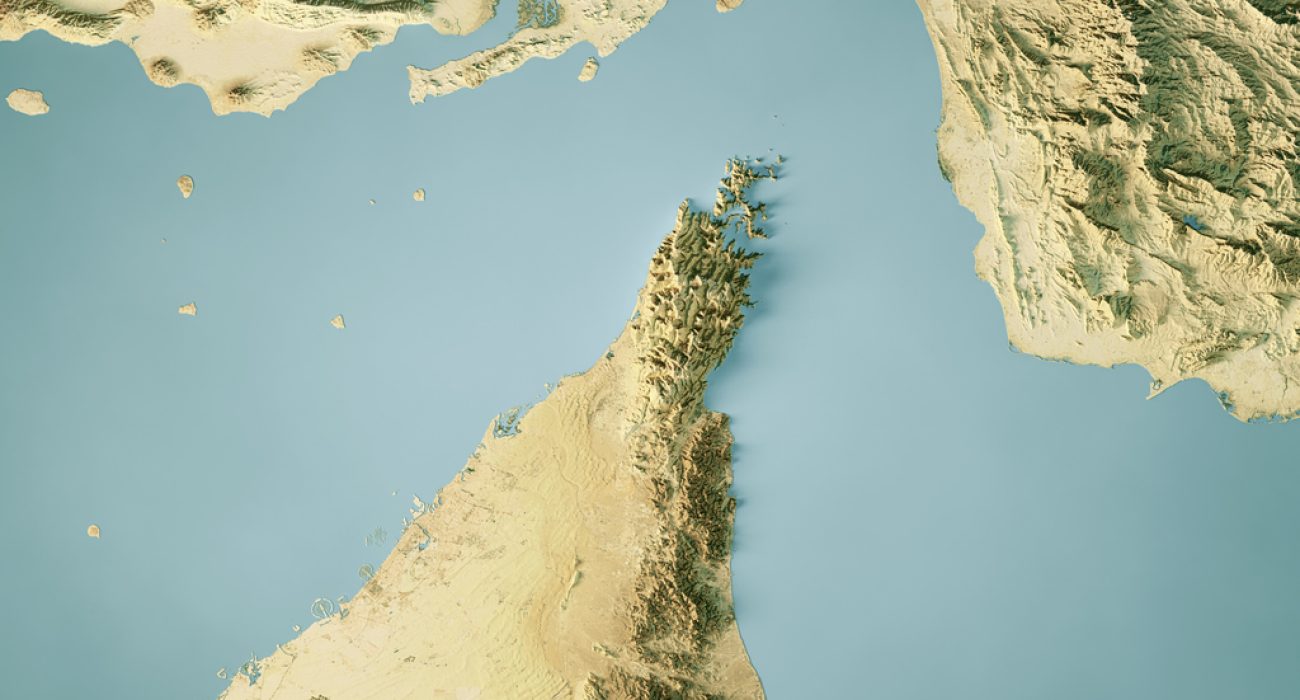
3D satellite view of the Strait of Hormuz, the key maritime chokepoint for global crude oil tanker traffic linking the Persian Gulf with international shipping routes. Source: iStock.
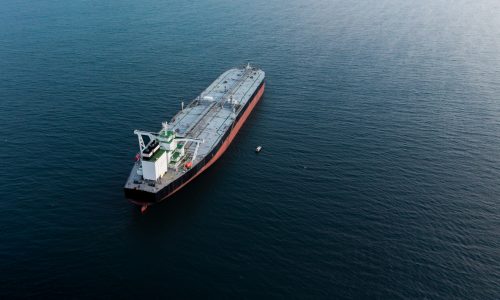
A Greek managed oil tanker carrying Saudi crude has sailed through the Strait of Hormuz, according to vessel tracking data. The voyage highlights continued oil flows through one of the world’s most important shipping corridors.
Suezmax Tanker Loads at Ras Tanura
The Suezmax tanker Shenlong loaded crude at the Saudi export terminal of Ras Tanura before departing for Asian markets.
The vessel can carry about 1 million barrels of crude oil. Suezmax tankers often transport Middle East crude to refineries across Asia.
Ras Tanura is Saudi Arabia’s largest oil export terminal. It plays a key role in global crude supply. Many cargoes from the port move to major refining centers in India and China.
Ship Tracking Shows Hormuz Passage
Vessel tracking data confirms that the tanker sailed through the Strait of Hormuz. Analytics firms Kpler and Lloyd’s List Intelligence identified Mumbai as the vessel’s listed destination.
MarineTraffic tracking data placed the tanker inside the strait on March 8. The vessel later continued east across the Arabian Sea toward India.
The Strait of Hormuz connects the Persian Gulf with global shipping routes. It remains the most critical oil transit chokepoint in the world. Around one fifth of global seaborne oil trade passes through the waterway each year.
Dynacom Operates the Vessel
The Athens based shipping company Dynacom manages the Shenlong. The company operates a large fleet of crude tankers in international markets.
Dynacom did not immediately respond to requests for comment about the voyage.
Importance for Global Oil Shipping
The transit shows that Middle East crude exports continue to move toward Asian buyers. This trade remains vital for global energy markets.
India is one of the largest importers of Saudi crude oil. Suezmax tankers regularly serve the route between Gulf export terminals and Indian refineries.
The Shenlong voyage also highlights the role of vessel tracking platforms. Services such as Kpler, MarineTraffic, and Lloyd’s List Intelligence allow the shipping industry to monitor tanker movements and global oil flows in real time.
For the tanker market, even a single confirmed transit offers insight into conditions in the Strait of Hormuz and the resilience of global oil supply chains.