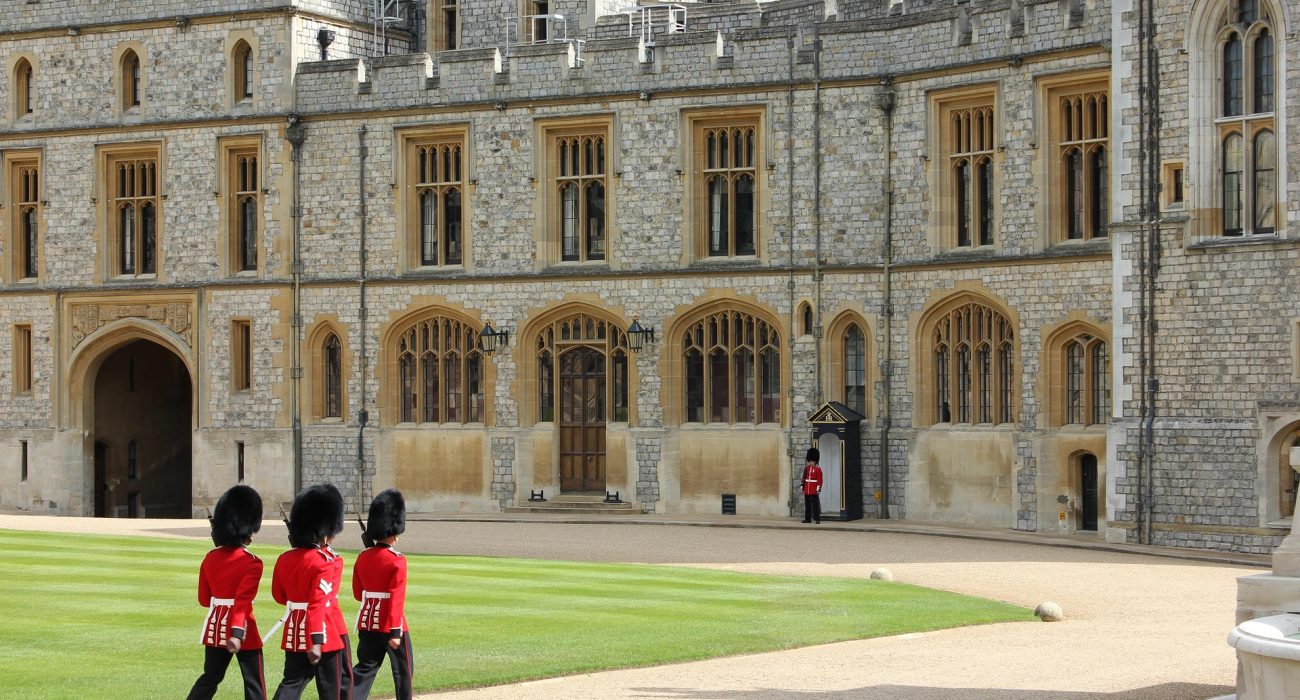
Senior figures from Norway’s shipping industry met with King Charles III last week at Windsor Castle for high-level discussions on accelerating the maritime sector’s transition towards low-carbon operations.
The meeting gathered chief executives and senior decision-makers from across the global shipping value chain. Participants represented vessel owners, ports, financial institutions, insurers, fuel suppliers, satellite technology firms and ocean sustainability organisations. Together, they examined how commercial shipping can move faster from climate ambition to real-world implementation.
Focus on Private Sector Leadership
The talks were hosted by the Sustainable Markets Initiative, the private-sector platform established by King Charles III to encourage corporate leadership on climate and environmental challenges. The platform aims to mobilise private capital and business action in sectors with high emissions.
During the session, executives discussed how the shipping industry can better align investment strategies with emerging clean energy technologies. At the same time, they explored how companies can prepare for tighter environmental regulation.
Scaling Up Decarbonisation
A central theme of the meeting was the need to scale commercially viable solutions for shipping decarbonisation. While pilot projects and demonstration vessels are increasing, industry leaders stressed that progress remains too slow.
Instead of focusing only on trials, participants argued that the sector must now deploy sustainable fuels and technologies across entire fleets. This includes building demand for alternative fuels and securing long-term supply agreements.
Regulatory Pressure and Market Reality
The meeting took place as global regulators continue to shape long-term climate policy for international shipping. With maritime transport carrying the majority of global trade, the industry faces growing pressure to cut emissions.
As a result, participants agreed that private sector leadership will play a decisive role. Regulation alone, they noted, will not deliver the scale of investment required.
Norwegian Industry Representation
Norwegian representation included Ståle Hansen, president and chief executive of marine insurer Skuld and a leading figure within the International Group of P&I Clubs. Hansen joined discussions on how insurers and financial stakeholders can help manage risk and unlock capital for low-carbon investments.
Meanwhile, Andreas Enger, chief executive of Höegh Autoliners, highlighted the importance of collaboration. He pointed to the need for shipowners, fuel producers and financiers to move in parallel.
From Projects to Global Deployment
Participants noted that progress is already visible through ammonia projects, alternative fuel initiatives and new dual-fuel vessel designs. However, they agreed that these efforts remain fragmented.
Therefore, the industry must now focus on building global clean energy supply chains. At the same time, it must reduce investment risk for first movers and strengthen cross-industry partnerships.
Ultimately, the Windsor discussions concluded with a shared view that zero-emission shipping will only succeed if it becomes commercially competitive at scale. Without that, the green transition will remain limited to isolated projects rather than industry-wide transformation.