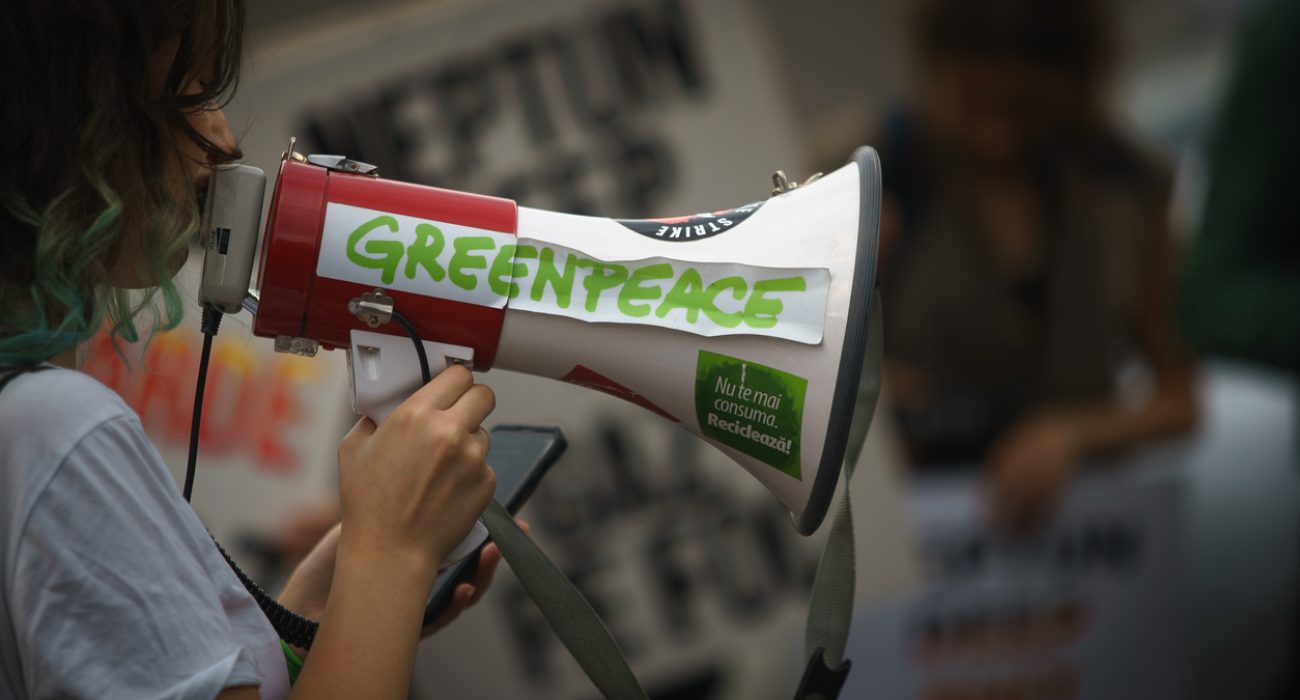
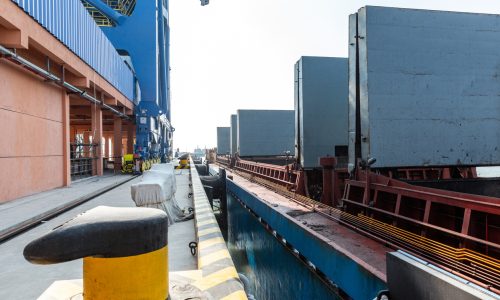
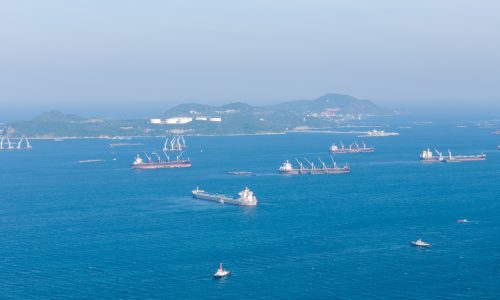
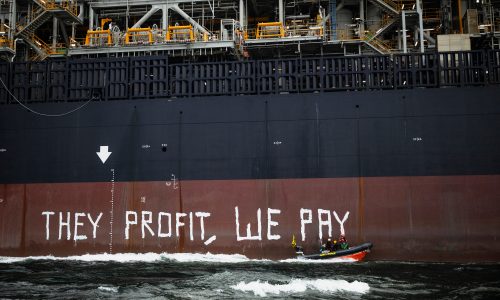
French police arrested four Greenpeace activists after they blocked the cargo vessel Mikhail Dudin from entering the Port of Dunkirk on March 2. The group used kayaks and small boats to position themselves in the port channel. They then secured themselves to a lock gate to prevent the ship from proceeding.
As a result, port authorities temporarily halted vessel movement. Police officers intervened after several hours and removed the demonstrators. Once officials cleared the lock, normal traffic resumed. No injuries occurred during the operation.
Protest Targets Uranium Imports
Greenpeace France said it organized the action to oppose France’s continued import of uranium linked to Russian suppliers. Specifically, the group called on the government to impose sanctions on Rosatom, Russia’s state nuclear energy company. According to the activists, the vessel arriving at Dunkirk carried uranium materials destined for French facilities.
Furthermore, the organization argued that ongoing nuclear trade undermines broader efforts to pressure Moscow economically. Greenpeace timed the protest just days before the World Nuclear Summit scheduled in Paris on March 10. In doing so, the group sought to draw political attention to maritime uranium shipments ahead of the international meeting.
Authorities Restore Operations
Police detained four protesters and reopened the lock gate. Consequently, port operations returned to normal shortly afterward. Officials did not disclose details about the ship’s cargo. However, they confirmed that the demonstration remained non violent despite the disruption.
Importantly, no confrontation occurred between the activists and the vessel’s crew. The situation remained controlled throughout the incident.
Security Implications for Shipping
This event underscores the operational risks that politically motivated protests can create for port infrastructure. Even short disruptions can delay vessel schedules and strain security resources. Therefore, shipping lines and terminal operators must assess exposure to activist actions, particularly when handling sensitive cargo.
As geopolitical tensions continue to shape global energy trade, European ports may face increased scrutiny. In response, authorities are likely to review maritime security procedures to ensure uninterrupted cargo flows and protect crews and infrastructure.