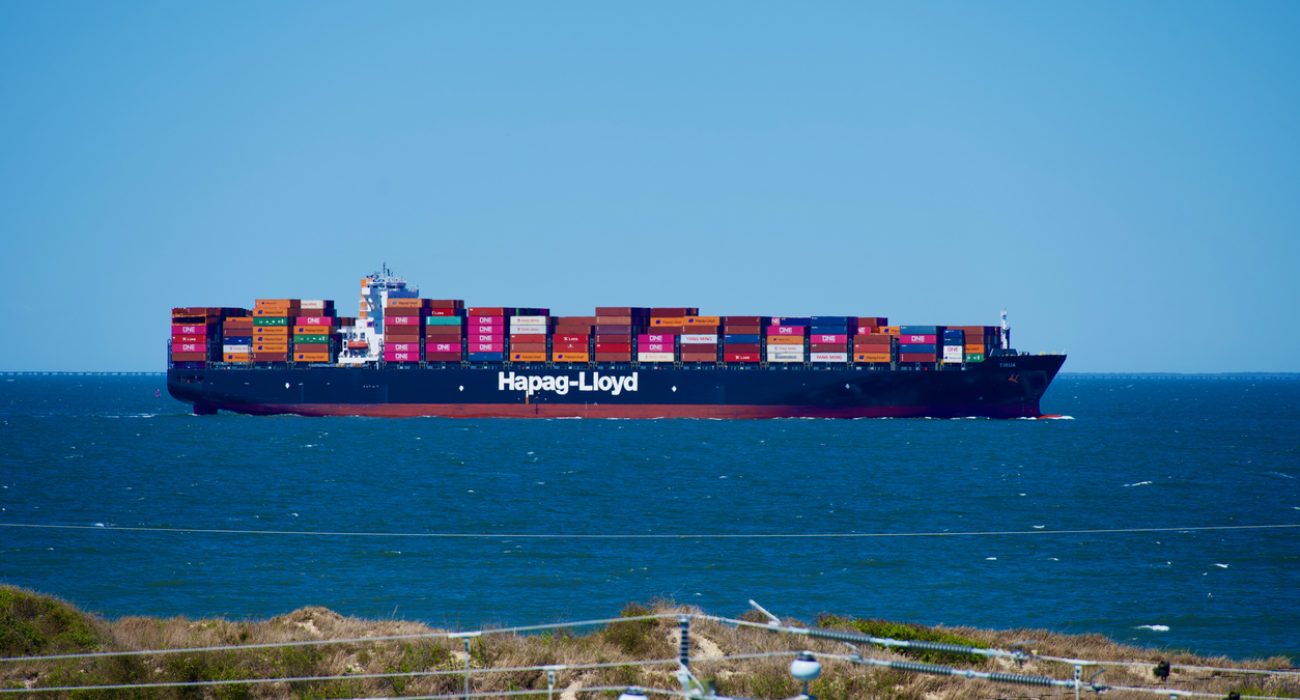
Hapag-Lloyd says the Middle East conflict is adding between $40 million and $50 million in weekly costs. The impact is rising as disruption in the region continues. Chief Executive Rolf Habben Jansen said the current level of spending cannot continue for long.
Gulf disruption strains vessels and crews
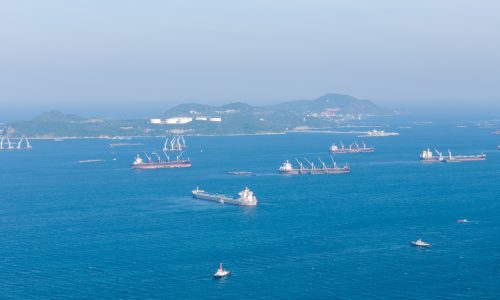
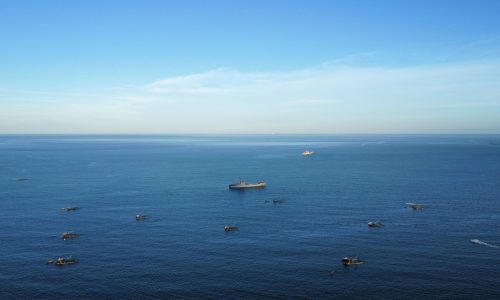
At present, six Hapag-Lloyd ships remain stranded in the Persian Gulf. Around 150 seafarers are on board. The company is supplying food and water while it works to resolve the situation. Management described the disruption as a serious operational challenge.
Strait of Hormuz closure disrupts global shipping
The crisis stems from the closure of the Strait of Hormuz to commercial shipping. Authorities imposed the restriction in late February after tensions escalated between the United States, Israel and Iran. As a result, container shipping lines now face renewed pressure on routing and scheduling. In addition, the closure is tightening already fragile global supply chains.
Financial outlook remains unchanged
Despite these challenges, Hapag-Lloyd has maintained its 2026 guidance. The group still expects EBITDA between $1.1 billion and $3.1 billion. EBIT is projected to range from a loss of $1.5 billion to a profit of $0.5 billion. Management expects to recover part of the additional costs later in the year.
Cost controls and alliance strategy take priority
To limit the impact, Hapag-Lloyd is strengthening cost control measures. At the same time, the carrier is using synergies from its cooperation with Maersk. However, risks remain. If the conflict continues, cargo demand could weaken. In that case, the disruption would move beyond short term costs and start to affect container shipping volumes and earnings.