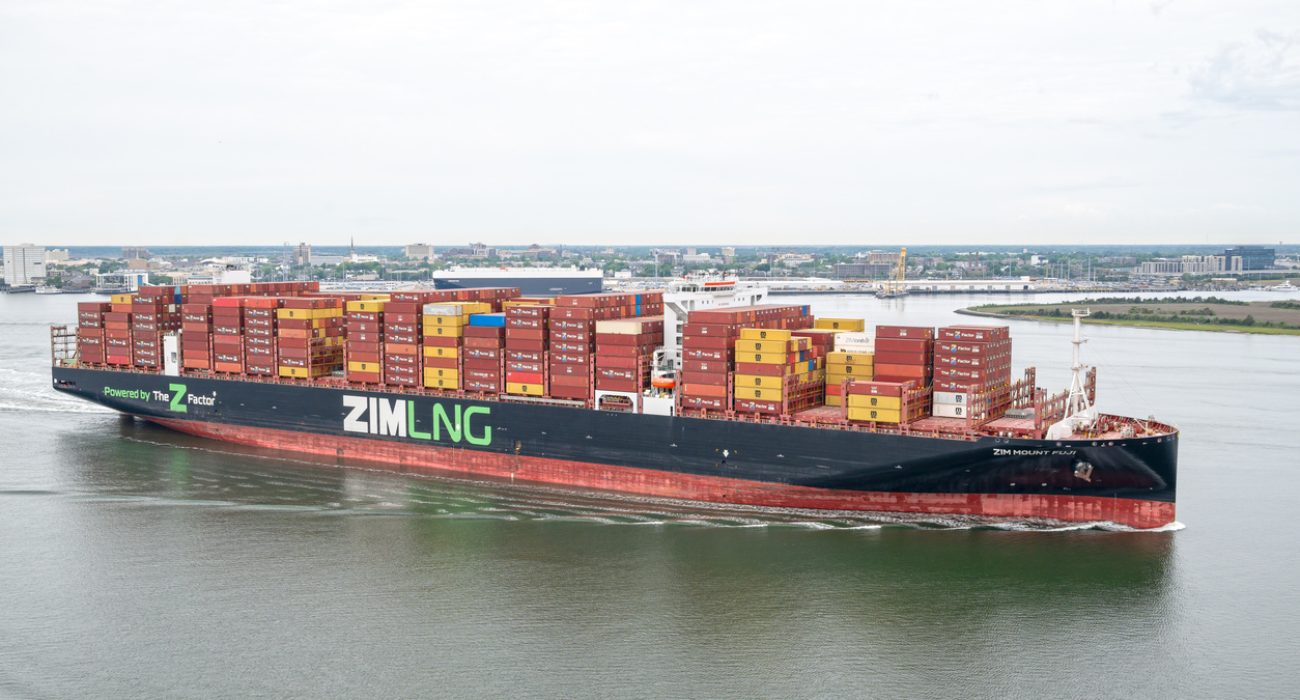
German liner operator Hapag Lloyd is negotiating a potential takeover of Israel based container carrier ZIM Integrated Shipping Services, a move that could reshape competition across several global container trades.
The discussions remain preliminary and no binding agreement has been signed. However, market sources indicate the companies are examining a structure that would satisfy regulatory and national interest conditions in Israel.
Ownership structure under review
A central issue is Israel’s special government control mechanism, commonly known as a golden share. This provision allows authorities to block ownership changes that could affect national transport security.
To address this requirement, Hapag Lloyd is working with Israeli investment firm FIMI Opportunity Funds. Under the proposed framework, the German carrier would take over international liner activities while the domestic fleet and strategic services would remain under Israeli control through the local partner.
Such a split structure would allow the transaction to proceed without violating national shipping safeguards.
Scale and strategic impact
ZIM operates a globally deployed container fleet across Asia Europe and transpacific trades. Hapag Lloyd already ranks among the world’s largest carriers by capacity. Combining operations would expand network coverage and vessel deployment flexibility without waiting for newbuild deliveries.
Industry analysts view the move as part of ongoing consolidation among container lines. Operators continue seeking scale efficiencies following volatile freight markets and rising operating costs.
Workforce and government reaction
Labor representatives at ZIM headquarters in Haifa have expressed concern about employment security and corporate identity. Authorities are also reviewing the proposal to ensure continuity of national maritime transport capability.
Regulatory approval remains the decisive hurdle. Until consent is granted, negotiations cannot progress to a definitive agreement.
Market implications
If completed, the transaction would remove another independent carrier from the public market and strengthen alliance level competition in key east west routes. The deal would also highlight how geopolitical considerations now influence liner consolidation as much as commercial strategy.