Escalating tensions involving Iran are placing Gulf food supply chains under strain as shipping disruptions ripple through the Strait of Hormuz. The situation is testing regional food security strategies that depend heavily on imported goods transported through one of the world’s most important maritime corridors.
For Gulf countries that import roughly 80 to 90 percent of their food, stable shipping routes are essential. Analysts warn that continued disruption to vessel traffic could quickly translate into higher prices and tighter supply, particularly for perishable goods.
Strait of Hormuz Disruption Hits Maritime Food Supply Chains
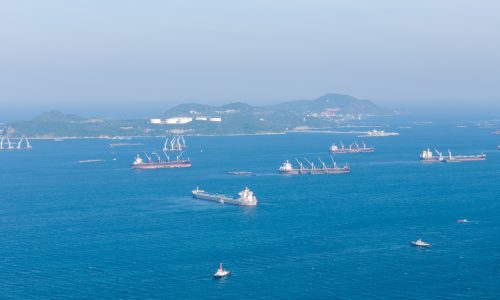
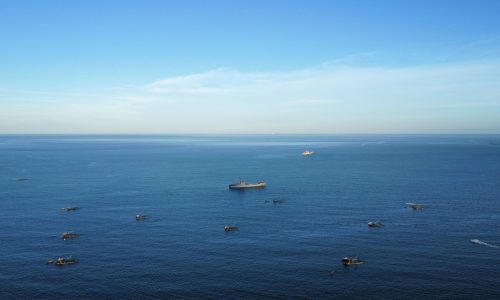
The Strait of Hormuz remains a critical chokepoint for global shipping. Any interruption to vessel movements immediately affects cargo flows to Gulf ports.
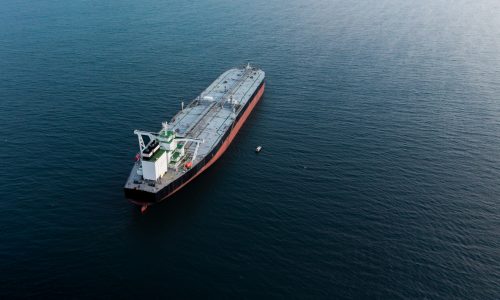
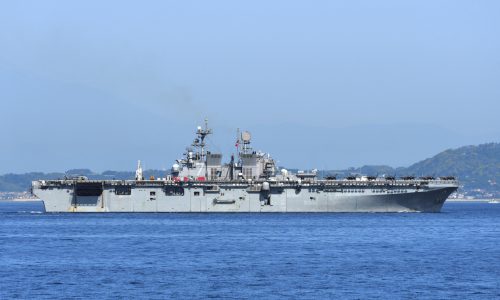
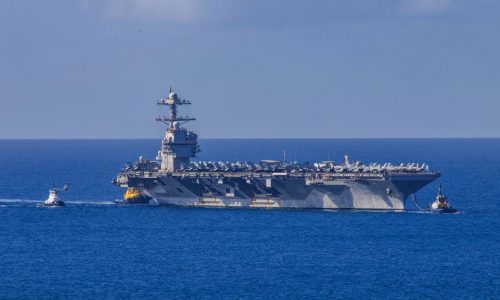
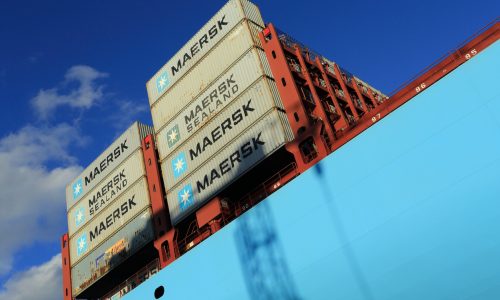
Recent military escalation has increased security risks for merchant vessels operating in the Gulf region. Some shipping companies have suspended operations or diverted vessels while insurers reassess war risk exposure and freight markets react to the growing uncertainty.
These disruptions are now threatening a food import system that Gulf governments have developed over the past two decades.
Gulf Food Security Strategy Faces a Major Test
Following the global food price crisis in 2008, Gulf states reshaped their food security policies. Governments reduced reliance on domestic farming and focused instead on securing overseas food supplies and building robust import logistics.
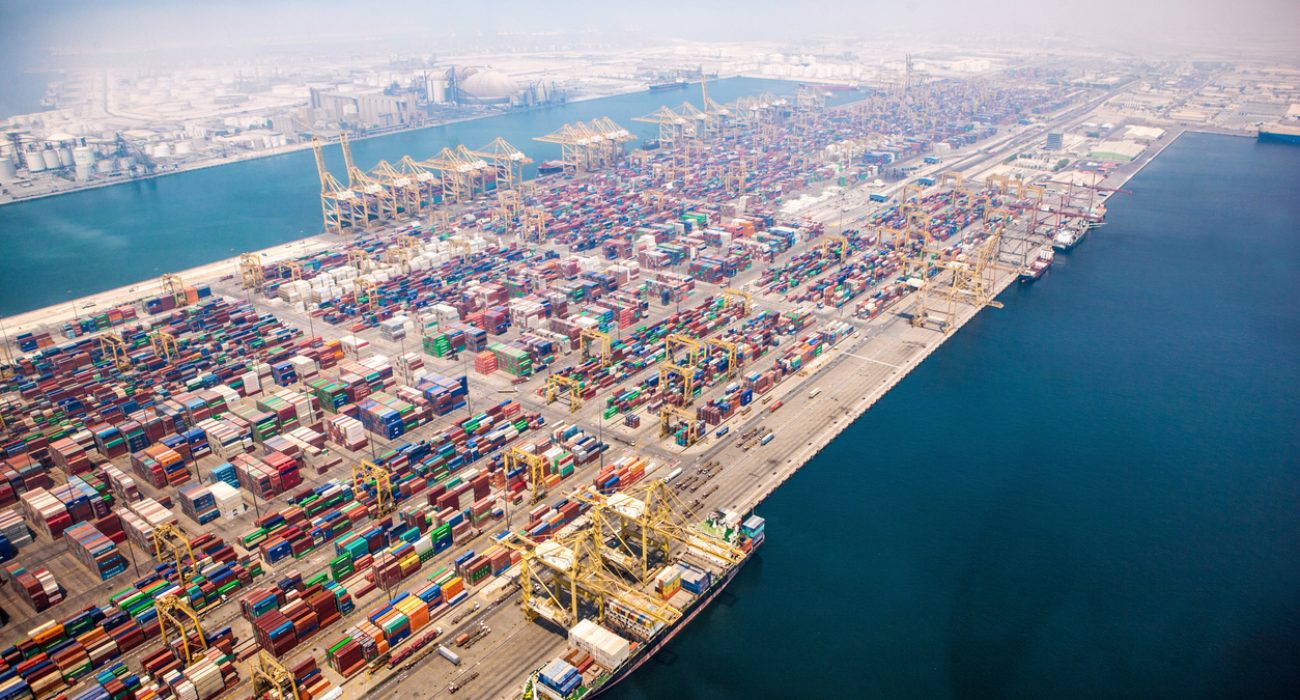
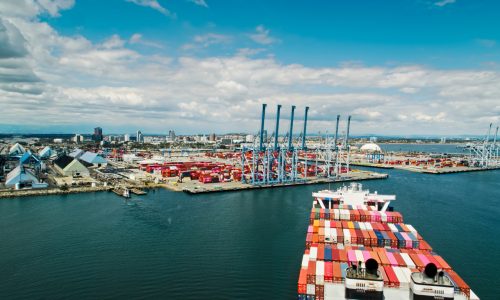
Investment flowed into farmland abroad as well as port infrastructure and storage capacity across the Gulf. Major logistics hubs such as Jebel Ali became central nodes in the region’s food supply chain.
However, the current conflict is raising questions about how resilient those maritime supply routes remain under sustained geopolitical pressure.
Officials note that the region maintains large strategic food reserves. Grain silos and expanded storage capacity in locations such as Fujairah and other Gulf ports were designed to cushion temporary supply shocks.
Limited Alternatives to Hormuz Shipping Routes
Despite these safeguards, rerouting food shipments away from the Strait of Hormuz presents major logistical constraints. Regional ports have limited capacity to absorb large volumes of diverted cargo, while air freight or overland transport significantly increases costs.
If disruptions persist, governments may need to intervene to stabilize food prices and maintain supply.
Regional Cooperation May Become Critical
Analysts say closer coordination among Gulf Cooperation Council states could help mitigate supply disruptions if the conflict continues. Shared logistics networks and coordinated management of food reserves could provide an additional buffer.
For now, inventories remain sufficient. However, longer transit times and shipping delays are already increasing costs across Gulf food import supply chains. Continued instability around the Strait of Hormuz would expose the region’s heavy dependence on global maritime trade routes.