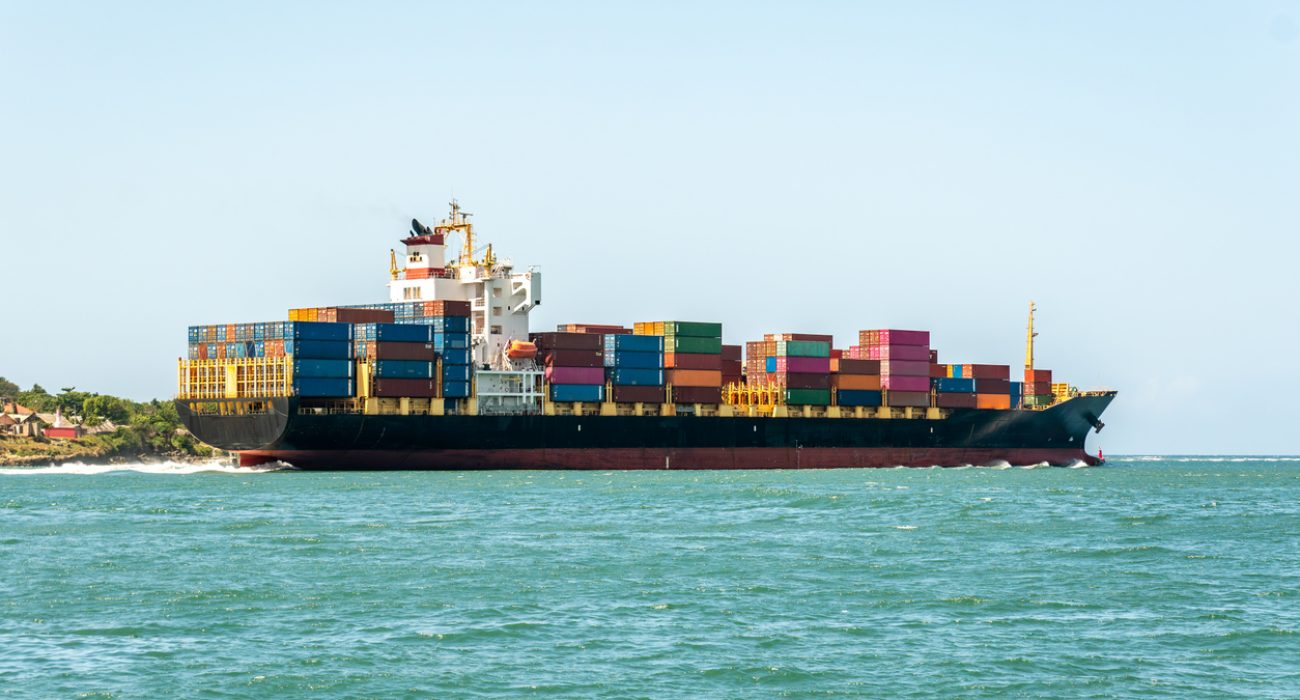
Disruption in the Strait of Hormuz is beginning to reshape global shipping patterns, with a little used port in Kenya emerging as an unexpected beneficiary of the crisis.
As security risks escalate in the Gulf, shipowners and charterers are actively seeking safer routes and alternative hubs. This shift is driving new interest in East African ports, particularly Kenya’s Lamu port, which has until now seen limited commercial use.
Shipping reroutes create new trade pathways
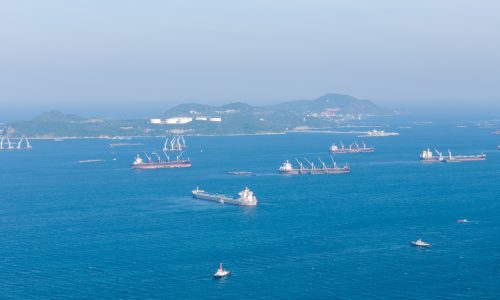
The reduction in vessel traffic through the Strait of Hormuz is forcing operators to reconsider established routes. Instead of relying on Gulf transshipment hubs, some cargo flows are now being redirected toward the Indian Ocean and East Africa.
Lamu port is positioned along these alternative routes. As a result, it is starting to attract attention as a potential logistics node for cargo moving between Asia, Africa, and beyond. This reflects a broader trend of shipping adapting quickly to geopolitical risk.
Lamu port gains strategic relevance
Lamu was developed as part of a long term infrastructure plan to expand regional connectivity. However, utilisation has remained low due to limited cargo volumes and supporting infrastructure.
The current disruption is changing that dynamic. Increased interest from shipping operators is improving the port’s strategic profile. In addition, regional governments are looking to accelerate development to capture new trade flows.
East Africa enters the shipping equation
The shift highlights how quickly global shipping networks can evolve under pressure. Ports that previously played a minor role can gain importance when traditional routes become unstable.
For East Africa, this presents an opportunity to strengthen its position in global trade. However, infrastructure readiness and operational capacity remain key challenges.
Crisis drives long term structural change
The situation also underlines the broader impact of the Hormuz disruption on maritime logistics. As risks persist, shipowners are likely to continue diversifying routes and port calls.
This could lead to lasting changes in shipping patterns, with new hubs emerging outside traditional corridors. For Lamu and similar ports, the current moment may represent a turning point in their integration into global shipping networks.