Hundreds of Tankers Anchor in Gulf as Iran Conflict Disrupts Shipping
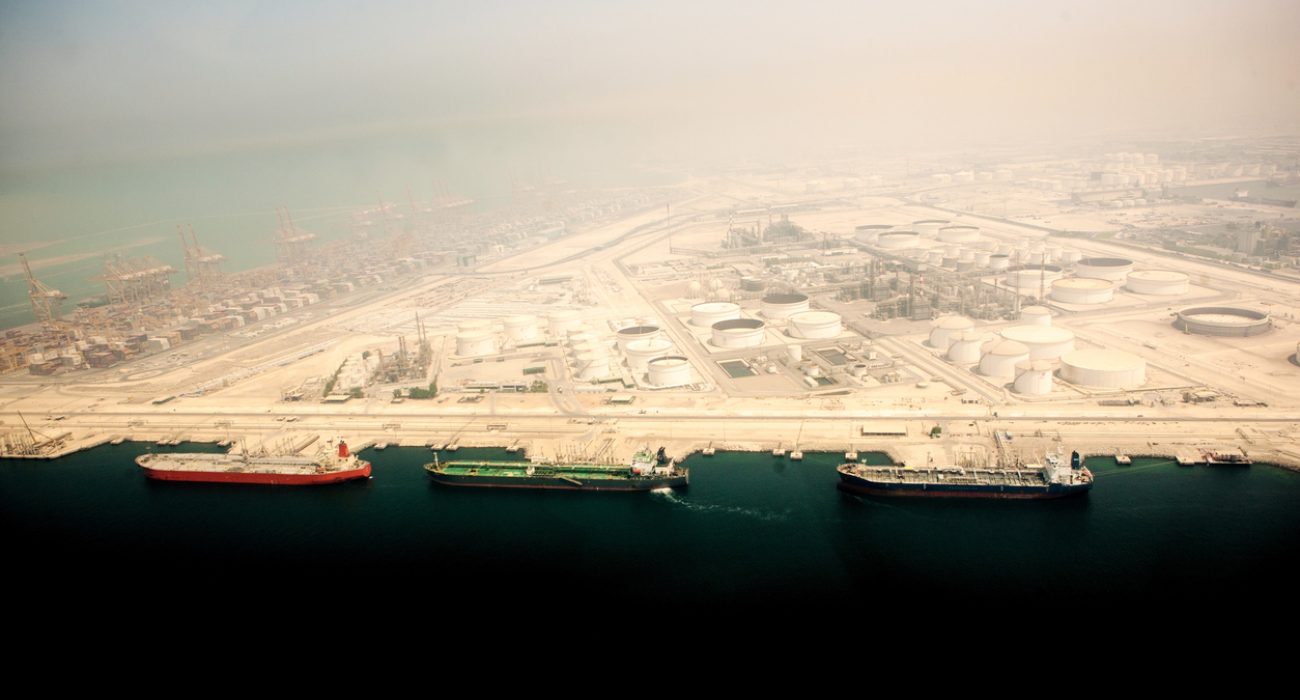
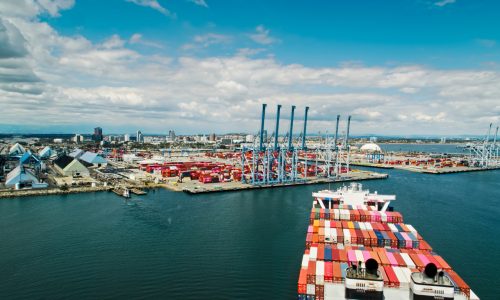
General view of Jebel Ali Port in Dubai, one of the largest commercial shipping hubs in the Gulf. Heightened regional tensions have led to altered tanker movements and increased anchorage activity across Gulf waters. Credit: iStock.
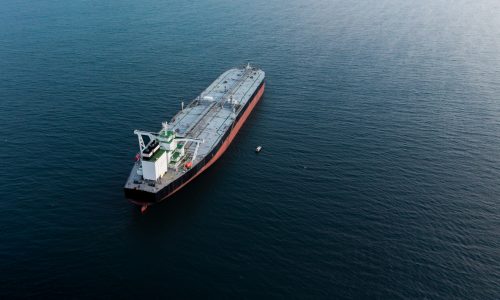
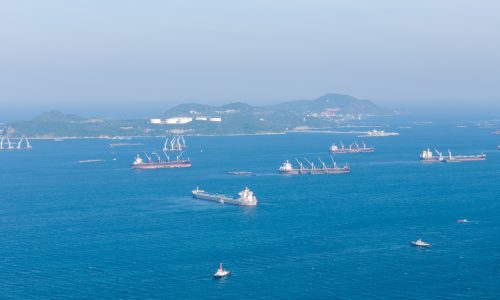
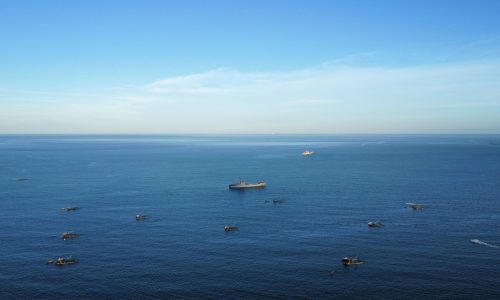
Commercial shipping activity across the Gulf shifted sharply after hostilities involving the United States, Israel and Iran intensified. Vessel tracking data shows that at least 150 crude oil and liquefied natural gas carriers have anchored outside the Strait of Hormuz transit corridor.
Masters moved vessels into open waters away from the narrow chokepoint as military activity increased. The Strait of Hormuz handles roughly one fifth of global oil trade and a significant share of LNG exports. Any sustained disruption directly affects tanker markets and energy supply chains.
Anchorage Clusters Near Major Exporters
Large groups of tankers are now positioned off the coasts of Iraq, Saudi Arabia and Qatar. Additional vessels remain at anchor within the exclusive economic zones of Kuwait and the United Arab Emirates.
Industry sources estimate that around 100 more tankers are anchored along the UAE and Oman coastlines and at designated waiting areas. Dozens of non energy cargo ships have also halted movements across multiple Gulf anchorages.
The buildup reflects a precautionary response rather than confirmed physical blockage of the waterway.
Uncertainty Over Strait Status
Reports circulated that Iranian authorities had ordered navigation through the Strait of Hormuz to stop. However, no formal closure has been communicated by recognized maritime authorities.
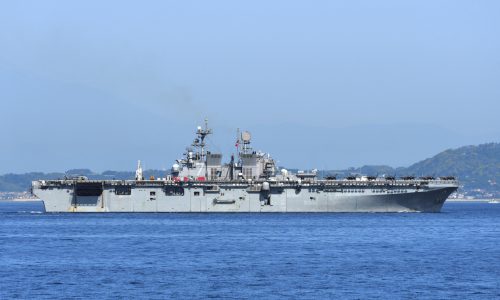
Even without an official shutdown, operators face rising operational risk. Increased naval deployments, tighter force protection measures and heavy anchorage congestion complicate voyage planning.
Market and Insurance Impact
Shipowners and charterers are reassessing routing decisions, charter party exposure and crew safety protocols. Delays at anchorage reduce effective vessel supply and could tighten tanker availability if the situation persists.
Marine insurers are monitoring developments closely. War risk premiums are likely to rise as underwriters adjust to heightened conflict exposure in Gulf shipping lanes.
For global maritime markets, the anchoring of hundreds of tankers underscores how quickly geopolitical tensions can reshape vessel movements. Freight volatility, insurance costs and energy logistics now hinge on stability in one of the world’s most critical shipping corridors.