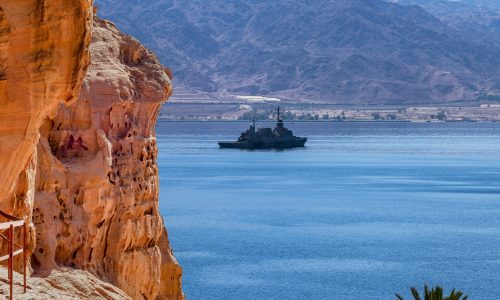
Global oil markets received emergency support after the International Energy Agency approved the largest coordinated release of strategic oil reserves on record. The decision aims to stabilize prices and maintain crude supply as shipping through the Strait of Hormuz faces severe disruption.
The move highlights the growing concern among governments and energy traders about the security of global oil transport routes.
Historic Emergency Oil Release
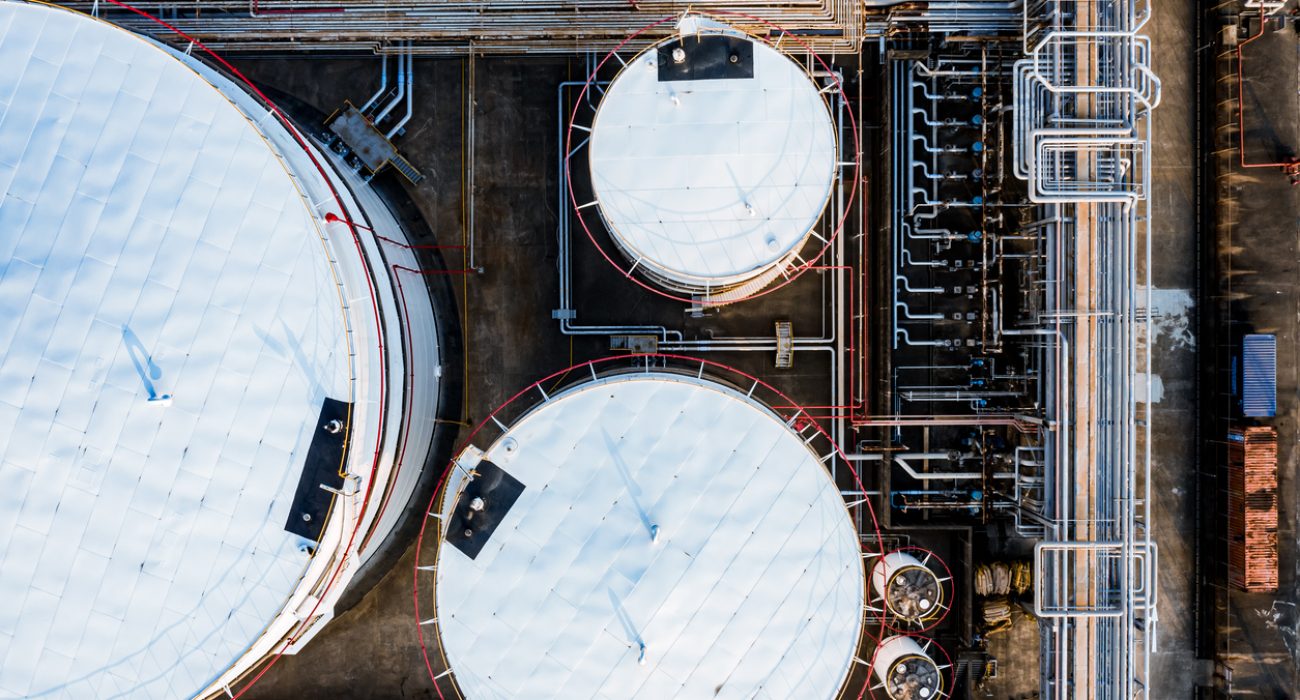
IEA member countries agreed to release 400 million barrels of crude oil from strategic reserves. The measure is designed to offset supply losses and calm volatile markets.
However, oil prices remain under pressure. Brent crude settled near 92 dollars per barrel, limiting the increase to about five percent. Earlier in the week prices briefly approached 120 dollars per barrel as traders reacted to the sudden supply shock.
Officials hope the emergency release will prevent further price spikes while tanker traffic in the Gulf remains uncertain.
Strait of Hormuz Disruption Cuts Global Supply
The closure of the Strait of Hormuz has removed roughly 15 million barrels per day of net supply from the global oil market. Worldwide demand currently stands near 100 million barrels per day, which makes the disruption significant.
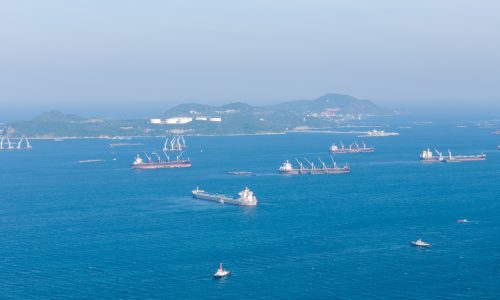
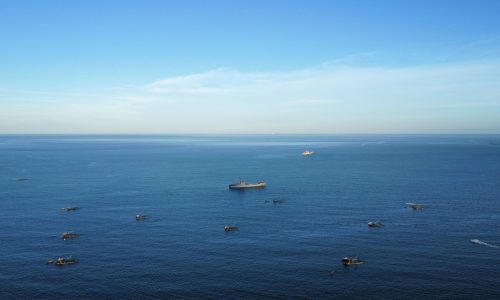
The narrow waterway normally carries a large share of seaborne crude exports from the Persian Gulf. As a result, tanker movements have slowed and producers have begun to reduce output.
For example, Iraq, Kuwait, and Saudi Arabia have already lowered production levels. In addition, analysts say the United Arab Emirates may also shut in wells if export constraints continue.
Saudi Arabia Expands Red Sea Export Route
Meanwhile Saudi Aramco has increased the use of the kingdom’s East West pipeline. The system transports crude oil from Gulf fields to the Red Sea port of Yanbu and bypasses the Strait of Hormuz.
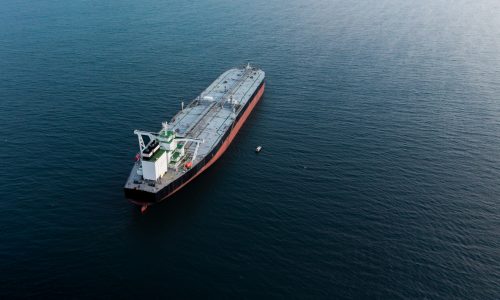
The pipeline is currently moving an additional four million barrels per day. Consequently more than two dozen oil tankers have shifted loading plans to Yanbu.
Nevertheless port capacity remains a challenge. Yanbu can load about 2.2 million barrels per day, which is far below the pipeline’s potential capacity of seven million barrels per day.
Rising Security Risks for Tanker Shipping
Security risks for commercial shipping in the region remain elevated. Attacks on vessels earlier this week damaged three ships and left one seafarer dead while three crew members are still missing.
At the same time war risk insurance costs have surged. Premiums for vessels entering the region have climbed to one to two percent of hull value for a single voyage.
To support the insurance market, the United States government has created a 20 billion dollar reinsurance program administered by Chubb to maintain war risk coverage for commercial shipping.
Energy analysts warn that a prolonged disruption in the Strait of Hormuz could reshape global oil trade flows and tanker routes for months.