Governments belonging to the International Energy Agency are preparing what could become the largest coordinated release of strategic petroleum reserves ever organized. The move aims to ease pressure on global oil supply and calm energy markets that rely heavily on maritime tanker transport.
Officials are considering the release as geopolitical tensions threaten crude flows from the Middle East. Shipping routes used by oil tankers remain critical for maintaining stable energy trade, and any disruption could quickly affect prices and fuel availability.
Strategic Reserves Could Support Global Oil Supply
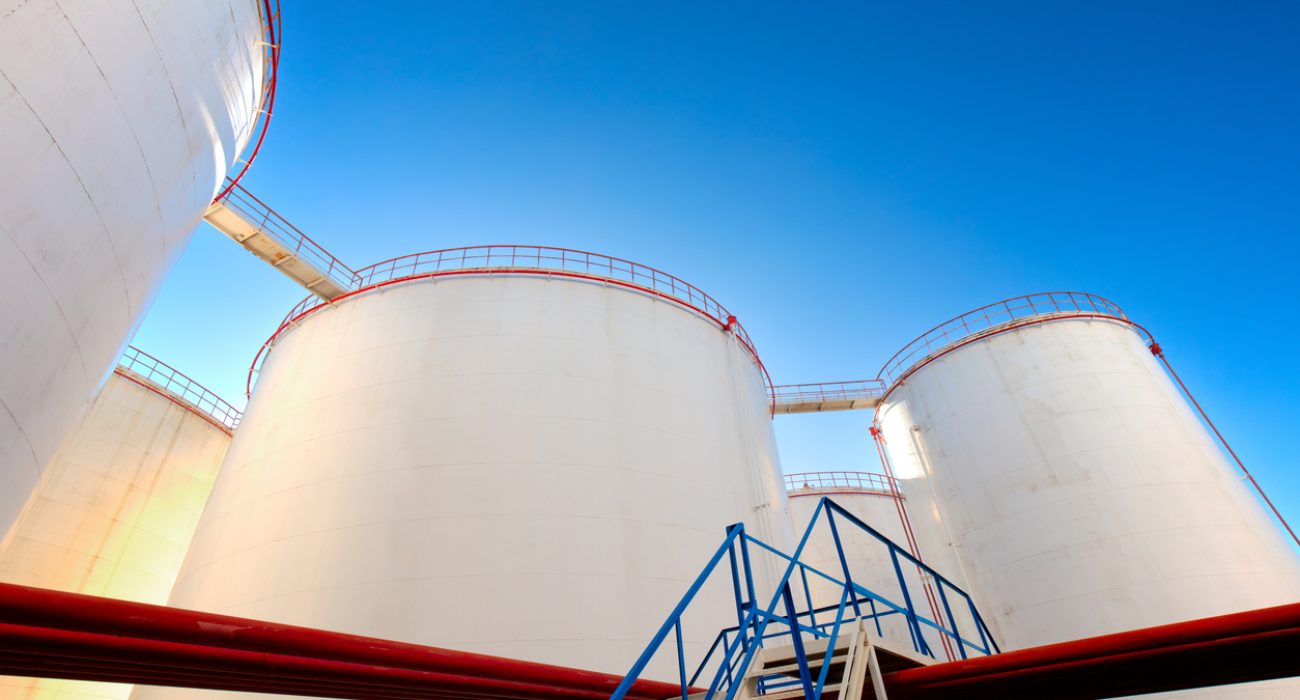
The proposed action would mobilize emergency oil stocks held by IEA member countries. These reserves exist to provide temporary supply during major disruptions to global energy markets.
By releasing crude from strategic storage facilities, governments can inject additional supply into international markets. The extra volumes would help offset shortages if exports from key producing regions decline.
Energy analysts say such releases often stabilize prices and support refinery operations that depend on steady crude deliveries by tanker.
Maritime Energy Transport Remains Essential
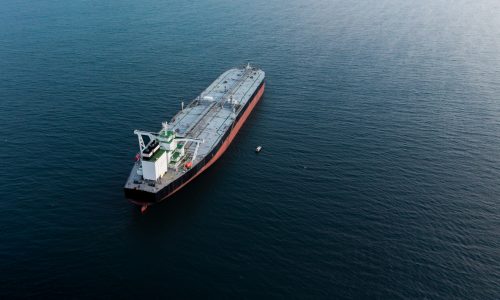
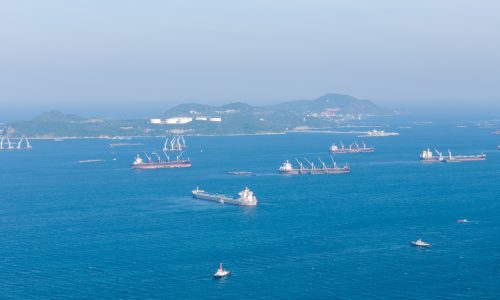
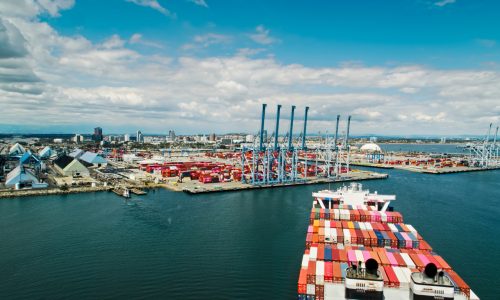
Oil moved from strategic reserves still relies on maritime logistics to reach international buyers. Tankers transport large quantities of crude between export terminals, refining centers, and storage hubs.
As a result shipping companies and tanker operators closely follow developments involving strategic petroleum reserves. Changes in supply levels can influence tanker demand, freight rates, and trade flows.
Any major release of oil stocks could increase shipping activity as cargo moves through global sea lanes.
Record Scale Reflects Market Pressure
The size of the proposed release would exceed previous coordinated actions taken by IEA member states. Governments have previously used similar measures during supply disruptions linked to war, natural disasters, or severe market imbalances.
However the current plan could represent the largest coordinated deployment of emergency oil reserves in history.
Energy markets are closely monitoring the discussions as policymakers evaluate the potential scale and timing of the release.
Shipping Industry Watches Energy Policy Decisions
Tanker operators, energy traders, and refinery companies continue to assess the possible impact of the proposal.
If implemented the reserve release could temporarily increase crude supply available for maritime transport. Additional cargo movements could support tanker demand across several major shipping routes.
For the global maritime sector the decision highlights how energy policy and strategic reserves remain closely tied to the stability of international shipping markets.