Ammonia Fuel Debate Intensifies as IMO Faces Waste Discharge Questions
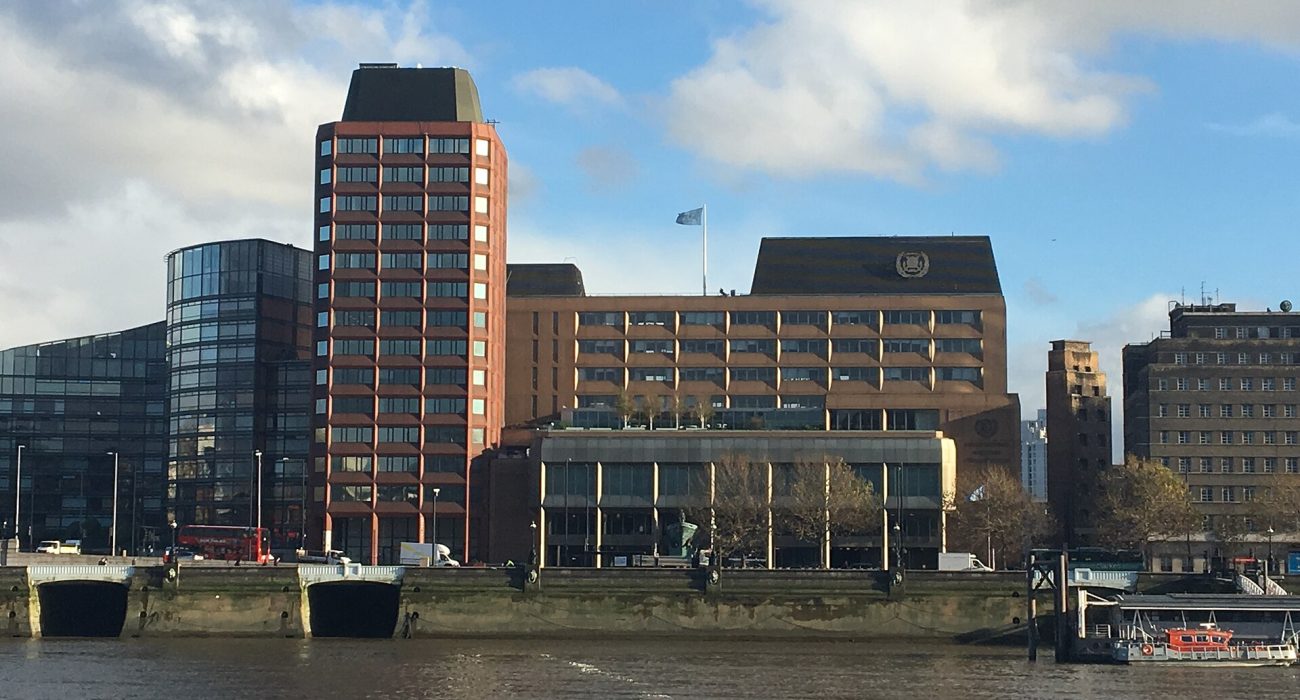
Headquarters of the International Maritime Organization in London, the global maritime regulator considering standards for ammonia fuel and environmental protection. Photo: Paul Gillett / Wikimedia Commons (CC BY-SA 4.0)
The International Maritime Organization is under growing pressure to clarify how ammonia related waste streams will be regulated as shipping moves toward alternative marine fuels.
Ammonia is emerging as a leading candidate for deep sea decarbonization. It produces no carbon dioxide at combustion. However, its environmental footprint depends on onboard handling practices and the treatment of residual waste.
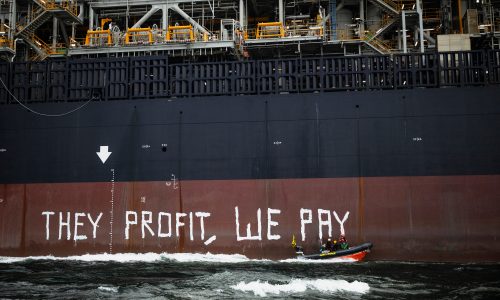
Environmental organizations have formally called on the IMO to prohibit any discharge of ammonia residues into the ocean. They argue that even limited releases could harm marine ecosystems due to ammonia toxicity.
Regulatory Gap Concerns
As member states refine safety and fuel standards for ammonia powered vessels, campaigners warn that pollution prevention rules may not yet fully address discharge scenarios. They are urging the IMO to integrate explicit safeguards within MARPOL and related environmental protection instruments.
The concern centers on wash water and other waste streams that may contain ammonia traces during fuel handling and engine operations.
Decarbonization Versus Ocean Protection
Shipowners and fuel developers are advancing ammonia projects to meet the IMO greenhouse gas strategy targets. The fuel’s carbon free combustion profile makes it attractive for long term compliance planning.
Yet critics caution that climate benefits must not come at the expense of marine water quality. They argue that regulatory clarity is needed before ammonia fueled vessels enter large scale commercial service.
Industry Implications
The outcome of the debate could influence vessel design, onboard treatment systems and fuel supply chain standards. Clear discharge rules would shape operational compliance requirements for early ammonia adopters.
The issue reflects a broader regulatory reality. Each alternative marine fuel introduces new technical and environmental variables. For ammonia, the central question now confronting the IMO is whether zero carbon at the stack must be matched by zero discharge at sea.