The International Maritime Organization has escalated its response to the Middle East security situation. It now describes the Strait of Hormuz as a maritime crisis. Attacks on commercial shipping continue to rise.
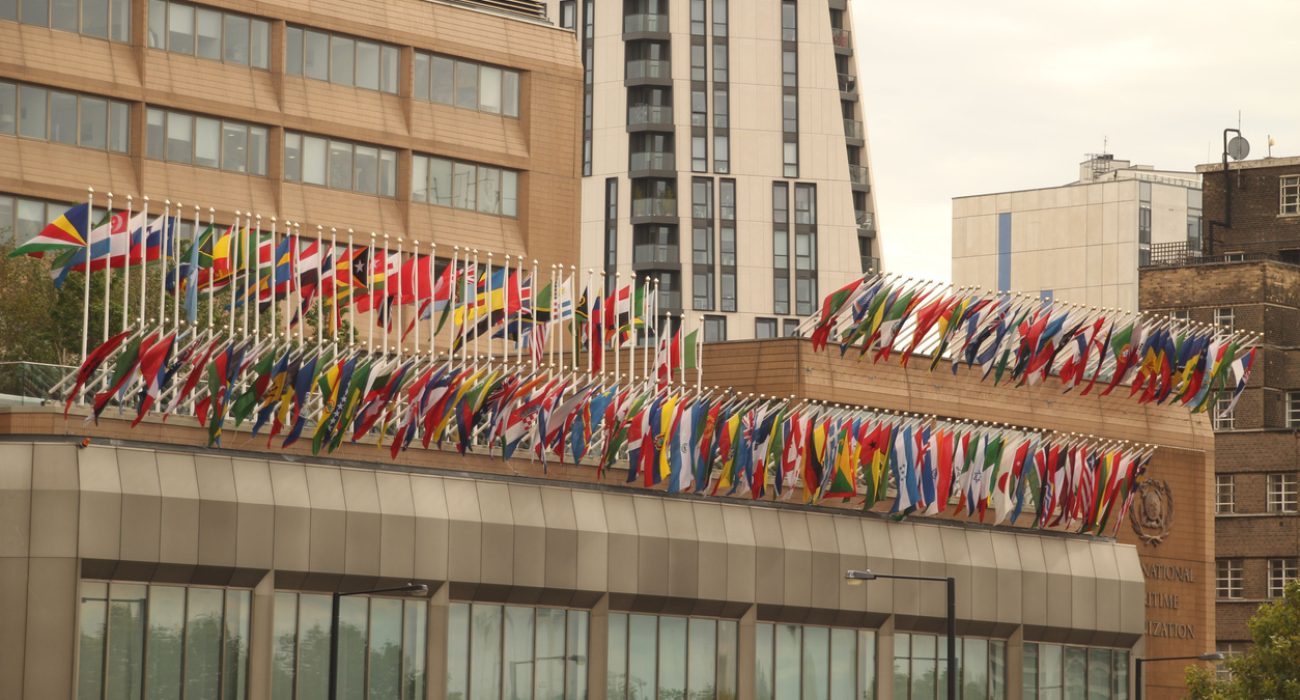
The warning followed an extraordinary IMO Council session in London. More than 120 member states attended. They reviewed a sharp increase in incidents across the Persian Gulf, Gulf of Oman, and Arabian Sea. As a result, the IMO said the situation now threatens global shipping directly.
Attacks challenge freedom of navigation
The IMO stated that recent attacks undermine maritime safety. They also interfere with transit through the Strait of Hormuz. Therefore, the council called on Iran to stop any actions that could restrict passage.
In addition, the IMO stressed that freedom of navigation must be protected under international law. Member states also referred to UN Security Council Resolution 2817 of 2026. This resolution treats disruption of key sea lanes as a threat to global peace. Overall, the message was clear. Inaction is no longer acceptable.
Seafarers face mounting risk
Meanwhile, crew safety has become a critical concern. The IMO urged an immediate halt to attacks on civilian vessels. It also called on governments to ensure ships receive essential supplies. These include food, fuel, and medical support.
At present, around 20,000 seafarers remain in high risk conditions. In addition, reports of fatigue and psychological stress are increasing. GNSS jamming and spoofing are also affecting operations. Therefore, Secretary General Arsenio Dominguez warned that seafarers must not become victims of geopolitical tensions.
Shipping flows begin to falter
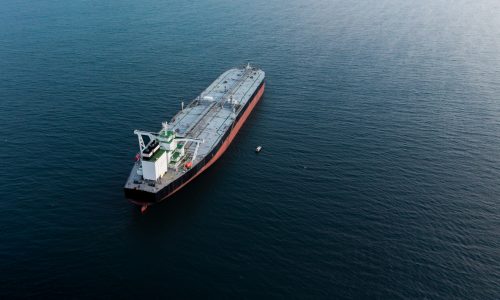
The crisis follows military actions involving the United States, Israel, and Iran. As tensions rise, maritime incidents have increased. More than 20 attacks on merchant vessels have been reported in recent weeks. Some incidents have resulted in fatalities and injuries.
As a result, shipowners and charterers are avoiding the route. Traffic through this key energy corridor is now declining. Consequently, concerns are growing over supply chains and market stability.
The IMO warned that continued disruption will have global consequences. These include impacts on trade, energy flows, and food security. Therefore, it called for restraint and urgent diplomatic action.