India Seizes Iran Linked Tankers, Raising Regional Shipping Tensions
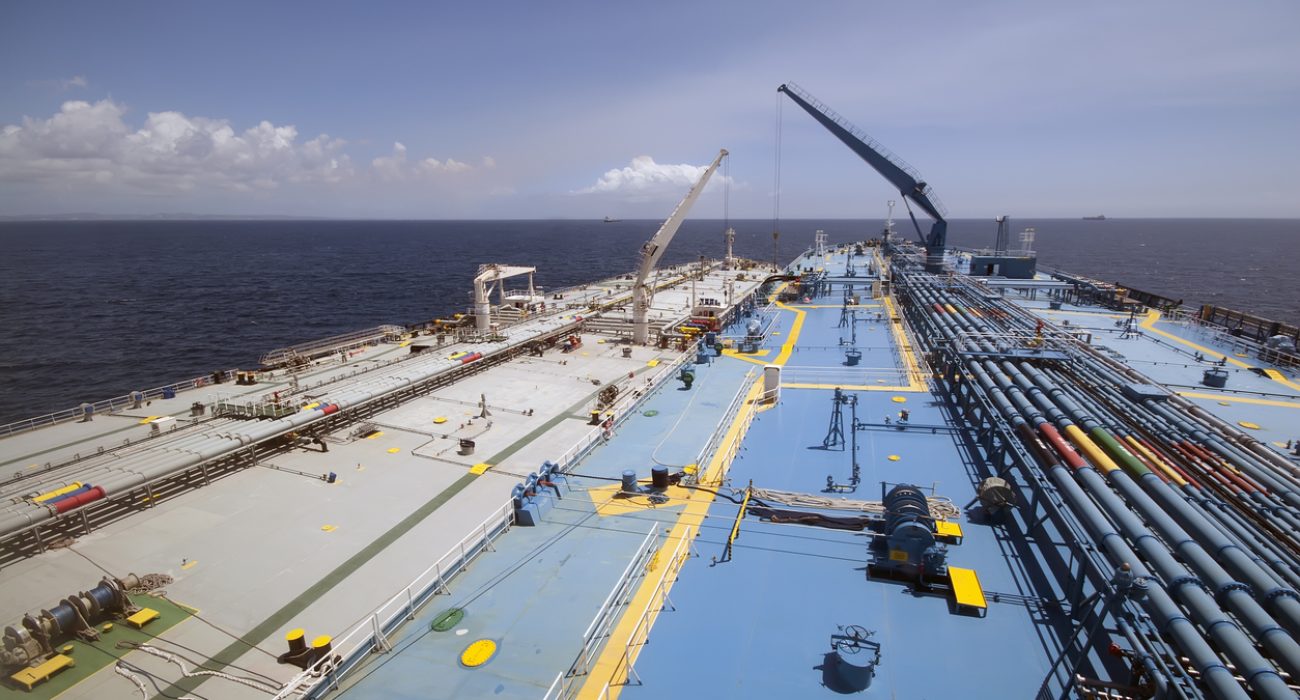
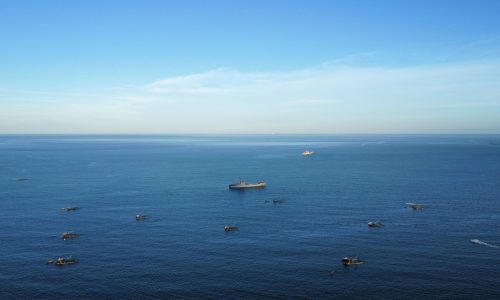
Ship to ship oil transfer at sea. Indian authorities detained tankers after monitoring offshore cargo transfers used to conceal fuel origin. Source: iStock
Indian authorities have detained three oil tankers suspected of involvement in sanctioned Iranian petroleum movements, tightening enforcement in the Arabian Sea and increasing compliance exposure for tanker operators trading near India’s west coast. The vessels Stellar Ruby, Asphalt Star and Al Jafzia were intercepted offshore after monitoring systems detected irregular ship to ship cargo transfers used to conceal fuel origin.
Officials escorted the ships to port for inspection and documentation checks as part of expanded surveillance inside India’s exclusive economic zone.
Suspected Shadow Trade Routes
Investigators focused on offshore transfer activity commonly used to obscure loading ports before cargo reaches refineries or storage terminals. Such movements often involve frequent changes of vessel identity and complex ownership structures designed to complicate sanctions enforcement.
Iran has denied direct links to the detained cargoes. However, maritime monitoring patterns indicated routes consistent with discounted crude flows moving through informal trading channels across the region.
Impact on Tanker Markets
India remains a major refining hub supplying fuel products to international buyers. Interruptions to tanker movements may force refiners to adjust sourcing strategies and seek alternative cargoes from higher priced suppliers.
For shipowners and charterers the incident highlights growing legal and financial exposure when handling cargoes without transparent documentation. Insurers and lenders increasingly require verified voyage histories and declared cargo origin before approving cover or financing.
Compliance and Political Implications
The detentions signal stricter oversight across the Indian Ocean energy corridor. Authorities are expected to expand monitoring of vessel movements and cargo records to prevent unauthorized transfers in national waters.
The case also carries diplomatic sensitivity as enforcement actions involving Iranian related shipments often intersect with broader geopolitical tensions. Operators trading in the area may need enhanced due diligence procedures to manage regulatory and commercial risk.