Controlled transit through a high risk shipping lane
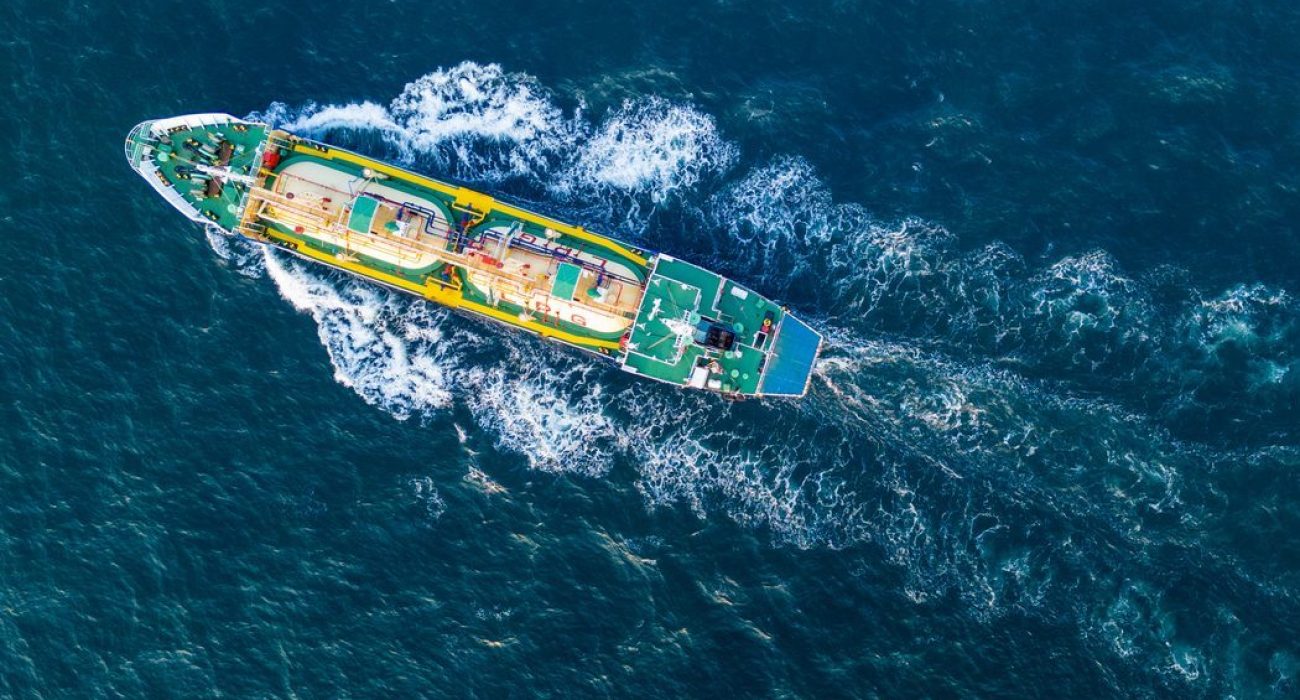
An Indian LPG carrier transited the Strait of Hormuz last week after receiving routing instructions from the Iranian navy, according to a senior crew member. The officer said the clearance followed diplomatic engagement by New Delhi. The vessel was one of two Indian ships that completed the passage.
The account suggests Tehran is selectively managing vessel movements through the strait. During the transit, the tanker remained in contact with Iranian naval authorities. The crew shared details including the vessel’s identity, flag, voyage route, and crew nationality. All seafarers onboard were Indian nationals. The ship then proceeded along a designated corridor.
Routing, AIS blackout and GPS disruption
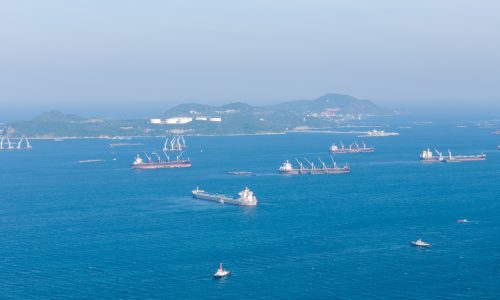
The vessel had been waiting at anchor in the Persian Gulf for around 10 days before receiving approval to sail on the morning of Friday March 13, with instructions to transit that night. Before departure, the crew prepared life saving equipment as a precaution.
The tanker crossed the strait with its AIS turned off and reactivated the system only after entering the Gulf of Oman. Shipping data confirmed the vessel’s departure and arrival positions. The crew also reported severe GPS interference during the passage, which extended transit time by several hours.
Wider pressure on energy shipping
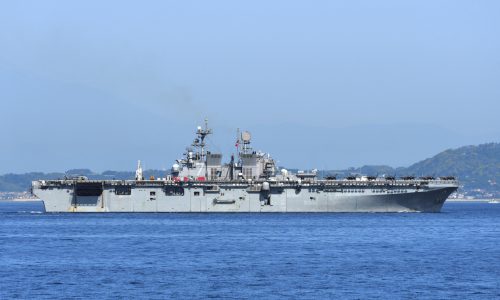
Recent transits have followed a narrow route between Larak and Qeshm islands near the Iranian coastline. Other vessels moving through the area included bulk carriers that had previously called at Iranian ports and a Pakistan flagged ship. On the eastern side of the strait, Indian naval units were positioned to escort the LPG carrier onward before it continued its voyage to India.
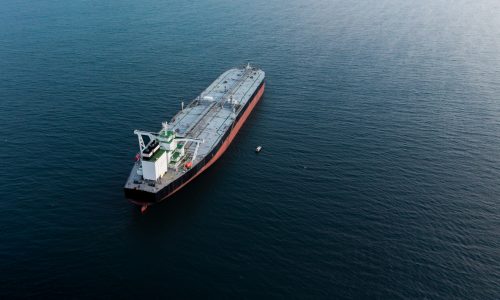
The Strait of Hormuz remains under acute pressure. Around 20 percent of global oil flows through the waterway. Since the conflict escalated in late February, multiple vessels have been struck by missiles or drones, resulting in fatalities and a sharp rise in insurance costs. There are also concerns that parts of the channel may be mined. Indian authorities and Iranian officials did not comment. Former Indian ambassador Anil Trigunayat said the incident demonstrates that diplomatic channels can still secure safe passage.