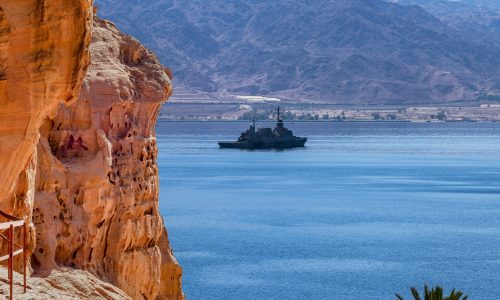
Two Indian liquefied petroleum gas carriers recently passed through the Strait of Hormuz in a rare transit that highlights how geopolitics is reshaping global shipping routes.
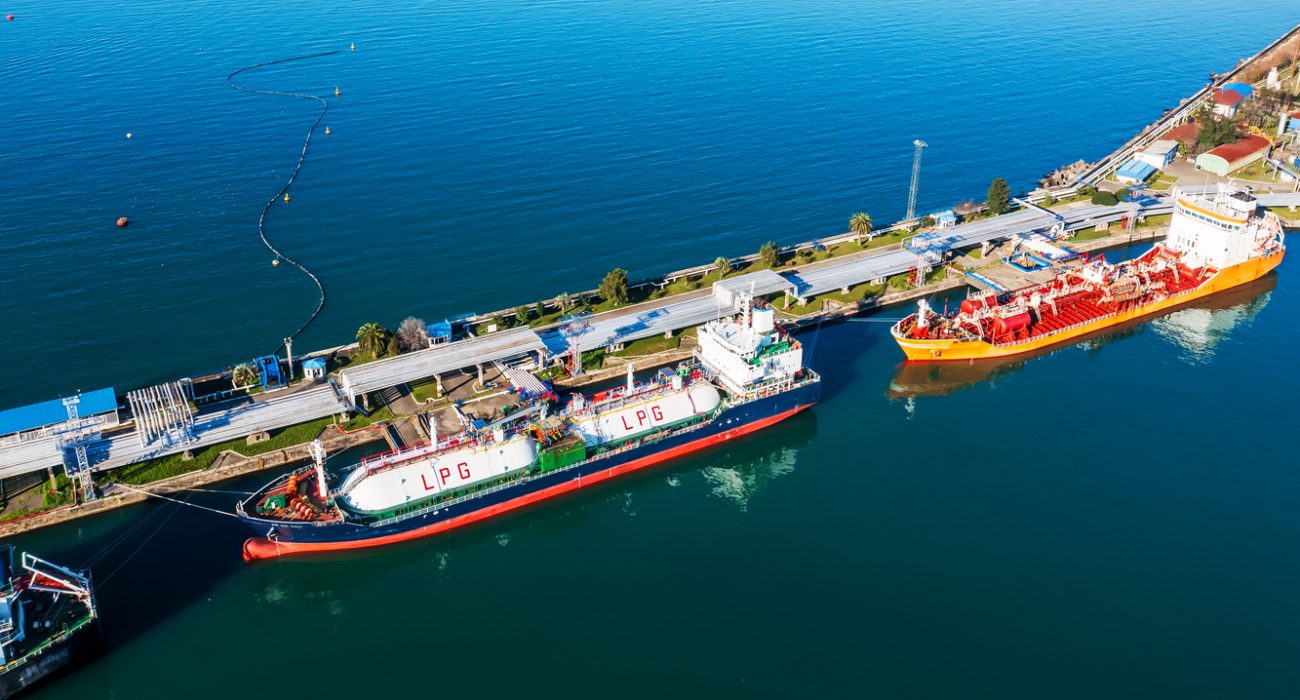
The vessels Shivalik and Nanda Devi successfully navigated the strategic waterway while carrying LPG cargoes bound for India. Both ships were chartered by Indian Oil Corp and together transported about 92,700 tonnes of liquefied petroleum gas.
Their passage attracted attention across the maritime sector because tanker traffic through the Strait of Hormuz has sharply declined during the recent escalation between the United States and Iran.
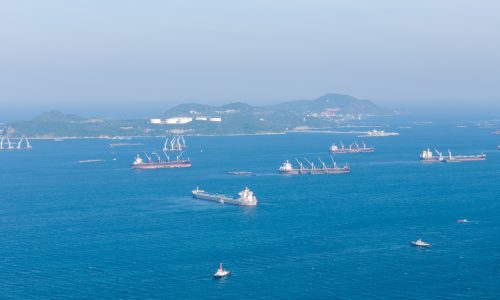
The narrow corridor links the Persian Gulf with global shipping routes. It normally handles roughly a quarter of the world’s seaborne oil flows. Any disruption in this chokepoint quickly affects tanker supply, freight rates, and global energy markets.
Rare Tanker Passage Through a High Risk Waterway
Security concerns have forced many shipowners to avoid the area in recent weeks. Military activity and threats against commercial vessels have raised insurance costs and increased voyage risk.
Against this backdrop, the successful transit of the two Indian LPG carriers stands out.
Shipping analysts say the voyages demonstrate that some cargo flows can still move through the strait under specific political conditions. However, most tanker operators remain cautious while tensions continue in the region.
Geopolitics Begins to Shape Tanker Access
The episode also signals a broader shift for global shipping.
Access to key maritime chokepoints may increasingly depend on diplomatic relationships rather than purely commercial factors. Countries with balanced political ties across the region may find it easier to maintain shipping routes during periods of conflict.
India has maintained working relations with multiple parties involved in the current tensions. This diplomatic position may have helped facilitate the passage of the two LPG carriers.
Maritime Industry Faces Uncertain Conditions
The situation in the Strait of Hormuz remains a major concern for the shipping industry.
Shipowners, charterers, and energy traders continue to monitor developments in the Gulf. If security risks persist, tanker operators may divert cargo flows away from the region.
Longer voyages would tighten vessel supply and could push tanker freight rates higher.
For global shipping markets, the transit of the Shivalik and Nanda Devi offers a rare example of continued movement through one of the world’s most sensitive maritime corridors. At the same time, it underscores a growing reality that political alignment may increasingly influence access to critical shipping routes.