Rising tensions involving Iran are pushing maritime insurance costs sharply higher in the Gulf. Shipowners and charterers now face rapidly increasing war risk premiums when vessels enter the region.
Marine insurance brokers report a steep increase in coverage costs for ships transiting the Strait of Hormuz. The waterway is one of the world’s most important oil shipping routes. Any disruption there immediately affects global energy supply chains.
War Risk Premiums Jump to 3 Percent
War risk insurance rates have risen sharply in recent days. Premiums that once averaged about 0.25 percent of a vessel’s value now reach as much as 3 percent for ships entering high risk Gulf waters.
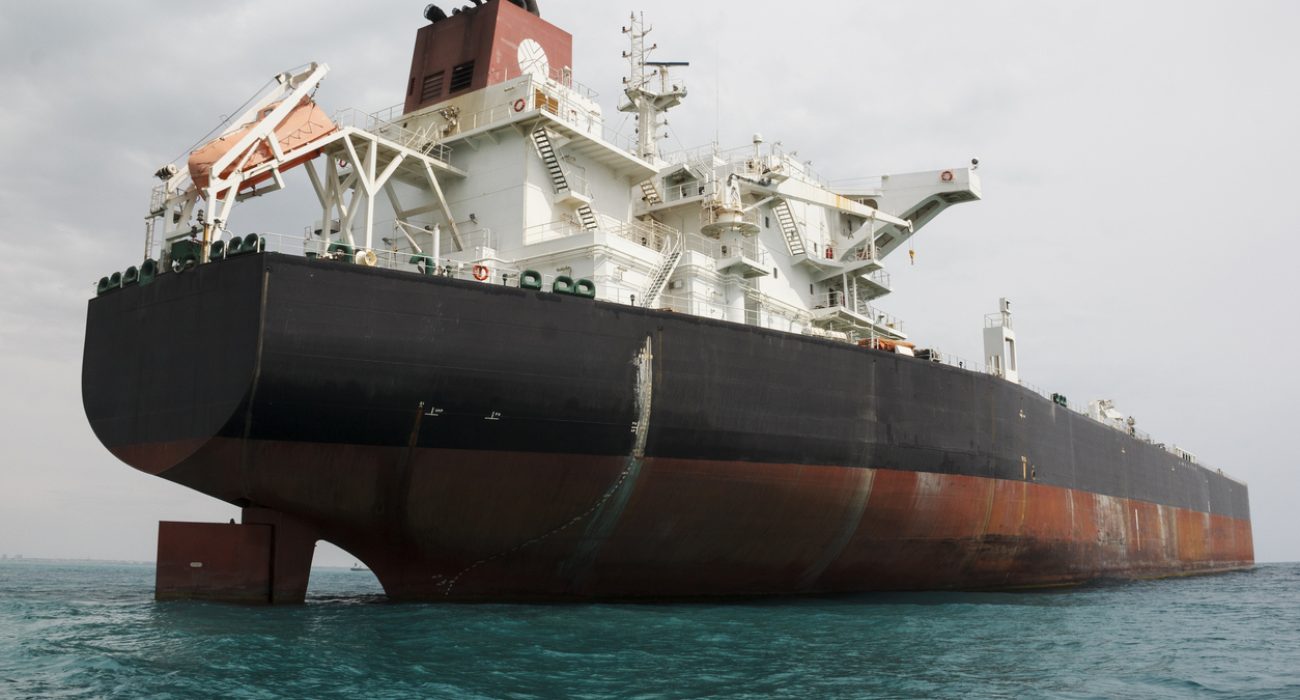
The increase creates a major financial burden for tanker operators. A modern oil tanker valued between 200 million and 300 million dollars may now face insurance costs of roughly 7.5 million dollars for a single voyage through the area.
Underwriters raised prices as security risks increased and uncertainty spread across the insurance market.
Strait of Hormuz Remains a Critical Chokepoint
The Strait of Hormuz carries a large share of global oil shipments. As a result, the waterway remains one of the most sensitive locations for international shipping.
Iran has warned that vessels moving through the strait could face attacks. Since tensions escalated, at least nine ships have suffered damage. The incidents raised concern across the shipping and insurance sectors.
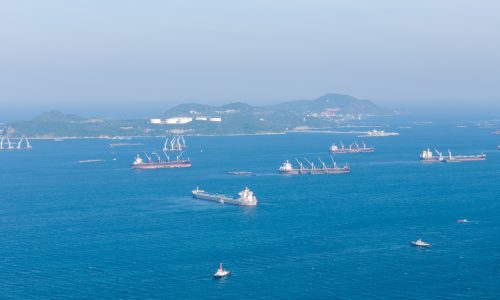
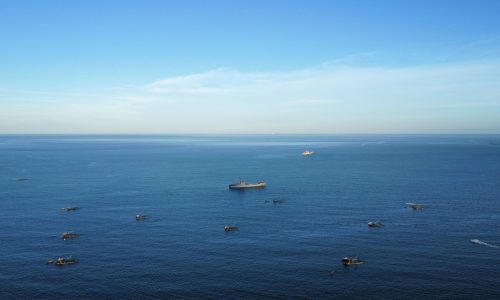
Shipping activity in the Gulf remains significant despite the risk. Industry estimates show around 1,000 vessels operating in the wider region. About half of them are oil tankers.
The total insured value of ships in the area is estimated at about 25 billion dollars. This exposure is forcing insurers to review their risk calculations.
Freight Rates Could Rise Further
Insurance brokers say premiums now depend heavily on vessel type, ownership structure, and voyage route.
Higher insurance costs usually lead to higher freight rates. This effect is particularly strong in crude oil and petroleum transport markets.
Analysts warn that prolonged instability near the Strait of Hormuz could tighten shipping capacity. It could also push energy transport costs higher worldwide.
Governments are now considering measures to protect shipping flows. Options include financial guarantees and naval protection for commercial vessels.