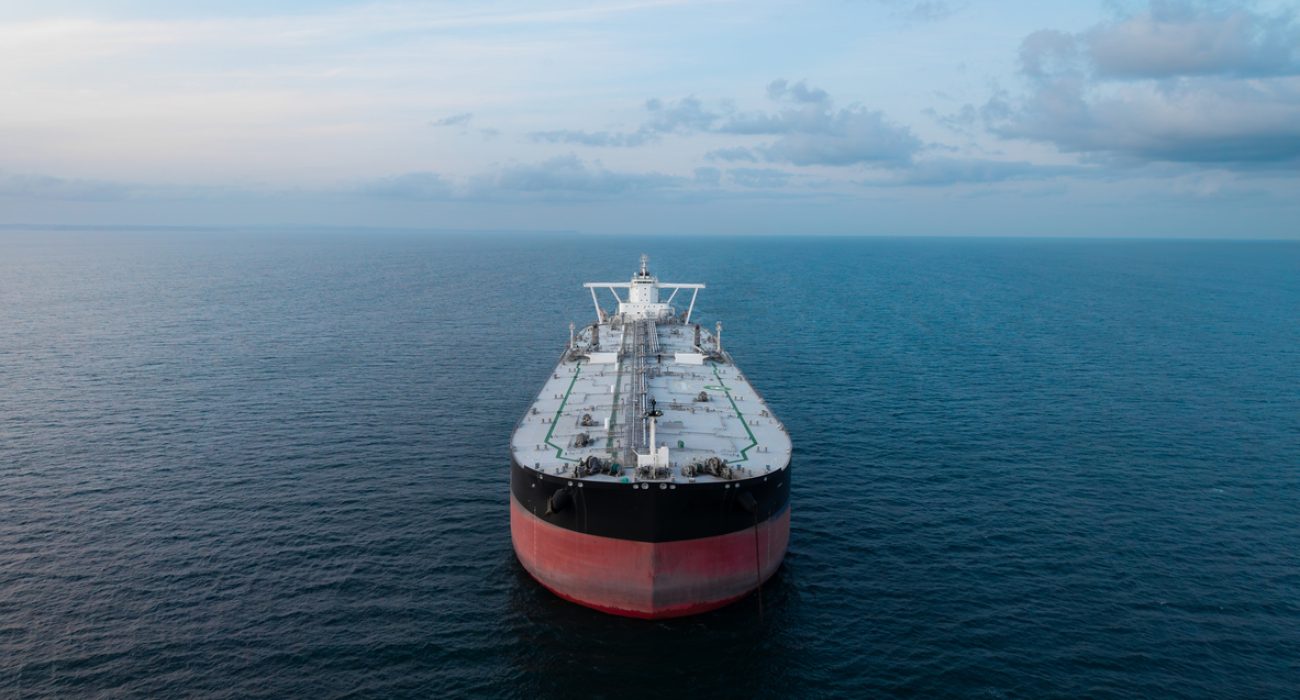
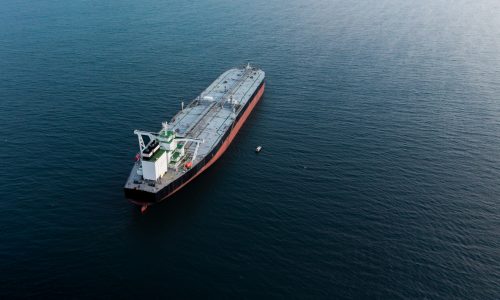
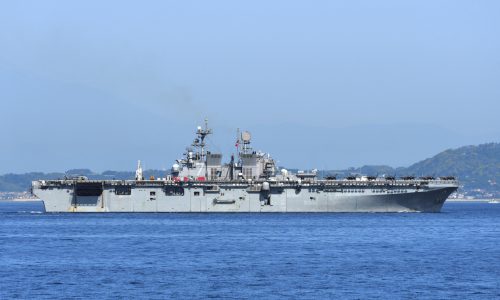
Iran is considering introducing transit charges for vessels passing through the Strait of Hormuz, a move that could reshape shipping economics along one of the world’s most critical maritime corridors.
The proposal comes as tensions in the region continue to disrupt vessel traffic and raise security concerns. Lawmakers in Tehran have indicated that charging ships for passage is under discussion as part of a broader response to the current crisis.
Key chokepoint at center of proposal
The Strait of Hormuz handles a significant share of global oil and gas shipments. Any change to access conditions would have immediate implications for global shipping and energy markets.
If implemented, transit fees would add a new layer of cost for shipowners and charterers already facing rising insurance premiums and operational risk. As a result, the measure could further discourage vessel traffic through the area.
Shipping economics under strain
Shipping companies are already adjusting routes and operations in response to heightened risk. Additional fees would increase voyage costs and may accelerate efforts to avoid the region where possible.
In addition, higher transit costs would likely be passed along the supply chain. This could affect freight rates, commodity prices, and overall trade flows.
Market participants are closely monitoring the situation, as even small changes in costs can have large effects across global shipping networks.
Legal and political implications
The proposal also raises questions about freedom of navigation under international law. The Strait of Hormuz is widely regarded as an international waterway, and restrictions or charges on transit could trigger diplomatic and legal challenges.
At the same time, the move reflects a broader shift in how maritime chokepoints are being used as leverage in geopolitical disputes. Control over strategic waterways is becoming an increasingly important factor in global trade dynamics.
Industry faces growing uncertainty
For the maritime sector, the potential introduction of transit fees adds another layer of uncertainty to an already volatile environment. Operators must now factor in not only security risks but also possible regulatory and financial barriers.
As the situation develops, shipping markets will need to adapt quickly. The outcome could redefine cost structures and routing decisions across one of the most important trade corridors in the world.