Iran has rejected a U.S. backed 15 point peace proposal aimed at ending the current conflict, dealing a setback to efforts to stabilize the region. The decision comes as tensions continue to affect maritime security in the Persian Gulf and the Strait of Hormuz, a key route for global shipping and energy flows.
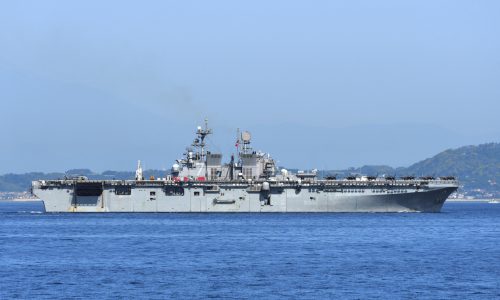
Officials in Tehran said the proposal failed to address core concerns, including security guarantees and the presence of foreign forces in the region. The rejection signals that a near term resolution remains unlikely, keeping pressure on shipping markets.
Limited impact on shipping conditions
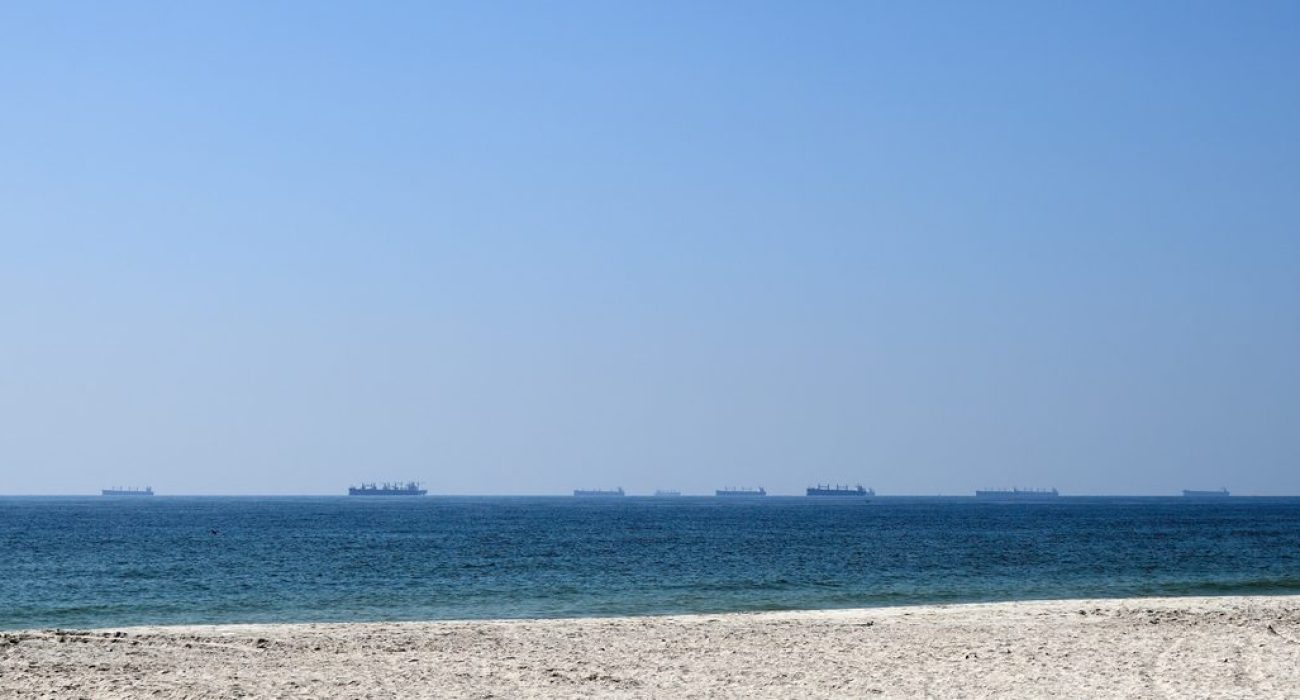
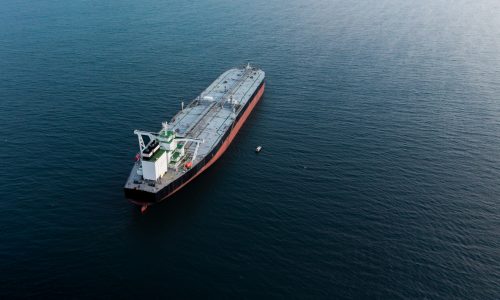
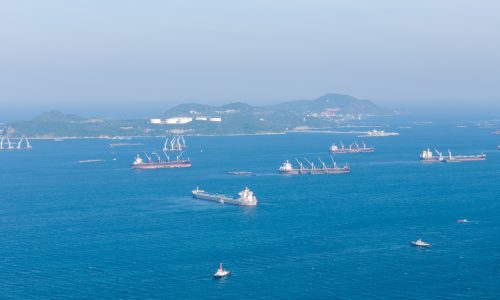
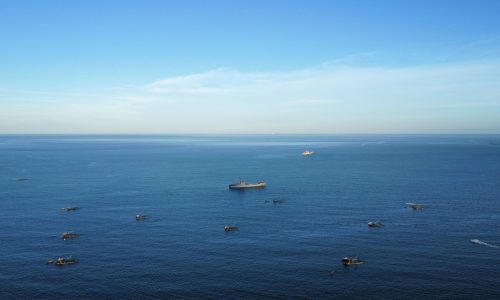
Despite the diplomatic move, conditions at sea have shown little immediate change. Vessel traffic through the Strait of Hormuz remains constrained. Shipowners continue to assess risk before entering the region, particularly for tankers and gas carriers.
Iran has maintained that navigation is still possible for certain vessels, especially those coordinating with its authorities. However, uncertainty over transit conditions continues to shape routing decisions and insurance costs.
Oil markets react but volatility remains
Oil prices eased following news of the proposed peace framework, but the relief proved limited. Traders remain cautious as the risk of escalation persists. The Strait of Hormuz carries a significant share of global crude oil and LNG shipments, making any disruption a major concern for energy markets.
Shipping companies are closely monitoring developments, as prolonged instability could tighten vessel supply and increase freight rates.
Asian importers face ongoing exposure
Countries in Asia remain highly exposed to disruptions in Gulf energy flows. India and other major importers continue to track vessel movements and supply availability. Any delay or restriction in Hormuz transit could affect fuel availability and pricing across key markets.
Iran has linked long term stability in the region to broader security changes, suggesting that maritime risks will remain tied to the wider geopolitical environment.