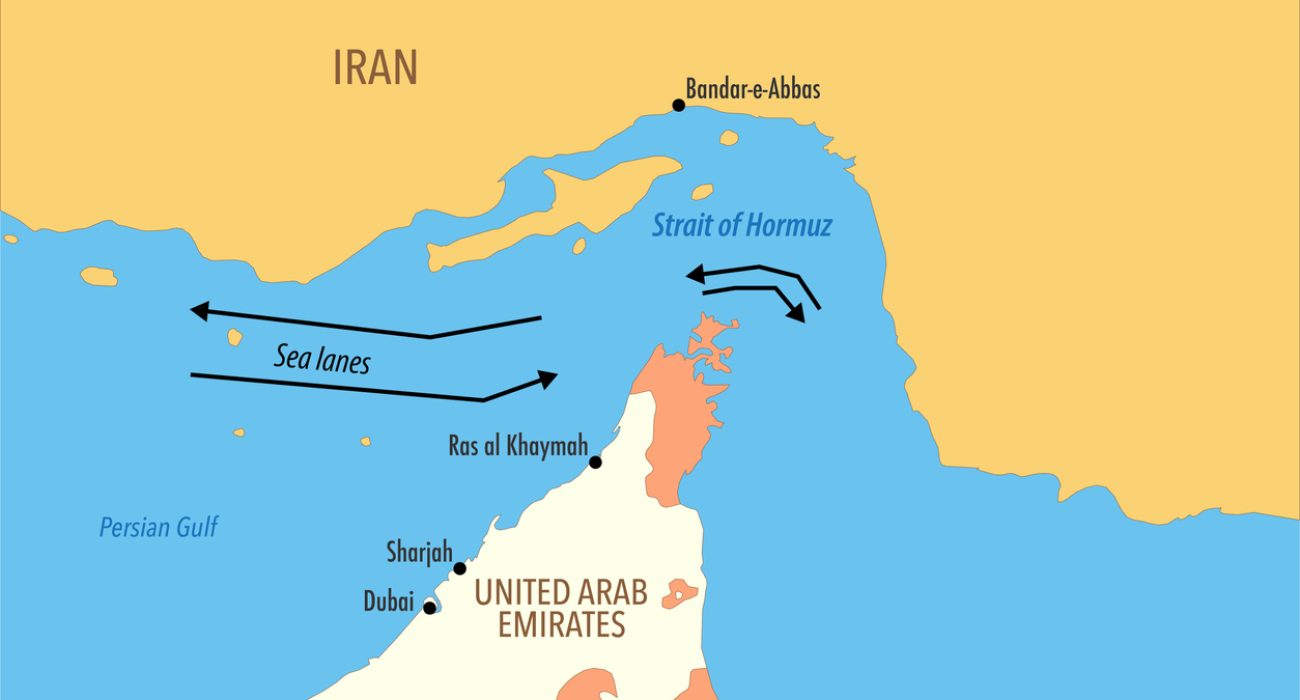
Iran now requires ships to submit crew lists, cargo details, voyage data, and bills of lading before entering the Strait of Hormuz under its protection. The Islamic Revolutionary Guard Corps reviews these submissions before granting clearance. Shipowners say the process varies between vessels, but the direction is clear. Iran is increasing its control over traffic in a critical maritime shipping corridor.
Some vessels face payment demands
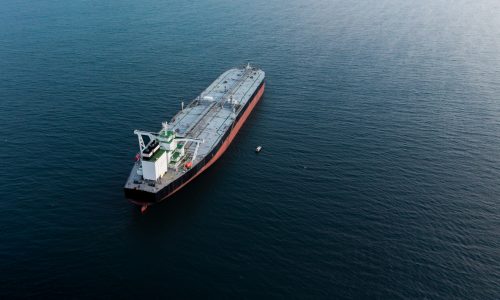
Authorities have also requested payments from certain ships. These demands do not apply to all vessels. Reports indicate that oil tankers, gas carriers, and ships with high value cargo face the highest risk. Intermediaries usually handle the transactions. Terms differ from case to case, which adds uncertainty for operators.
Limited traffic continues through Hormuz
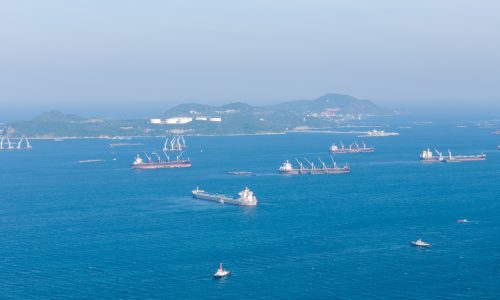
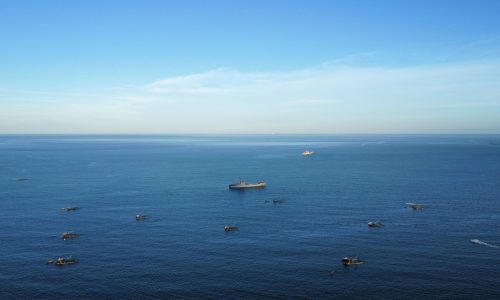
Traffic through the strait remains low. Only a small number of vessels have transited since recent US and Israeli strikes. Many of those ships appear linked to Iran or China. Vessels under Iranian protection tend to sail close to the Iranian coastline. Tehran says traffic has not stopped and that friendly nations can still transit with coordination.
Enforcement actions increase pressure
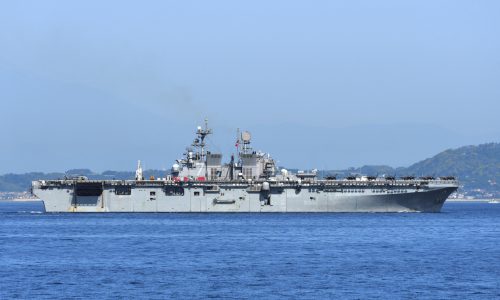
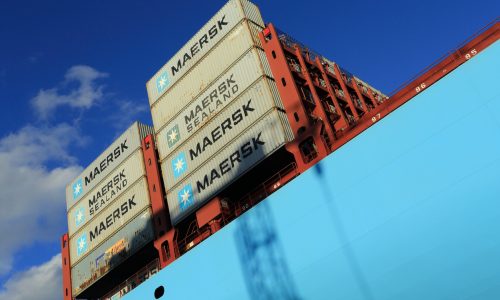
The IRGC recently turned back a container ship that lacked proper clearance. This move highlights stricter enforcement on the water. At the same time, the US continues to push for full reopening of the strait. A proposed 15 point peace plan has eased oil prices, but shipping conditions remain unstable.
Asian energy buyers under strain
Asian importers face the biggest impact. India is dealing with a sharp shortage of liquefied petroleum gas. Only a few Indian LPG carriers have crossed after negotiations with Tehran. India maintains that international law protects free navigation and rejects transit fees. Chinese authorities are also aware that some vessels paid protection fees through agents, though officials question the legal basis. Iran links long term stability in Hormuz to reduced military pressure in the region.