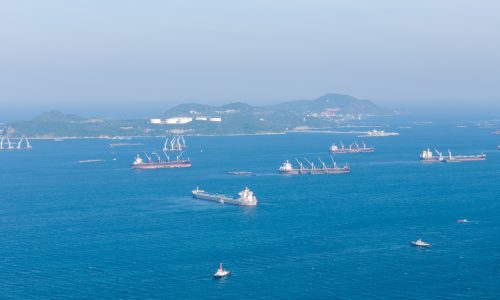
Iran has confirmed that commercial vessels can still pass through the Strait of Hormuz, but it warned that ships linked to countries it considers hostile may face restrictions. Ali Mousavi, Iran’s representative to the International Maritime Organization, outlined this position in comments reported by Chinese state media.
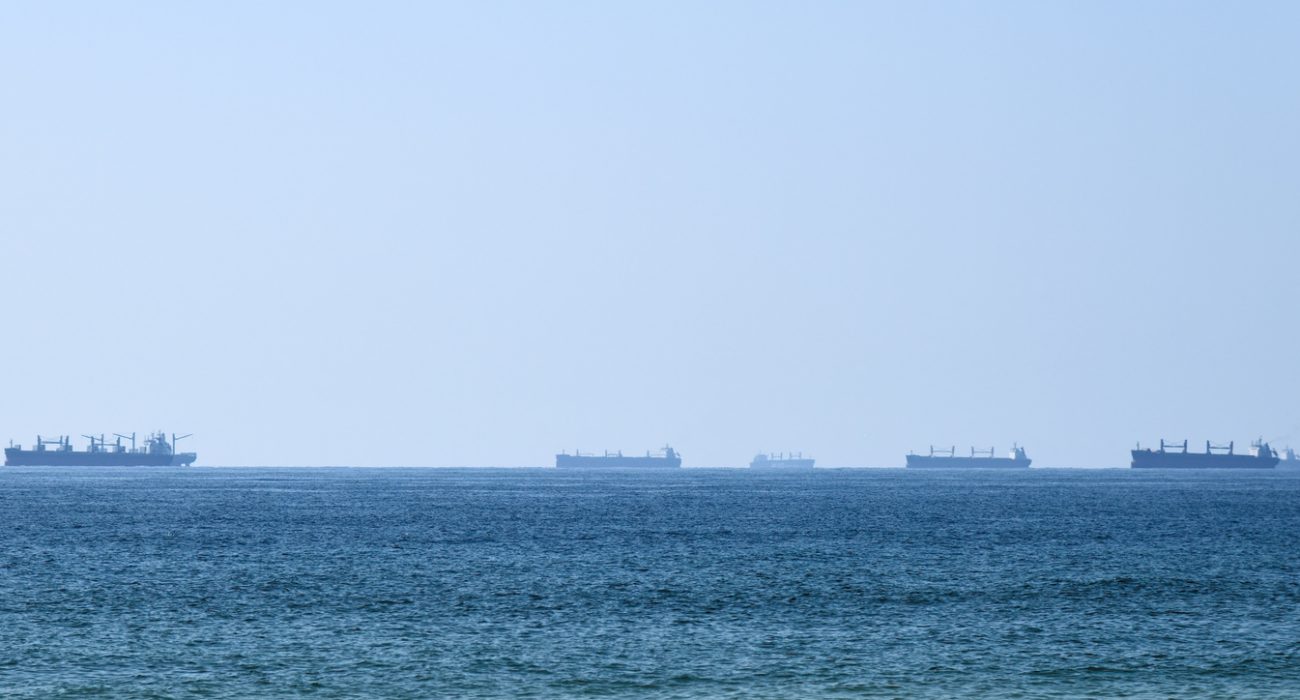
The Strait of Hormuz remains a critical artery for global shipping. It carries about 20 percent of the world’s oil and liquefied natural gas exports. Any disruption in this corridor quickly affects tanker earnings, freight rates, and marine insurance costs.
Conditions for Transit and Maritime Safety
Mousavi said vessels without links to Iran’s adversaries can continue transiting the strait. He stressed that operators may need to coordinate with Iranian authorities to ensure safe passage. He also confirmed that Iran continues to work with international maritime bodies on navigation safety and seafarer protection.
These remarks aim to reassure parts of the shipping market. However, they also introduce a layer of uncertainty for owners and charterers assessing compliance and risk exposure.
Rising Tensions Increase Market Uncertainty
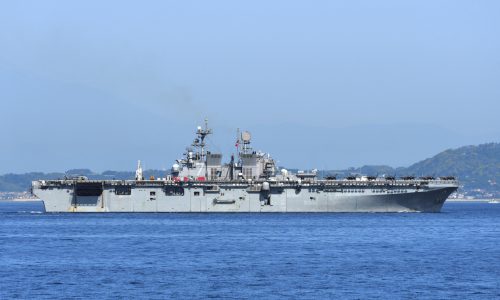
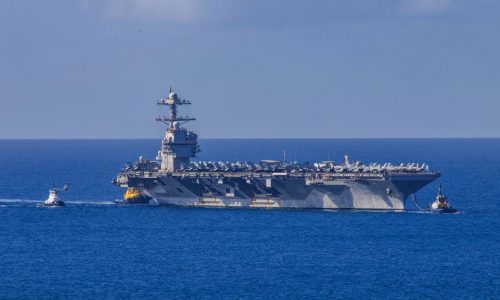
Tensions in the region continue to escalate. U.S. President Donald Trump warned that Washington could target Iranian infrastructure if full access to the strait is not maintained. This threat has added pressure to an already fragile operating environment in the Gulf.
Shipowners now face a more complex risk calculation. The issue is not only access to the waterway but also whether transit remains commercially viable. War risk premiums have increased, and some operators have already avoided the route.
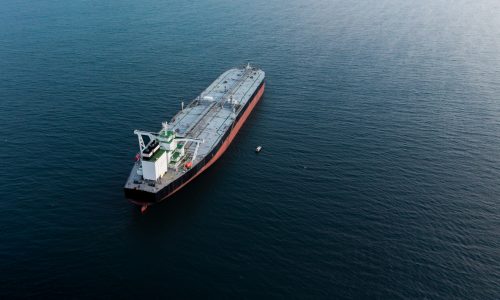
Impact on Tanker and LNG Trade
The broader conflict involving the United States, Israel, and Iran has reduced confidence among shipping participants. Lower traffic through the strait could disrupt crude oil and LNG supply chains. This scenario would have immediate consequences for global energy markets.
Mousavi said Iran supports diplomatic efforts to ease tensions. At the same time, he linked long term stability in the strait to reduced military activity and renewed trust between parties. He also blamed recent actions by the United States and Israel for the current situation.