Iran is drafting legislation to introduce tolls on vessels transiting the Strait of Hormuz. The move could reshape cost structures across global shipping and energy trade. As tensions persist in the region, lawmakers are advancing the proposal to increase control over the key maritime route.
If approved, the measure would apply to ships passing through the narrow waterway. This route handles a large share of global oil and container traffic.
Key shipping route faces rising cost risk
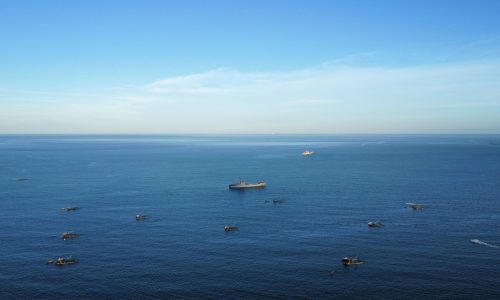
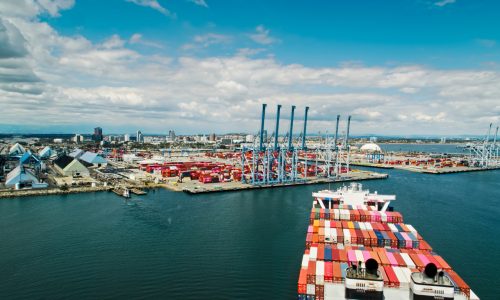
The Strait of Hormuz remains one of the most critical chokepoints in global shipping. Every day, significant volumes of crude oil and liquefied natural gas move through the passage. In addition, container carriers rely on the route for regional services.
As a result, new transit tolls would increase operating costs for shipowners and charterers. In turn, freight rates could rise, especially in tanker markets.
Legal concerns and geopolitical tensions grow
However, the proposal raises serious legal questions. The Strait of Hormuz is widely treated as an international transit route. Therefore, any attempt to impose charges could face resistance from major shipping nations.
At the same time, geopolitical tensions continue to shape the policy environment. Shipping companies already face higher insurance costs, security risks, and route uncertainty across the Middle East.
Shipping markets prepare for possible impact
For the maritime industry, the timing is critical. Operators are already managing cost volatility and disrupted trade flows. If tolls are introduced, companies may adjust routing strategies and vessel deployment.
Moreover, energy markets could feel the effect. Higher transit costs for tankers may influence oil prices and supply chain dynamics.
Industry awaits details on enforcement
So far, key details remain unclear. Authorities have not confirmed how tolls would be calculated or enforced. It is also uncertain which vessels would fall under the new rules.
For now, shipowners and operators continue to monitor developments. Any change to access conditions in the Strait of Hormuz would have immediate consequences for global shipping and maritime trade.