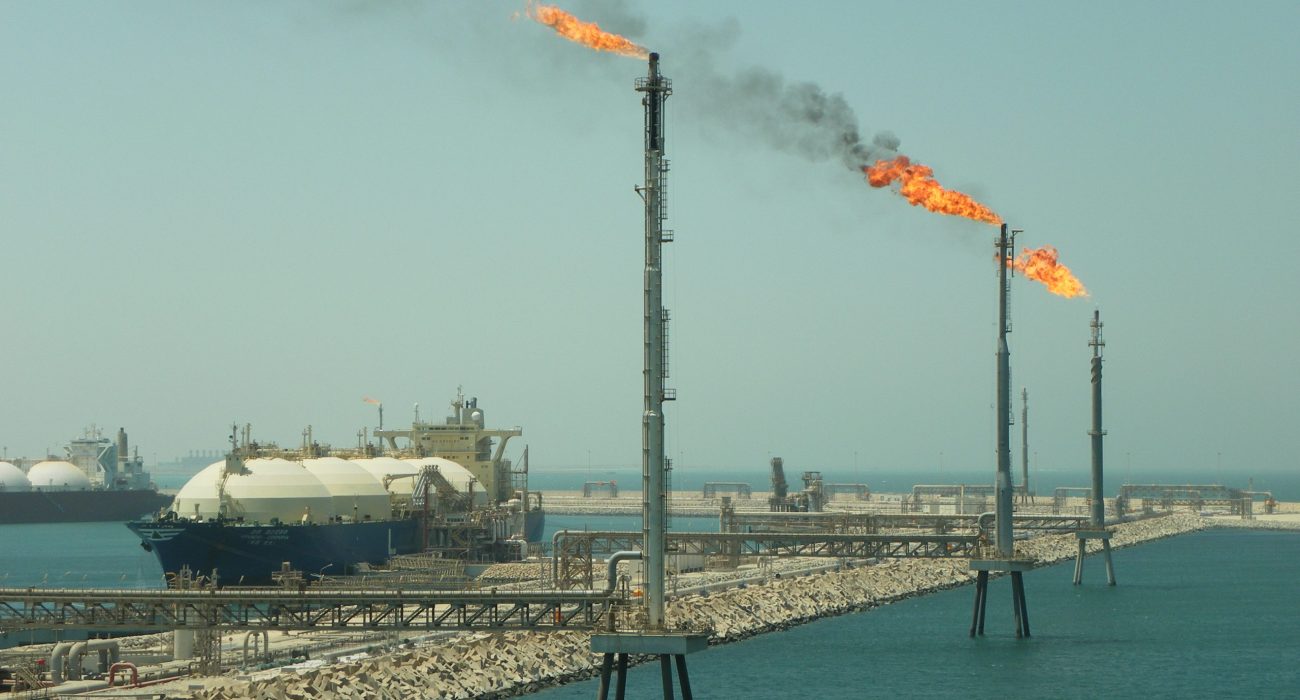
Iranian strikes on Qatar’s key gas infrastructure have removed roughly 17 percent of the country’s liquefied natural gas export capacity, creating a major supply shock for global energy markets and LNG shipping.
The damage affects critical facilities at Ras Laffan, the world’s largest LNG hub. In total, about 12.8 million tonnes per year of LNG output has been taken offline. Repairs are expected to take three to five years, extending the disruption well beyond a short term event.
Supply loss hits global LNG trade
Qatar is one of the world’s leading LNG exporters, with Europe and Asia heavily reliant on its cargoes. The sudden loss of 17 percent of capacity is tightening an already constrained market.
As a result, buyers are moving quickly to secure alternative supply. However, available volumes are limited. This is pushing prices higher and increasing competition for remaining cargoes.
Shipping patterns shift under pressure
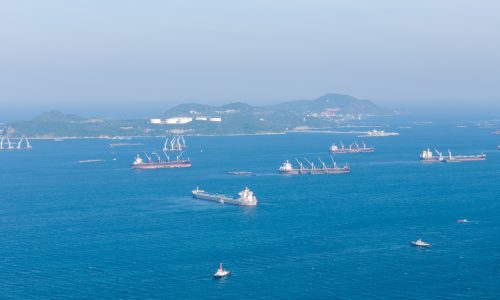
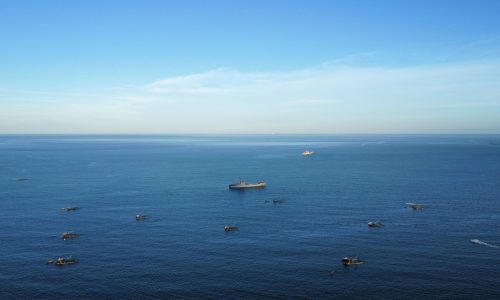
The disruption is also reshaping LNG shipping flows. Fewer cargoes from Qatar will reduce loadings in the Gulf. At the same time, demand is shifting toward suppliers such as the United States and Australia.
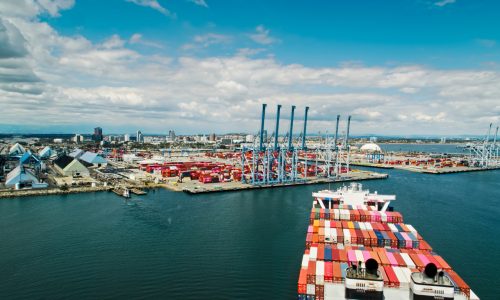
These replacement routes are significantly longer. Therefore, tonne mile demand is likely to increase even as total volumes decline. This shift may support LNG carrier utilisation, but it also introduces volatility into charter markets.
Infrastructure loss deepens impact
The outage is expected to result in substantial annual revenue losses. In addition, export streams including condensate, LPG, and helium are also affected.
The damaged infrastructure represents tens of billions of dollars in investment. At the same time, expansion of the North Field project is now delayed, adding further uncertainty to future supply.
Conflict expands into energy infrastructure
The strikes on Qatar follow earlier attacks on Iranian energy facilities, marking a clear escalation in the regional conflict. Energy infrastructure is now a direct target.
This shift increases risk across maritime energy routes, especially in the Strait of Hormuz. For shipping markets, the event signals a move from temporary disruption to prolonged structural instability.