Iraq has declared force majeure on several foreign operated oilfields after disruption to shipping routes through the Strait of Hormuz, raising concern across global tanker markets and energy supply chains.
The move follows escalating tensions in the Gulf that have constrained vessel movements through one of the world’s most critical oil transit corridors. As a result, Iraq has been unable to maintain normal export operations from affected fields.
Export Constraints Disrupt Crude Flows
Foreign companies operating key oilfields in Iraq have been directly impacted. The disruption has limited the ability to load and ship crude, forcing operators to suspend contractual obligations.
Force majeure allows producers to halt deliveries without penalties under existing agreements. However, it also signals severe operational disruption and highlights the scale of the shipping bottleneck.
Iraq relies heavily on seaborne exports. Any restriction in tanker access creates immediate pressure on production, storage, and revenue flows.
Strait of Hormuz Pressure Builds
The Strait of Hormuz remains a vital artery for global oil shipping. A significant share of the world’s crude and refined products moves through this narrow passage each day.
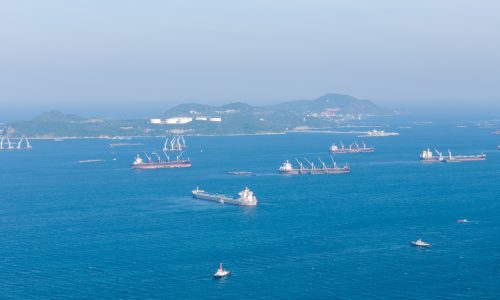
Recent instability has reduced tanker traffic and increased risk for shipowners and charterers. Higher insurance costs and security concerns are already affecting vessel deployment decisions.
If the disruption continues, global oil supply chains could tighten further. This would likely push freight rates higher and increase volatility across tanker markets.
Impact on Global Shipping and Energy Markets
The declaration of force majeure by Iraq adds to growing uncertainty in the energy sector. Traders and shipowners are closely monitoring vessel movements in the Gulf.
Reduced export volumes from Iraq could shift tanker demand patterns. Alternative routes and loading regions may see increased activity as buyers seek replacement cargoes.
For the maritime industry, the situation underlines the link between geopolitical risk and shipping flows. Any prolonged disruption in Hormuz will continue to shape tanker availability, voyage planning, and freight pricing.