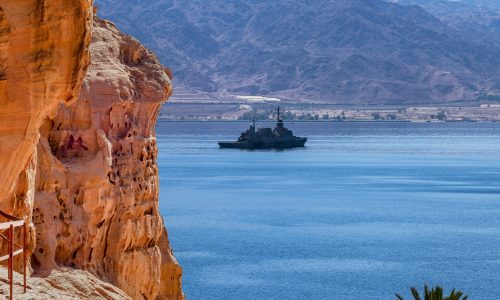
Italy’s government has approved draft legislation that would expand naval authority to intercept and block emigrant boats approaching its territorial waters. The move marks a significant shift in Italy’s maritime migration policy and places naval enforcement at the center of border control strategy in the Central Mediterranean.
Government approves tougher maritime controls
The bill, endorsed by Prime Minister Giorgia Meloni’s cabinet, authorizes Italian authorities to restrict access to national waters for vessels involved in irregular migration. Officials could impose entry bans lasting up to 30 days. In situations defined as exceptional migratory pressure or security risk, authorities could extend restrictions to as long as six months.
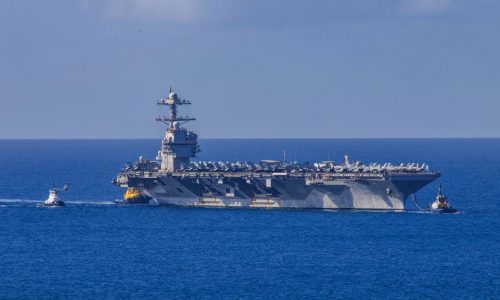
The proposal strengthens the operational role of the Italian navy alongside coast guard and border forces. It aims to create a more coordinated maritime response to migrant crossings, which remain a persistent challenge along southern European shipping routes. The legislation must still pass parliament before it becomes law, but cabinet approval signals firm political backing.
Financial penalties and vessel seizure
The draft law introduces strict sanctions for ships that violate blockade orders. Vessel operators could face fines reaching 50,000 euros. Authorities may confiscate boats involved in repeated breaches. The government presents these penalties as a deterrent against unauthorized maritime entry.
The framework also outlines procedures for handling intercepted emigrants. In certain cases, Italy could transfer individuals to third countries that have bilateral agreements with Rome. This provision connects to earlier offshore processing initiatives that encountered legal and administrative delays.
Impact on Mediterranean maritime operations
Italian officials argue that stronger naval powers will help manage migration flows and reinforce maritime border security. The initiative aligns with wider European efforts to tighten oversight of irregular sea crossings and stabilize migration management.
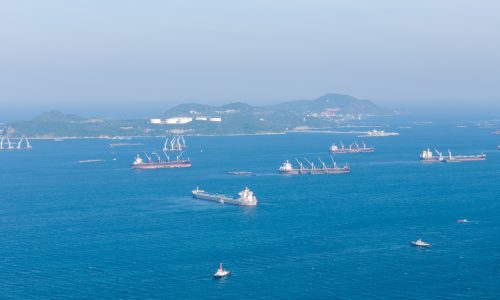
Humanitarian groups caution that expanded interdiction authority could complicate rescue responsibilities under international maritime law. For commercial shipping interests, the legislation underscores how migration enforcement continues to influence naval activity and regulatory conditions in one of the world’s most active maritime corridors.