The United States government is reviewing a possible waiver of the Jones Act as officials look for ways to contain rapidly rising fuel prices and strengthen domestic fuel distribution.
Energy policymakers are studying whether temporarily easing cabotage requirements could help move petroleum products more efficiently between U.S. ports. The Jones Act requires cargo transported between domestic ports to travel on vessels that are built in the United States, owned by American companies and crewed by U.S. mariners.
Officials believe that relaxing these requirements for a limited period could expand vessel availability for coastal fuel shipments.
Policy debate focuses on domestic fuel transport
The proposal is being considered as fuel costs continue to climb across the country. Government officials are examining several options to increase supply and reduce pressure on energy markets.
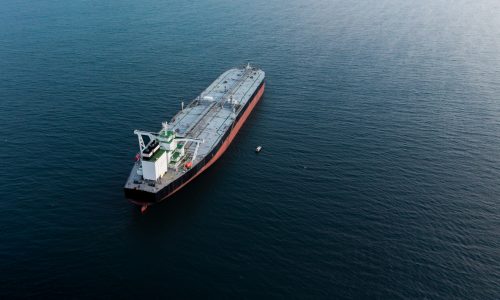
One potential step would allow foreign flagged tankers to transport gasoline, diesel and other refined petroleum products between U.S. ports. Supporters argue that this could improve distribution from major refining centers to regions facing shortages.
Energy analysts say coastal tanker shipping plays an important role in balancing fuel supply across the United States.
Maritime industry warns against weakening Jones Act
However, the idea of a Jones Act waiver has triggered strong reactions across the maritime sector.
U.S. shipowners, maritime unions and shipbuilding groups argue that the law protects national maritime capability and supports the domestic fleet. They warn that repeated waivers could weaken the long term stability of the American maritime industry.
Industry representatives also stress that the Jones Act helps maintain a skilled workforce of U.S. mariners and supports shipyards that build vessels for domestic trade.
Coastal tanker shipping critical for energy logistics
Domestic tanker and barge traffic moves large volumes of fuel between refining hubs and regional markets. These shipments help stabilize supply in areas that lack sufficient local refining capacity.
Changes to cabotage rules could therefore affect freight rates, vessel demand and overall fuel logistics across the country.
Officials have not yet made a final decision on a waiver. However, the review highlights the close link between maritime transport policy and national energy security as the government seeks ways to manage rising fuel prices.